

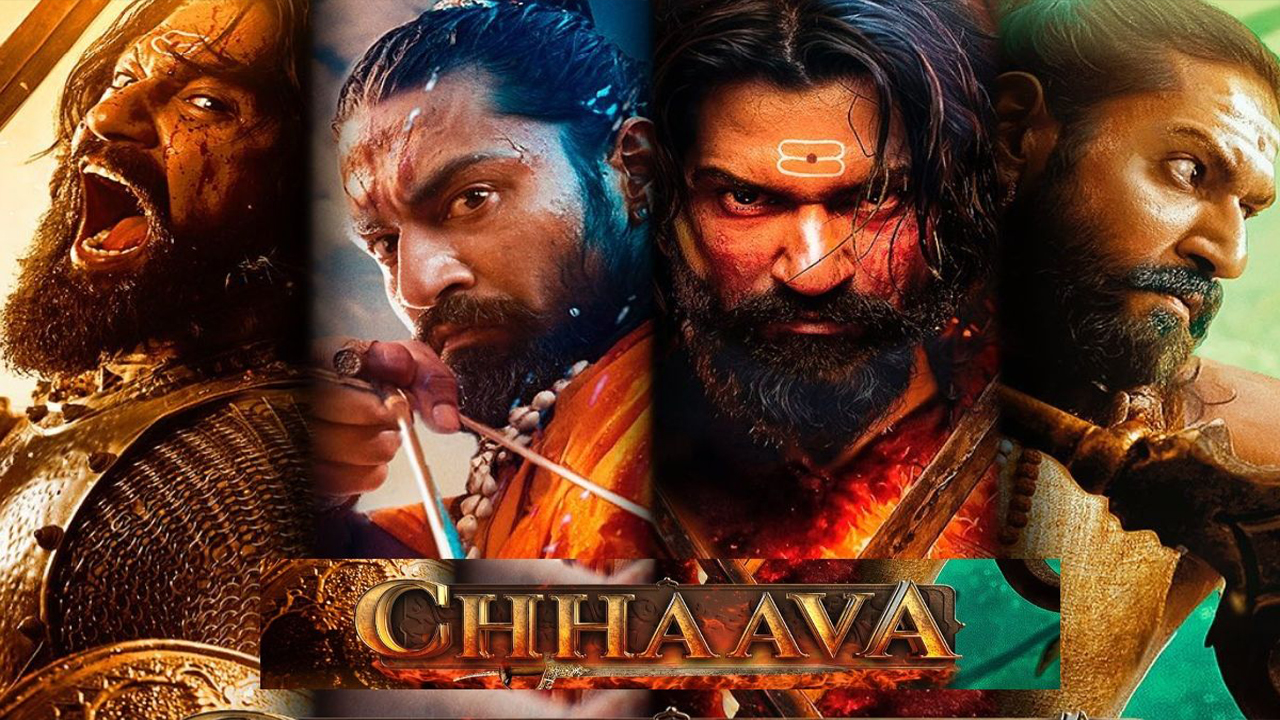
The Indian box office is currently witnessing a dramatic contrast, a tale of two extremes. On one side, the historical epic “Chhaava,” a grand spectacle chronicling a pivotal chapter in Maratha history, continues its relentless march towards the coveted 500 crore club, shattering records and captivating audiences nationwide. On the other, smaller, independent films like “Crazxy” and “Superboys of Malegaon” are facing a starkly different reality, struggling with near-empty theatres and a disheartening lack of audience engagement.
Chhaava’s Unstoppable Reign:
“Chhaava,” directed by a celebrated filmmaker known for his meticulous attention to detail and grand storytelling, has become a cinematic phenomenon. The film, starring a powerhouse ensemble cast, has resonated deeply with audiences, particularly those with an affinity for historical dramas. Its success can be attributed to several factors:
- Epic Scale and Visual Spectacle: The film boasts breathtaking visuals, lavish sets, and meticulously choreographed battle sequences, transporting viewers to a bygone era. The sheer scale of the production has created a compelling cinematic experience, drawing audiences to theatres for a grand spectacle.
- Powerful Narrative and Emotional Resonance: “Chhaava” delves into a significant historical event, weaving a compelling narrative that blends historical accuracy with emotional depth. The film’s portrayal of courage, sacrifice, and patriotism has struck a chord with viewers, fostering a sense of national pride and historical awareness.
- Strong Word-of-Mouth and Critical Acclaim: The film has garnered widespread critical acclaim for its direction, performances, and technical brilliance. Positive word-of-mouth has played a crucial role in driving repeat viewings and attracting new audiences.
- Strategic Marketing and Release: The film’s marketing campaign was strategically designed to generate hype and anticipation, building a strong buzz before its release. A wide release across multiple languages and formats has further contributed to its widespread success.
The film’s steady performance across all regions of India underscores its universal appeal. Trade analysts predict that “Chhaava” is poised to achieve the 500 crore milestone, solidifying its position as one of the highest-grossing Indian films of all time. This success highlights the enduring popularity of historical epics and the audience’s appetite for well-crafted, large-scale cinematic experiences.
The Struggle of Smaller Films:
In stark contrast to “Chhaava’s” roaring success, “Crazxy” and “Superboys of Malegaon” are facing a bleak scenario. These films, produced with limited budgets and featuring relatively unknown casts, have struggled to attract audiences, resulting in near-empty theatres.
- Limited Marketing and Distribution: Smaller films often lack the financial resources for extensive marketing campaigns and wide distribution. This limited visibility makes it challenging to reach target audiences and generate awareness.
- Competition from Big-Budget Films: The dominance of big-budget films like “Chhaava” creates a challenging environment for smaller films. With limited screen space and audience attention, smaller films often struggle to compete.
- Lack of Star Power and Mainstream Appeal: Films featuring established stars and mainstream narratives tend to attract larger audiences. Smaller films, often focusing on niche themes or featuring unknown actors, may struggle to gain traction with a wider audience.
- Changing Audience Preferences: The rise of streaming platforms and the availability of diverse content have changed audience preferences. Viewers are increasingly selective about their theatrical choices, favoring big-budget spectacles and star-driven films.
The plight of “Crazxy” and “Superboys of Malegaon” highlights the challenges faced by independent filmmakers in the Indian film industry. While these films may offer unique perspectives and creative storytelling, they often struggle to find an audience in a market dominated by big-budget productions.
The Dichotomy of the Indian Box Office:
The current scenario underscores the stark dichotomy of the Indian box office. While big-budget films with established stars and grand narratives continue to dominate, smaller, independent films struggle to survive. This disparity raises questions about the future of independent filmmaking and the need for greater support for smaller productions.
While “Chhaava” proves the continuing draw of the large scale historical drama, the empty theatres for the smaller films demonstrates the difficulty of getting smaller budgeted movies seen. There needs to be a balance that allows all types of film to be seen. It is a sign of a healthy movie industry when all levels of movie production are able to reach an audience.