

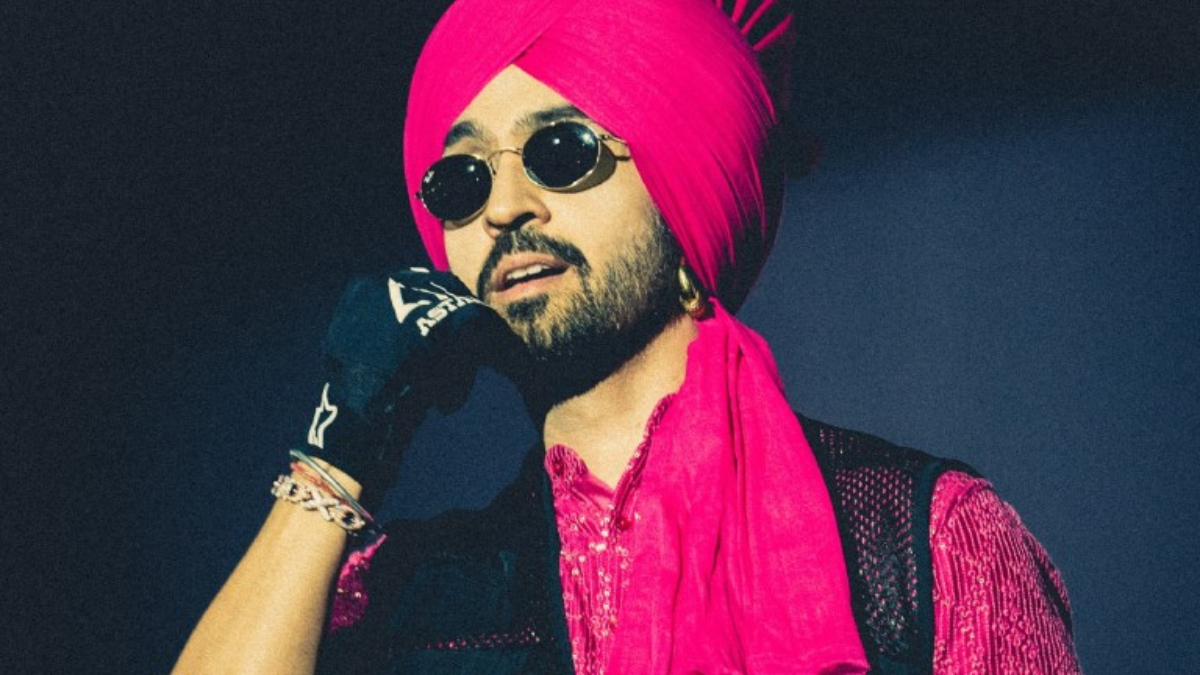
New Delhi, May 16, 2026: The global “Dil-Luminati” tour by Punjabi superstar Diljit Dosanjh, which has broken records and sold out stadiums across North America and Europe, is currently facing a significant wave of criticism. What began as a celebration of Punjabi culture on the world stage has shifted into a heated debate regarding labor practices in the entertainment industry.
Recent reports and social media testimonies from female dancers have highlighted allegations of “unfair treatment,” “abysmal pay,” and an environment where performers “didn’t feel safe.”
The Catalyst: Dancers Speak Out
The controversy gained significant momentum in mid-2024 and has continued to evolve into 2026 as the tour expanded. While the tour was initially praised for its scale, background dancers began coming forward to reveal the “hidden cost” of the production.
1. The “Exposure” Trap
British-Indian dancer Shilpa Sajan became a prominent voice in this movement after she publicly declined to join the Europe leg of the tour. Sajan revealed that she was offered a flat fee of approximately £80 (around ₹8,700) per show.
For a production generating millions in ticket sales—with some resale prices reportedly hitting astronomical figures—Sajan argued that this amount was insulting.
- Self-Funded Costs: Dancers were expected to cover their own travel and accommodation.
- The Argument: Management allegedly framed the opportunity as a “once-in-a-lifetime experience,” essentially asking professionals to work for “exposure” rather than a living wage.
2. Safety and Professionalism Concerns
Beyond the financial aspect, several dancers expressed concerns over their physical and mental well-being. Reports surfaced of:
- Rehearsal Strain: Rehearsals often stretched until 2:00 AM with little notice or regard for the performers’ schedules.
- Information Gaps: Dancers claimed they were “messed around” by management, receiving conflicting information about choreography and logistics.
- The “Safety” Factor: Some performers stated they “didn’t feel safe” due to the lack of clear professional boundaries and the high-pressure environment created by the management team.
Body Positivity and Bias Allegations
In a more recent development (May 2026), a group of female dancers took to social media to highlight a different form of discrimination: size bias.
According to a viral video from a group of dance artists, the costume department for the tour allegedly did not carry sizes larger than “Medium.” This effectively excluded many talented dancers who did not fit a specific physical mold. One dancer noted:
“There is a wrong misconception that big-sized people can’t move, let alone dance. We were essentially disqualified because of a wardrobe choice, not our skill.”
The group also questioned why management requested their Instagram handles during auditions, suggesting that “follower counts” were being prioritized over technical ability.
The Management’s Defense
Diljit Dosanjh’s manager, Sonali Singh, and the official choreography team have consistently denied claims of exploitation. Their defense rests on three main pillars:
| Point of Defense | Management’s Stance |
| Misinformation | Claims that vocal critics like Rajat Batta and Manpreet Toor were never actually part of the tour team. |
| Voluntary Participation | Many Bhangra teams released joint statements saying they performed out of “love for the culture” and felt “enveloped in respect.” |
| Official Channels | Management insists that all official tour members were treated professionally and that outside voices are “spreading false narratives.” |
The Industry Impact: A “Glass Ceiling” or a “Floor”?
While Diljit Dosanjh is celebrated for “breaking glass ceilings” for South Asian artists, this controversy has sparked a necessary conversation about the “floor”—the foundational workers (dancers, tech crew, and local artists) who make these massive shows possible.
The “Culture” vs. “Commerce” Debate
The divide in the dance community is clear:
- The Pro-Diljit Side: Argues that the visibility provided by performing with a global icon is a “priceless” career boost and a service to the Punjabi community.
- The Labor Rights Side: Argues that “culture” should not be used as an excuse to bypass labor laws or fair pay. As one dancer put it, “Exposure doesn’t pay the rent.”
Conclusion
As the “Dil-Luminati” tour continues to move across continents, the shadow of these allegations remains. For Diljit Dosanjh, an artist known for his humility and connection to his roots, the disconnect between his public persona and the reported experiences of his stage crew is a growing PR challenge.
The takeaway for the industry is clear: the era where background performers remain silent in exchange for a “big break” is ending. Dancers are demanding that their art be treated not just as a passion, but as a profession that deserves safety, respect, and a fair share of the profit.