
 has intensified its probe into the controversial song ‘Sarke Chunar Teri Sarke’)
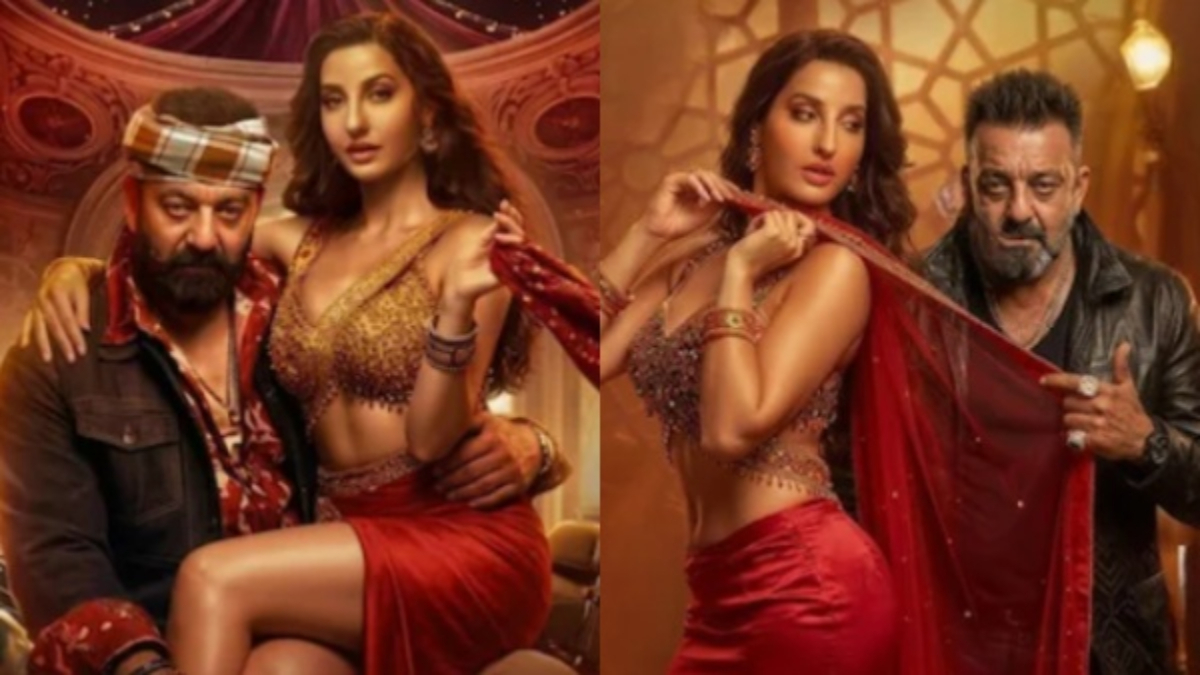
New Delhi, May 7, 2026: The National Commission for Women (NCW) has intensified its probe into the controversial song ‘Sarke Chunar Teri Sarke’ from the upcoming film KD: The Devil, summoning actor and dancer Nora Fatehi for a personal hearing. The summons marks a critical juncture in a controversy that has reached the halls of Parliament and sparked a national debate over the boundaries of creativity and the representation of women in digital media.
The Latest Update: Nora Fatehi’s Personal Appearance
After previously failing to appear due to professional commitments abroad, Nora Fatehi was granted a final opportunity to present her side before the Commission. The NCW, led by Chairperson Vijaya Rahatkar, scheduled the hearing for Thursday, May 7, 2026, at 11:30 AM.
While Fatehi’s legal counsel had represented her in previous sessions, the Commission maintained that her personal presence was mandatory to address the gravity of the allegations. The hearing aims to conclude the proceedings following the suo motu cognisance taken by the NCW regarding the song’s “sexually suggestive” and “objectionable” content.
Background: Why the Song Sparked Outrage
The controversy began shortly after the release of ‘Sarke Chunar,’ a track featuring Nora Fatehi alongside veteran actor Sanjay Dutt. The song quickly drew intense criticism from audiences, social media users, and industry peers. Singer Armaan Malik famously termed the lyrics a “new low,” and multiple legal complaints were filed alleging that the song promoted obscenity and objectified women.
The NCW’s intervention was based on reports that the song’s lyrics and visuals prima facie violated provisions under:
- The Bharatiya Nyaya Sanhita (BNS)
- The IT Act
- The Protection of Children from Sexual Offences (POCSO) Act
Following the initial backlash and the government’s intervention, the song was removed from YouTube and other official platforms. Union Minister for Information and Broadcasting, Ashwini Vaishnaw, confirmed the ban in the Lok Sabha, asserting that while freedom of speech is a fundamental right, it must operate within “reasonable limits” and cannot compromise the dignity of women.
Nora Fatehi’s Defense: “Misled and Misinformed”
Prior to her scheduled hearing, Nora Fatehi broke her silence on social media, distancing herself from the final version of the song. In a detailed clarification, Fatehi claimed she was “misled” by the filmmakers regarding the Hindi lyrics.
Key points from her defense include:
- Language Barrier: Fatehi stated she filmed the song three years ago in Kannada. Relying on the director’s translation, she was led to believe the song was a respectful tribute or remake of iconic tracks like ‘Nayak Nahi Khalnayak Hoon Main’.
- Unapproved Content: She alleged that the Hindi version was released without her knowledge or approval. She also raised concerns about the use of “unflattering” AI-generated images of her and Sanjay Dutt in the lyrical video.
- Disassociation: Fatehi claimed that as soon as she heard the Hindi version at the launch event, she realized the lyrics were inappropriate and immediately told the director it would face backlash. She subsequently refused to promote the film on her social platforms.
Accountability: Sanjay Dutt and the Film’s Makers
The NCW has already conducted hearings with other key figures involved in the production. Sanjay Dutt, who also features in the song, appeared before the Commission earlier. He submitted a written apology, expressing regret for any unintended harm caused.
As a gesture of accountability, Dutt pledged to sponsor the education of 50 tribal girl children and assured the Commission that he would implement stricter legal due diligence for his future projects to ensure a dignified portrayal of women and children.
Similarly, the film’s director, Prem, lyricist Raqueeb Alam, and representatives from KVN Productions have also issued formal apologies. They admitted that the content had a negative impact on society and committed to conducting women’s empowerment initiatives over the next three months as part of their compliance report to the NCW.
The Broader Impact: Creativity vs. Responsibility
The ‘Sarke Chunar’ controversy has reopened the debate regarding the lack of a formal regulatory body for digital-first content. While the Central Board of Film Certification (CBFC) regulates theatrical releases, it clarified that digital songs fall outside its current jurisdiction unless they are part of the certified film itself.
NCW Chairperson Vijaya Rahatkar has remained firm in her stance, stating, “The dignity of women cannot be compromised in the name of creativity.” The Commission’s focus on the “negative impact” of such content highlights a growing push for creators to be more socially responsible in the age of viral digital media.
What Happens Next?
As Nora Fatehi appears before the Commission, the focus will be on whether the NCW accepts her “misled” defense or holds her equally accountable as the face of the song. The outcome of this hearing could set a significant precedent for how actors approach their contracts regarding “approvals” and “final cuts” of their work.
For the film KD: The Devil, the controversy has been a double-edged sword—bringing the project into the national spotlight while simultaneously leading to the ban of one of its major promotional assets. The industry now watches closely to see how the NCW concludes its proceedings and what permanent guidelines might emerge for the portrayal of women in film music.