
.)
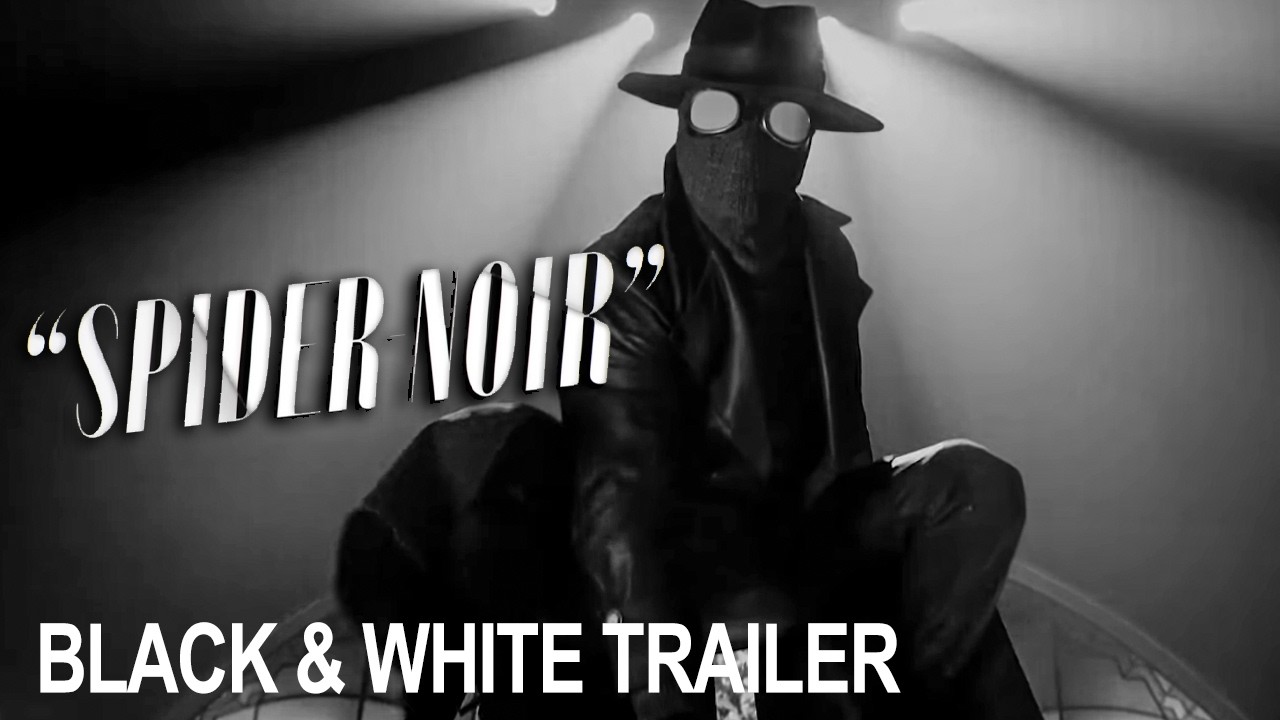
New Delhi, February 13, 2026: The superhero landscape has long been dominated by the sprawling, interconnected machinery of the Marvel Cinematic Universe (MCU). However, as “superhero fatigue” becomes a common talking point, a new contender has emerged to prove that there is still room for bold, singular, and experimental storytelling. The recent unveiling of the live-action Spider-Noir series, starring Nicolas Cage, isn’t just a win for fans of the “Spider-Verse”—it is a powerful justification for the existence of Sony’s Spider-Man Universe (SSU).
A Departure from the “House Style”
For years, critics have argued that the MCU’s “house style”—characterized by high-gloss visuals, quippy dialogue, and a mandatory connection to twenty other films—has become a creative straitjacket. This is where Sony’s independence becomes its greatest asset.
Spider-Noir, set to premiere on May 27, 2026, on Prime Video and MGM+, unapologetically breaks the mold. Set in the gritty, rain-slicked streets of 1930s New York, the series trades the bright spandex of modern heroes for a monochrome trench coat and a fedora. By leaning into a hard-boiled, detective-noir aesthetic, Sony is doing what the MCU rarely can: taking a massive IP and dropping it into a completely different genre.
The Power of the “Elseworlds” Approach
One of the biggest criticisms of Sony’s previous live-action efforts, such as Morbius and Madame Web, was their perceived lack of direction. However, Spider-Noir signals a pivot toward high-concept, character-driven storytelling.
The series follows an aging, down-on-his-luck private investigator named Ben Reilly (played by Cage), a significant departure from the youthful optimism of Peter Parker. This isn’t just another origin story; it’s a psychological study of a man grappling with his past as a hero while navigating a world of Prohibition, organized crime, and moral ambiguity.
By utilizing characters like Ben Reilly, Sony can tell “Elseworlds”-style stories that don’t need to worry about disrupting the timeline of Tom Holland’s Spider-Man. This freedom allows for:
- Mature Themes: The series explores trauma, disillusionment, and the “Chinatown” moment of its protagonist.
- Visual Innovation: The show will be available in “Authentic Black & White,” a bold stylistic choice that honors its pulp-fiction roots.
- Unique Interpretations: Familiar faces like Sandman (Jack Huston) and Silvermane (Brendan Gleeson) are reimagined through a Depression-era lens, offering fresh takes on classic villains.
The “Nic Cage” Factor
The casting of Nicolas Cage is perhaps the ultimate proof of why the SSU is necessary. Cage, who voiced the character in the animated Spider-Man: Into the Spider-Verse, brings a unique, “larger-than-life” energy that fits the noir genre perfectly. Describing his performance as “70% Humphrey Bogart and 30% Bugs Bunny,” Cage provides a level of eccentric charisma that thrives in a standalone, stylized universe.
A Brighter Future for the Web-Slinger
While Sony’s journey has had its share of stumbles, Spider-Noir suggests that the studio has finally found its rhythm. By focusing on creator-driven projects—the series is executive produced by the Spider-Verse duo Phil Lord and Christopher Miller and showrun by Steve Lightfoot (The Punisher)—Sony is proving that they are the only ones currently willing to “weird up” the Marvel brand.
In a world where every superhero movie feels like it’s leading to a “Secret War,” Spider-Noir is a reminder that sometimes, the best way to move forward is to take a step back into the shadows. If this is the future of Sony’s Spider-Man Universe, then the web is only getting more interesting.