

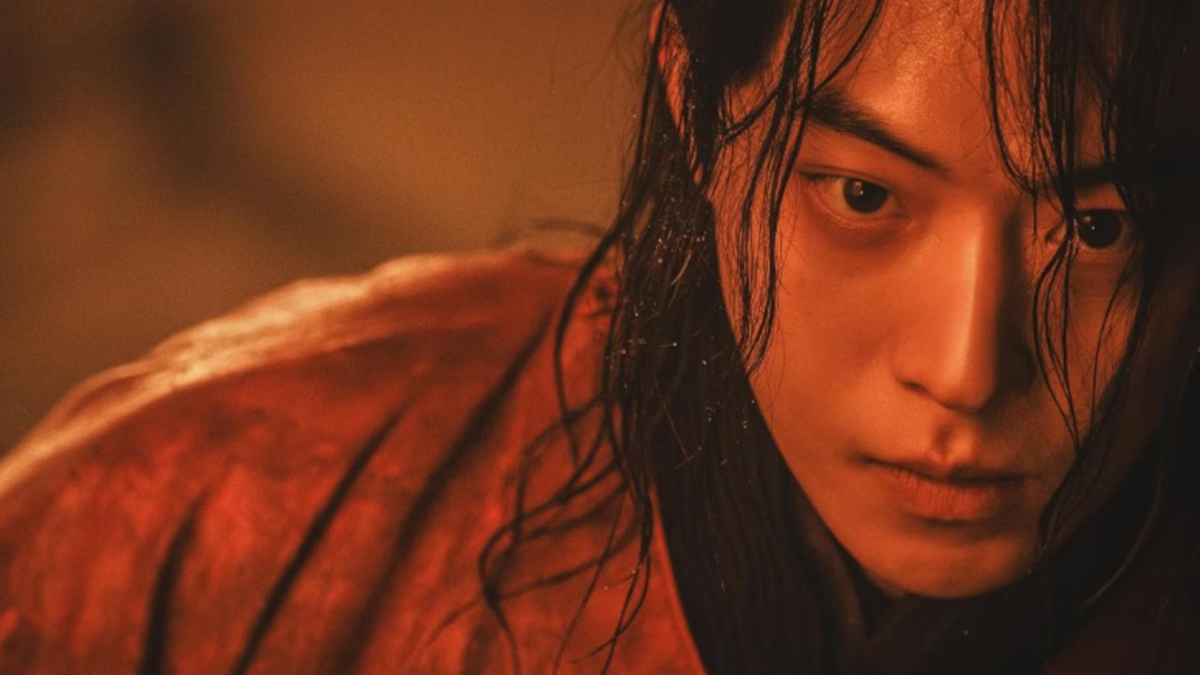
New Delhi, July 20, 2026: When a major star returns to the screen after a long hiatus, expectations naturally reach a fever pitch. For Nam Joo-hyuk, Netflix’s new period supernatural thriller The East Palace marks his official post-military comeback. The eight-episode series sets out to blend dark Joseon-era political drama with high-stakes occult folklore, positioning itself as a visual feast filled with cursed royal grounds, restless spirits, and intricate magic. But while Nam’s performance confirms he hasn’t lost an ounce of his screen presence, the series ultimately leaves viewers feeling that his talent was placed inside a story far too fractured to let him truly shine.
A Stellar Cast Stepping Into the Shadows
The premise of The East Palace holds incredible potential. Set against the backdrop of a haunted royal court, the plot kicks off when a string of mysterious deaths claims the lives of the royal princes. Desperate to protect his remaining bloodline and hide the palace’s dark secrets, the King—played with cold, calculated brilliance by veteran actor Cho Seung-woo—secretly calls upon two unlikely outsiders.
Enter Gu-cheon (Nam Joo-hyuk), an irreverent, sarcastic spirit slayer who holds the rare ability to cross into Gwi, the netherworld of restless ghosts. Joining him is Saeng-gang (Roh Yoon-seo), a watchful court maid cursed with the ability to hear the dead.
From the moment Nam Joo-hyuk walks onto the screen, his growth as an actor is obvious. Moving away from the soft-spoken, boyish charm of his earlier roles in hit dramas like Twenty-Five Twenty-One, Nam plays Gu-cheon with a grounded, weary restraint. He turns what could have been a generic, sword-wielding fantasy hero into a tired survivor bearing the emotional weight of past trauma. His physical commitment to the show’s intense action choreography is impressive, particularly in scenes where he battles invisible spirits across shifting dimensions.
Matching his energy is Roh Yoon-seo, whose portrayal of Saeng-gang gives the series its few moments of genuine warmth. Rather than forcing an unnecessary, heavy romance, the dynamic between Gu-cheon and Saeng-gang leans into a protective, brother-sister partnership fueled by mutual isolation and quiet trust. When you throw Cho Seung-woo’s formidable, morally ambiguous King into the mix, the primary cast delivers everything required to pull off an epic story.
When Worldbuilding Overtakes the Human Story
Where The East Palace stumbles is not in its acting or production value, but in its narrative pacing. The screenwriters clearly had big ambitions, filling the universe with rich Korean mythology, ancient curses, and complex occult rules. However, the show becomes so obsessed with throwing new twists and spirits at the audience every episode that it forgets to give its characters space to breathe.
In its rush to unravel the next royal conspiracy, the script keeps Gu-cheon at a distance. Instead of exploring his grief, his fear, or his internal struggles as a man trapped between the living and the dead, the story treats him more like a tour guide leading us from one supernatural puzzle to the next.
As the second half of the eight-episode run unfolds, the rules of the spirit world begin to bend and change whenever the plot requires a quick resolution. Shocks and betrayals replace genuine character growth. Instead of building toward an emotional climax where the stakes feel personal, the finale relies on heavy-handed explanations and rushed lore drops, leaving the ending feeling far less impactful than the promising opening episodes.
Visual Spectacle over Emotional Depth
Even when the writing falters, director Choi Jung-kyu ensures the show is a visual triumph. The contrast between the cold, orderly beauty of the Joseon palace and the fiery, desolate landscape of the spirit realm is stunning. Shadowy corridorslit by flickering lanterns, blood-stained palace ponds, and hauntingly designed supernatural creatures give the series a distinctive dark-fantasy aesthetic.
Yet, extraordinary visual effects and beautiful color grading can only carry a show so far. The best supernatural dramas—like Kingdom or The Guest—succeed because the monster stories serve as a mirror for human grief, greed, and love. The East Palace builds a magnificent, eerie world, but forgets to give us a reason to mourn the people caught inside it.
The Verdict
Ultimately, The East Palace remains an entertaining, binge-worthy weekend watch for fans of Korean folklore and dark fantasy. It proves beyond a shadow of a doubt that Nam Joo-hyuk is back and ready to take on complex, physically demanding leading roles. But as the credits roll, one overwhelming thought remains: an actor delivering a comeback performance this focused and mature deserved a story with a much stronger heart.