Now Reading: 33-Hour Traffic Nightmare on Mumbai-Pune Expressway
-
01
33-Hour Traffic Nightmare on Mumbai-Pune Expressway

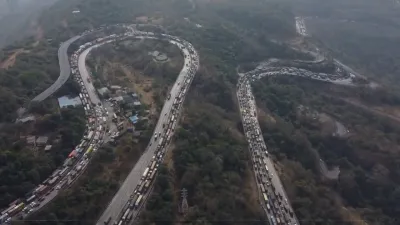
New Delhi, February 5, 2026: A massive wave of disbelief and frustration has been triggered across social media platforms following the emergence of a staggering viral video from the Mumbai-Pune Expressway. In the footage, which gained significant traction on February 5, 2026, thousands of vehicles are observed trapped in a relentless traffic jam that reportedly lasted for an astonishing 33 hours. It is noted that the aerial views of the congestion show a sea of headlights and stationary cars stretching as far as the eye can see. This extraordinary logistical failure has been widely shared as a primary example of the extreme challenges facing India’s high-traffic corridors during peak periods or unforeseen disruptions.
The Mechanics of a Total Transport Collapse
The specifics of the monumental delay are being meticulously discussed by daily commuters and transportation experts as the clip continues to trend globally. It is observed in the viral footage that heavy rainfall, combined with multiple vehicle breakdowns and a minor landslide, created a “perfect storm” that completely paralyzed the expressway. It is reported by several digital observers that the lack of exit points and inadequate emergency response contributed to the duration of the gridlock. The visual of families stranded in their cars for over a day, with limited access to food and water, has provided a grounding narrative for the urgent need for infrastructure resilience.
Also Read: Veteran Telugu Actress Vahini Dies at 48 Amid Financial Struggle
Social Media Reacts to the “Logistical Disaster”
A massive conversation regarding urban planning and the efficiency of highway management has been ignited by this interaction. It is noted that the video was met with an outpouring of criticism, with many netizens expressing their shock and anger over the 33-hour ordeal. The authorities are being widely discussed for their perceived slow response in clearing the bottleneck and managing the flow of traffic at the entry points. Thousands of comments have been left by users who shared their own harrowing experiences, stating that such videos serve as a stark reminder of the fragile nature of modern connectivity.
Impact on Commuter Trust and Infrastructure Policy
The impact of the video has extended beyond simple views to influence a broader discussion on the future of the Mumbai-Pune Expressway and other vital links. It is frequently mentioned by urban analysts that real-time monitoring and better-coordinated traffic management systems are no longer optional for such high-capacity roads. A renewed sense of urgency is being observed among local government bodies to address the recurring issues on this stretch, especially during the monsoon or holiday seasons. It is believed that the viral nature of this specific “33-Hour Jam” video will prompt a dialogue on the necessity of alternative routes and improved roadside facilities for stranded passengers.
A Stark Reminder of Infrastructure Limits
As the footage continues to accumulate millions of views in early February 2026, it serves as a powerful and resilient reminder that even the most advanced highways have their limits. It is believed that the “Expressway Gridlock” story will remain a primary highlight of the month’s most discussed infrastructure and travel features. The legacy of this viral event is expected to be a heightened public awareness of the complexities involved in maintaining national arteries. Until a more robust management system is implemented, this video remains a stark testament to the fact that sometimes, the road to progress is blocked by the very traffic it was built to carry.