

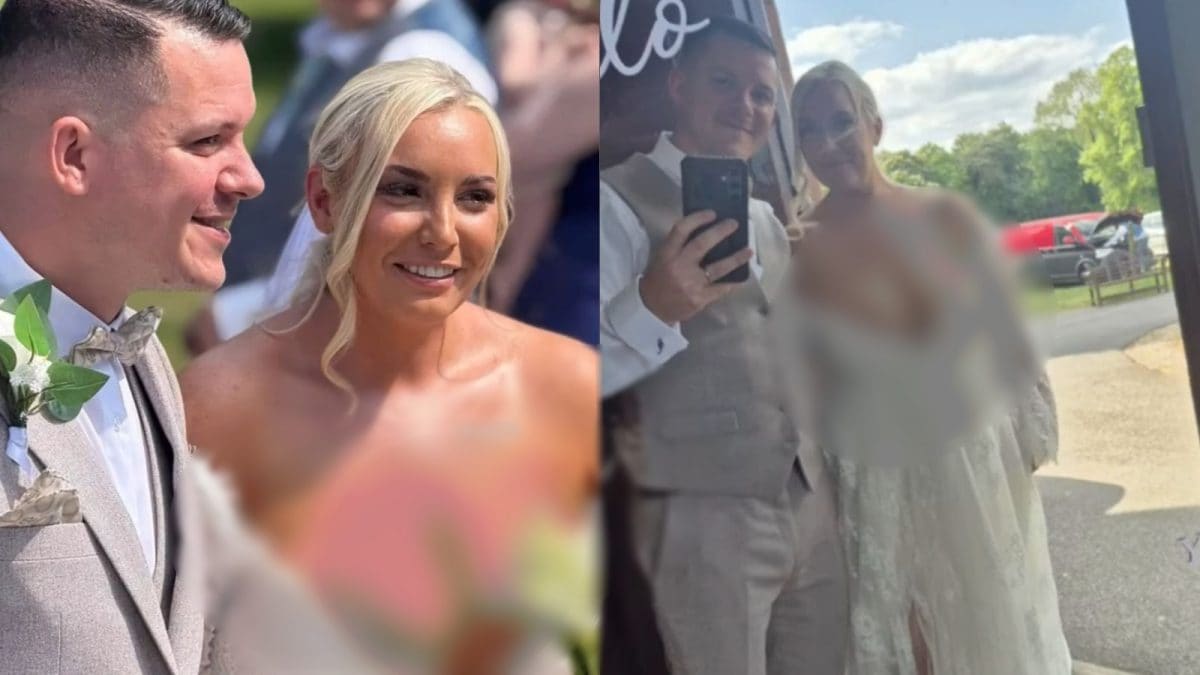
New Delhi, January 17, 2026: A wedding ceremony that was intended to be a private celebration of love has instead become a focal point of intense global debate. The focal point of the controversy was the unconventional wedding dress chosen by the bride, which was described by many attendees as a radical departure from traditional bridal aesthetics. As photographs from the event were leaked onto social media, a firestorm of reactions was ignited, ranging from absolute admiration for the bride’s courage to severe criticism from traditionalists.
A Departure from Tradition
The gown in question was characterized by its daring silhouette and non-traditional color palette, which reportedly left many guests in a state of visible shock as the bride walked down the aisle. It was observed that the design incorporated elements rarely seen in matrimonial attire, such as sheer paneling and avant-garde structural details. While the designer’s intent was stated to be a fusion of modern art and bridal elegance, the visual impact was deemed too provocative by some of the more conservative members of the wedding party.
The atmosphere of the reception was reportedly influenced by the attire, as hushed conversations regarding the outfit were held throughout the evening. It was later shared by witnesses that the bride remained entirely unfazed by the reactions of her guests, maintaining that the garment was a true reflection of her personal identity. However, once the images were uploaded to public forums, the critique shifted from the ballroom to the digital world.
Also Read: The Truth Behind Kushal Tanwar’s Viral Wedding Photos
The Viral Backlash and Online Trolling
The images were quickly seized upon by online trolls, and a wave of derogatory comments was directed toward the bride’s choice. Cruel comparisons were made by anonymous users, and the dress was subjected to intense scrutiny across various fashion blogs and social media platforms. It was argued by critics that the sanctity of the wedding ceremony was being undermined by such “attention-seeking” fashion, leading to a polarized comment section that remained active for days.
Despite the negativity, a significant number of supporters also emerged to defend the bride’s autonomy. It was asserted by fashion enthusiasts that a woman’s wedding day should be a platform for self-expression rather than a conformity to outdated societal expectations. The trolling was condemned by many as a form of online bullying, sparking a broader conversation about the unrealistic pressures placed on women to look a certain way during their nuptials.
The Aftermath of the Fashion Statement
In the days following the event, the “shocking” dress has served as a catalyst for discussions on the evolution of bridal fashion. It was suggested by industry experts that the traditional white ballgown is increasingly being challenged by a new generation of brides who value individuality over convention. The controversy has inadvertently turned the bride into a symbol of modern defiance, with her story being shared as a cautionary tale about the power and peril of going viral.
As the digital dust settles, the incident remains a testament to the fact that fashion is a subjective experience. While the trolls continue their critique, the bride’s supporters have celebrated the courage required to stand out in a world that often demands uniformity. The story of the dress continues to circulate, proving that in the age of the internet, a single garment can spark a worldwide conversation on culture, tradition, and the right to choose.