

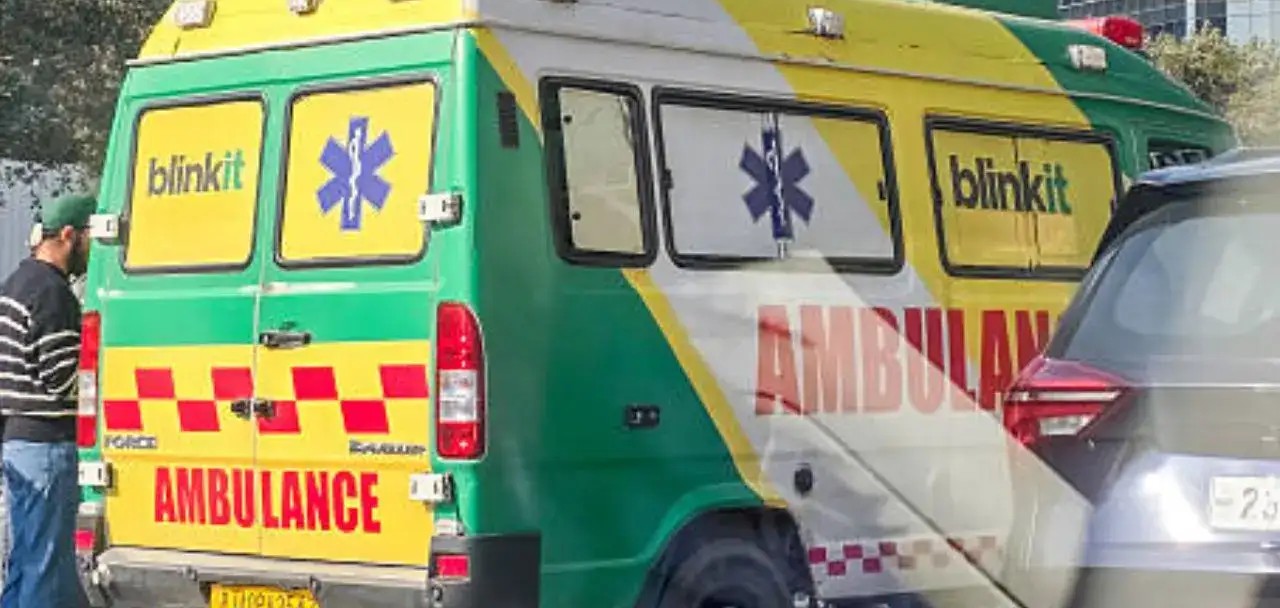
New Delhi, March 18, 2026: A significant wave of digital appreciation and relief has been triggered across social media platforms following a life-saving incident in the Delhi-NCR region. In the details shared by a user named Harpreet on March 14, 2026, a medical emergency involving a friend’s mother was successfully managed through the Blinkit app’s ambulance service. It is noted that after the request was placed in Gurgaon, the emergency vehicle arrived at the doorstep in just four minutes. This startlingly rapid response has been widely shared as a primary example of how quick-commerce infrastructure is being repurposed to solve critical healthcare delays.
The Mechanics of Professional Emergency Care
The specifics of the medical intervention and the transition to the hospital are being meticulously discussed by residents of the NCR. It is observed in the viral reports that the patient was reached by a team consisting of a trained driver and professional paramedics who provided immediate stabilization. It is reported by several digital observers that the mother was successfully admitted to a hospital’s emergency ward within 20 minutes of the initial booking. The visual of a high-tech ambulance navigating urban traffic with such efficiency has provided a grounding narrative for Blinkit’s expansion into the “10-minute” emergency medical sector.
Also Read: Nikko Natividad Turns Leaked Video Scandal Into Social Media
Social Media Reacts: A Symphony of Gratitude and Suggestions
A massive conversation regarding “the gold standard of urgent care” and the ethics of service-based tipping has been ignited by this digital revelation. It is noted that the post was met with an outpouring of appreciative comments, particularly after it was revealed that the crew left the hospital without waiting for a “token of thanks” or payment. The family is being widely discussed for their surprise at the service being free of cost, leading to suggestions that the app should include a rating and tipping system for these “lifesavers.” Thousands of analytical comments have been left by users who expressed their peace of mind, stating that such initiatives represent the best use of private enterprise in India.
Impact on the Quick-Commerce Healthcare Model
The impact of this viral event has extended beyond simple gratitude to influence a broader discussion on the future of emergency logistics. It is frequently mentioned by tech analysts that Blinkit’s not-for-profit ambulance model, which reportedly handled over 4,200 cases in its first year, is filling a gap where traditional hospital services often struggle with speed. A renewed sense of interest is being observed in the “10-minute” delivery promise, with many arguing that while groceries can wait, medical help cannot. It is believed that the viral nature of this specific “4-Minute Rescue” will prompt a dialogue on the expansion of such services to all major Indian cities by 2027.
A Stark Reminder of Technology’s Human Impact
As the story continues to accumulate tens of thousands of views in late March 2026, it serves as a powerful and resilient reminder that technology is at its best when it serves humanity. It is believed that the account of the “Blinkit Ambulance Miracle” will remain a primary highlight of the month’s most discussed and socially positive tech features. The legacy of this viral event is expected to be a heightened public awareness of accessible emergency options available right on their smartphones. Until every emergency call is answered with such speed, this story remains a stark testament to the fact that four minutes can be the difference between a tragedy and a recovery.