

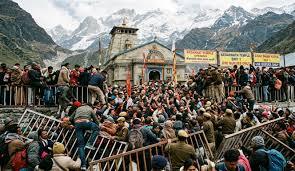
New Delhi, May 22, 2026 — The ongoing Char Dham Yatra in Uttarakhand has encountered an unprecedented surge of devotees, turning the high-altitude pilgrimage into a major logistical and security test for state authorities.
The high-altitude shrine of Kedarnath, sitting at 11,755 feet, has emerged as the main pressure point of the entire circuit. It has drawn over 6.65 lakh visitors within the first month alone, making up more than 40% of the total pilgrimage traffic across all four shrines.
Logistical Collapse at the Gates: The Sonprayag Bottleneck
As daily footfalls consistently average over 32,000 pilgrims at Kedarnath, the entry corridors have experienced severe infrastructural strains.
The critical transit hub of Sonprayag has become the site of long delays, with massive snarls locking down traffic on NH-107. Because private vehicles are banned past this point, tens of thousands of devotees are forced to queue up for the state-run shuttle buses to reach Gaurikund (the base camp). Wait times at Sonprayag routinely stretch between two and three hours during peak periods, causing widespread frustration for families trying to make the trek before sunrise.
High Altitude and Tough Weather Compound the Challenge
The true test for pilgrims begins on the actual 16 km mountain trek from Gaurikund to the Kedarnath temple. With an altitude gain of over 5,000 feet, many travelers are arriving without proper physical acclimatization, causing sudden spikes in Acute Mountain Sickness (AMS) and fatigue.
Tight New Safety Measures and the Token System
To prevent dangerous stampedes at the temple gates, the Rudraprayag district administration has enforced a strict, time-allocated token system for entering the sanctum sanctorum.
To cut down on delays and maintain decorum, the Badrinath-Kedarnath Temple Committee (BKTC) has also implemented a Char Dhamr recording videos in the line, helping the crowds move along much faster.
Furthermore, state officials have reiterated that online registration remains completely mandatory. Security check-posts equipped with QR-code scanners are turning away travelers without valid permits at the lower checkpoints to keep the crowds at a safer level. Local authorities continue to urge all pilgrims to monitor live weather bulletins, pack adequate winter clothing, and plan for inevitable travel delays.