

December 13, 2025: A shocking incident in Meerut has thrown a harsh spotlight back onto food safety standards in the online delivery ecosystem, after a man was hospitalized for allegedly finding a dead lizard in a chicken curry ordered through Zomato. The incident, which has now gone viral, has sparked widespread public disgust and urgent calls for stricter regulation of restaurant hygiene.
Dinner Turns to Nightmare
The distressing event took place when a Meerut resident, identified as Vijay, ordered a Kadhai Chicken from a well-known local establishment, Kake Da Hotel, via the food delivery platform, Zomato. According to accounts shared by his friend, a man named Neeraj who was sharing the meal, the horrifying discovery was made midway through the dish.
Neeraj stated that he had already consumed a portion of the curry when he spotted the repulsive addition—a dead lizard submerged in the gravy. The immediate sight and realization caused him to suffer continuous vomiting and his health rapidly deteriorated. He was rushed to a local hospital, where doctors kept him under observation for a full 24 hours. Though he has since been discharged, the ordeal serves as a stark reminder of the serious health risks posed by contaminated food.
Viral Video and Public Outcry
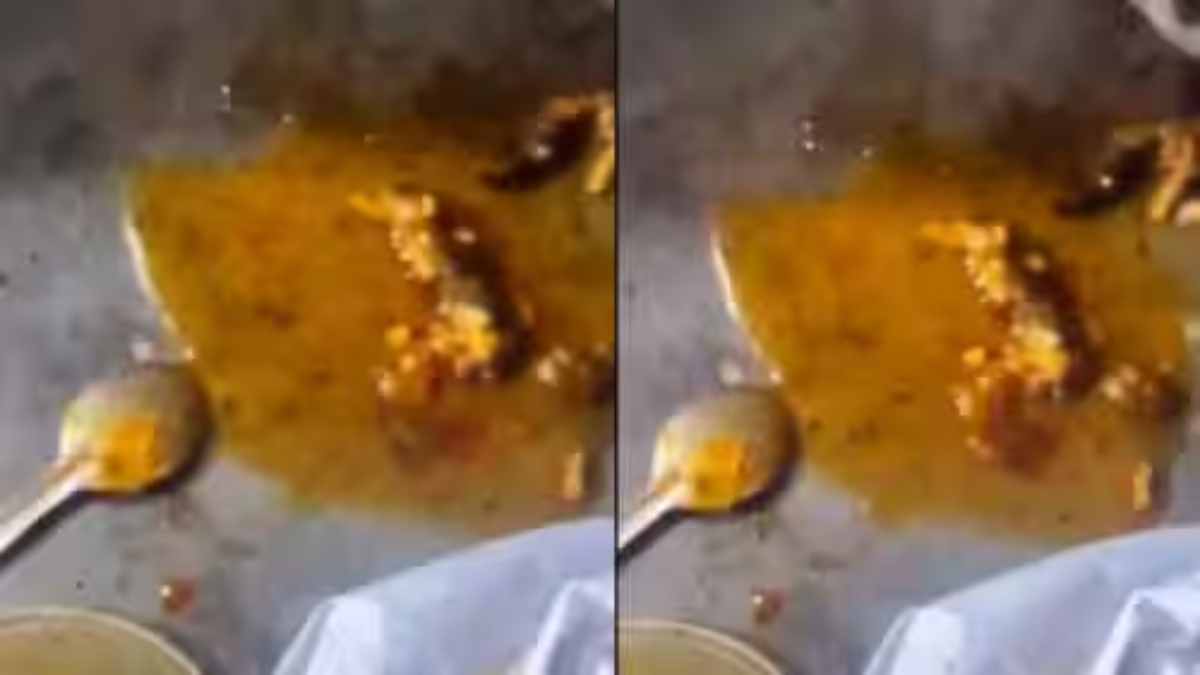
The incident came to public light after a video documenting the scene was widely shared on social media. The footage, showing the dead lizard next to the spilled, half-eaten meal and the victim resting in a semi-conscious state, quickly went viral.
Social media platforms became a hub of furious and disgusted reactions. Users demanded immediate and strict action against the restaurant, with many calling for Kake Da Hotel to be blacklisted from the Zomato platform. The general sentiment reflects a deep loss of trust, with many customers now openly questioning the safety of food they routinely order online.
System Under Scrutiny
While the physical contamination occurred within the restaurant’s kitchen, the incident has inevitably placed both the local eatery and the aggregator, Zomato, under intense public scrutiny. Delivery platforms are built on customer trust, and major lapses by their partner restaurants can severely damage that faith. The prevailing public demand is not just for an apology, but for a transparent system of accountability and regular, surprise hygiene audits by both the food delivery platforms and local food safety authorities.
As of the latest reports, the victim, Neeraj, after being discharged, has reportedly decided not to pursue a formal complaint against the restaurant management, who are said to have acknowledged their error. However, this has not diminished the public debate. The lack of an official statement or decisive action from local food safety bodies has only fueled concerns about the enforcement of hygiene regulations.
The Meerut lizard incident stands as a chilling wake-up call, emphasizing the urgent need for robust checks and balances to ensure that every meal ordered and delivered is safe for consumption.