
)
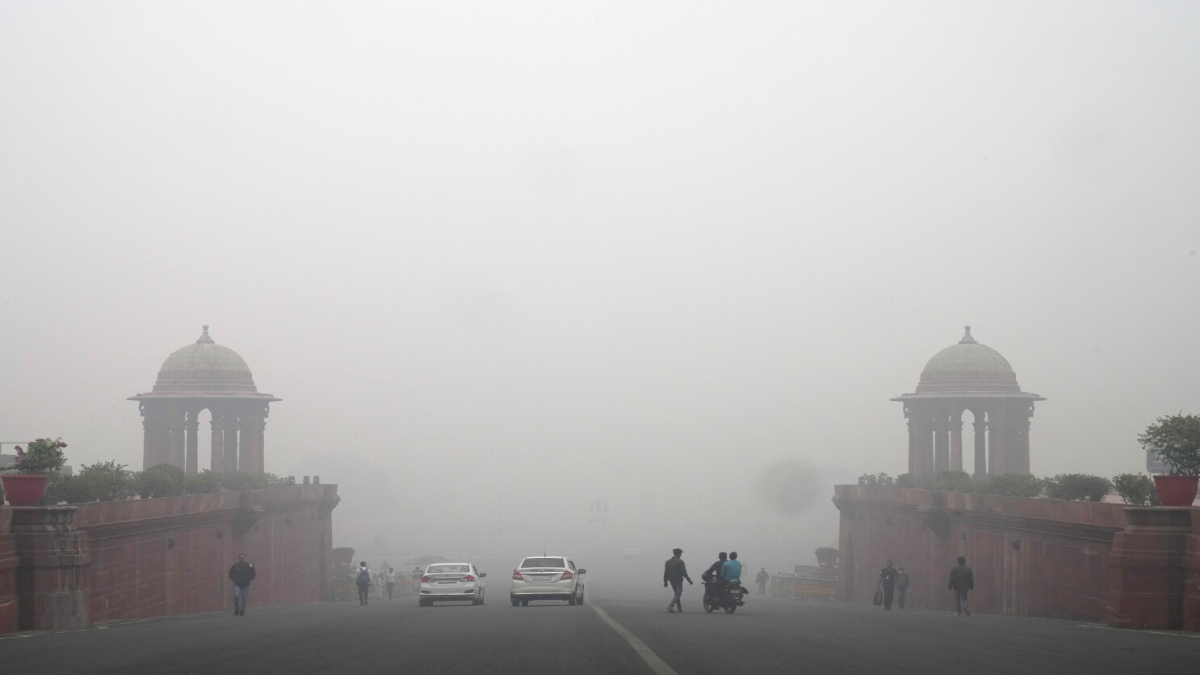
New Delhi: The national capital has once again plunged into a grave air quality crisis, with the city’s average Air Quality Index (AQI) surging to a staggering 335, officially placing it in the ‘Very Poor’ category, often referred to as the ‘Red Zone’ by health experts. This alarming figure, recorded by the Central Pollution Control Board (CPCB), solidifies Delhi’s position as the most polluted city in India and raises immediate public health concerns across the National Capital Region (NCR).
The deterioration marks a predictable, yet distressing, annual event that coincides with the onset of winter, bringing with it a noxious cocktail of local emissions and unfavourable meteorological conditions.
The Toxic Reality: What an AQI of 335 Means
An AQI between 301 and 400 is classified as ‘Very Poor,’ meaning the air quality is now a clear health hazard. Exposure to this level of pollution can lead to respiratory illnesses on prolonged exposure, and even healthy people are advised to limit outdoor activity.
The primary pollutant driving this spike is once again Particulate Matter (PM2.5), the fine inhalable particles that are small enough to penetrate deep into the lungs and enter the bloodstream. Doctors and health experts warn that breathing air at these concentration levels is comparable to smoking multiple cigarettes a day, putting vulnerable populations—children, the elderly, and those with pre-existing respiratory or cardiovascular conditions—at extreme risk.
Health Risks Include:
- Severe eye, nose, and throat irritation.
- Increased risk of asthma attacks and Chronic Obstructive Pulmonary Disease (COPD) exacerbation.
- Potential long-term damage to the heart and immune system.
The Confluence of Causes: A Perfect Storm of Pollution
The rapid decline in air quality is a result of several persistent factors that converge during the late-October and November period:
- Stubble Burning: Smoke from the burning of agricultural crop residue in neighbouring states, particularly Punjab and Haryana, is a significant seasonal contributor. Northwesterly winds transport this smoke directly into the capital, adding a heavy layer of particulate matter to the air.
- Unfavourable Meteorology: Delhi’s geography, situated in the bowl-shaped Indo-Gangetic Plain, makes it a natural pollution trap. As temperatures dip, a phenomenon called ‘temperature inversion’ occurs, where a layer of warm air traps the cooler, polluted air near the surface, preventing the pollutants from dispersing into the upper atmosphere.
- Local Emissions: Throughout the year, vehicular emissions, construction and demolition dust, and industrial pollution remain constant, high-volume sources. The cooler, stagnant air simply prevents these locally-generated toxins from moving out of the city, leading to the formation of a dense, yellowish-grey smog.
Government Response and Action Plan
In response to the deteriorating air, authorities have been compelled to enforce stricter measures under the Graded Response Action Plan (GRAP). With the AQI touching 335, measures typically mandated under GRAP Stage III or an intensified Stage II are being implemented across the NCR.
Key Measures Underway:
- Staggered Office Timings: The Delhi government has announced staggered office hours for government and municipal corporation employees to reduce peak-hour traffic congestion and, subsequently, vehicular emissions.
- Construction Curbs: Restrictions on non-essential construction and demolition activities are tightened to minimise dust generation.
- Vehicle Restrictions: Curbs on the entry of non-essential commercial vehicles and the use of older, polluting diesel and petrol vehicles are either in force or under consideration.
- Anti-Smog Measures: Increased deployment of water sprinklers and mechanical road-sweeping vehicles has been ordered to suppress road dust.
However, environmentalists and public health advocates consistently stress that reactive, short-term measures are insufficient. They call for sustained, year-round policy implementation, regional cooperation with neighbouring states on stubble management, and a definitive shift towards cleaner public transport and industrial technologies to break the annual cycle of air pollution emergencies.
A Call for Personal Vigilance
As the city battles this environmental crisis, citizens are strongly advised to take immediate precautions:
- Minimise Outdoor Exposure: Avoid prolonged or strenuous physical activity outdoors, especially during morning hours when pollution levels often peak.
- Use High-Quality Masks: Wear N95 or N99 grade face masks outdoors to filter fine particulate matter.
- Indoor Air Quality: Keep windows and doors closed, and use air purifiers in homes and offices if available.
The battle for breathable air in Delhi remains a critical public health and policy challenge, requiring a cohesive, regional, and sustained effort that extends beyond the immediate emergency.