

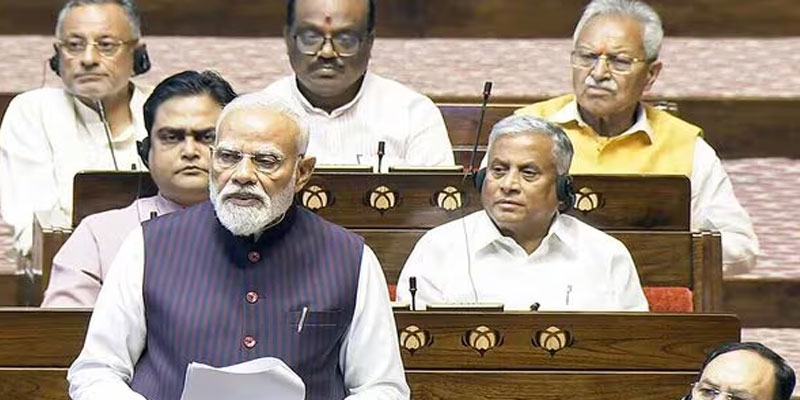
New Delhi, March 27, 2026: A significant wave of public anxiety and digital speculation has been triggered across India following a series of viral posts claiming that a new nationwide lockdown is imminent. On March 27, 2026, social media platforms were observed to be flooded with snippets of Prime Minister Narendra Modi’s recent address in Parliament. It is noted that these posts erroneously suggested that the Prime Minister hinted at a return to 2020-style restrictions. This startlingly rapid spread of misinformation has been widely shared as a primary example of how sensitive keywords can be taken out of context to create mass panic.
The Mechanics of the “COVID-Like” Reference
The specifics of the speech were meticulously reviewed by fact-checkers to determine the actual intent of the Prime Minister’s words. It is reported by several official sources that while addressing the Lok Sabha and Rajya Sabha, PM Modi referred to “COVID-like preparedness,” but not in the context of a virus. It is observed in the viral reports that the reference was used as a historical example of national unity during the ongoing West Asia energy crisis. The visual of the Prime Minister urging citizens to stay “alert and united” was misinterpreted by some as a signal for a “stay-at-home” order, rather than a call for economic resilience.
Also Read: Viral Saudi Drone Prank Videos Stir Mixed Global Reactions
Addressing the Fuel and LPG Concerns
A massive conversation regarding “energy security” and “supply chain disruptions” has been ignited by the current tensions in the Strait of Hormuz. It is frequently mentioned by government officials that the “preparedness” mentioned by the Prime Minister pertains to managing oil and LPG supplies amidst global volatility. Thousands of analytical comments were left by netizens who feared a “fuel lockdown” due to localized reports of petrol pump queues in cities like Hyderabad. However, the act of referencing the pandemic was strictly to highlight India’s ability to navigate global shocks, and the word “lockdown” was never used in the 2026 addresses.
Impact on the 2026 Digital Information Space
The impact of this viral event has extended beyond a simple rumor to influence a broader discussion on the 2026 “Fact-Check First” initiative. It is observed by media analysts that the anniversary of the March 24, 2020, lockdown likely contributed to the heightened sensitivity and “recollection risk” among the public. A renewed sense of scrutiny is being observed toward social media accounts that use old footage or misleading headlines to drive engagement. It is believed that the viral nature of this specific “Lockdown 2026” claim will prompt a dialogue on the importance of verifying political statements through official government channels like the Press Information Bureau (PIB).
A Stark Reminder of Public Vigilance
As the clarification continues to circulate on March 27, 2026, it serves as a powerful and resilient reminder that misinformation can travel faster than the truth. It is believed that the account of the “Lockdown Fact-Check” will remain a primary highlight of the month’s most discussed and socially critical news features. The legacy of this viral event is expected to be a heightened public awareness regarding the difference between “geopolitical preparedness” and “public health emergencies.” Until the current energy market stabilizes, these reports remain a stark testament to the fact that in the digital age, context is the most important shield against fear.