

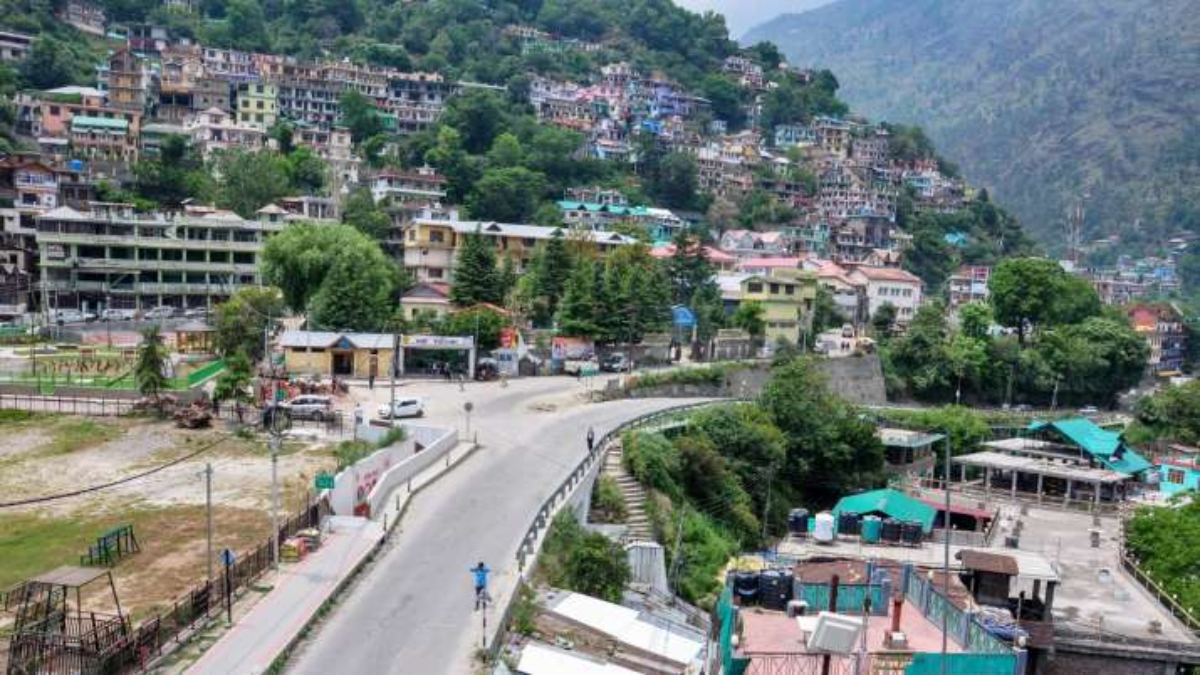
New Delhi, May 25, 2026: — As unprecedented heatwaves scorch the northern plains of India, sending temperatures past 44°C in parts of Punjab, Haryana, Delhi, and Rajasthan, a significant demographic shift is unfolding in the mountains. The historic district of Mandi in Himachal Pradesh has officially transitioned from a quiet cultural stopover into a major summer tourist hotspot.
Faced with an unrelenting sun, thousands of travelers are bypassing heavily congested, mainstream destinations like Shimla and Manali to seek refuge in Mandi’s cooler, offbeat valleys.
The Great Escape: Plains Swelter While Mandi Cools
The Indian Meteorological Department (IMD) recently issued a flurry of heatwave alerts for Northern India, with plain areas experiencing near-record temperatures. Even traditional hill stations like Shimla have recorded uncomfortably high daytime temperatures reaching up to 30.5°C, leaving many travelers searching for alternatives.
Local hotel associations report a massive spike in bookings over the last two weeks, with homestays and riverside resorts experiencing over 85% occupancy.
Exploring Mandi’s Visual and Offbeat Splendors
Mandi offers an enticing combination of rich spiritual heritage—often referred to as the “Chhoti Kashi” due to its ancient stone temples—and untamed alpine wilderness. The current tourist influx is heavily focused on the district’s eco-tourism circuits.
1. Barot Valley: The Angler’s Paradise
Located along the Uhl River, Barot Valley has become a prime attraction for travelers looking for tranquility. Originally built around a vintage hydroelectric project, Barot is now famed for its terraced fields, dense cedar forests, and thriving trout breeding centers. Tourists can be seen sitting by the crystal-clear river, trying their hand at angling, or embarking on day treks through rhododendron groves.
2. The Mystical Prashar Lake
For adventure seekers, the high-altitude Prashar Lake (sitting at 2,730 meters) remains a crowd favorite. The lake, known for its mysterious floating island and a striking 14th-century pagoda-style temple dedicated to Sage Prashar, offers panoramic views of the snow-capped Dhauladhar range. Overnight camping under the stars has seen record participation this season.
3. Rewalsar and Janjehli
Rewalsar Lake, a sacred spot for Buddhists, Hindus, and Sikhs alike, is witnessing steady footfall from culturally-inclined travelers. Meanwhile, Janjehli—a pristine valley largely untouched by commercialization—is drawing trekkers, photographers, and eco-tourists seeking complete isolation from the chaotic city life.
Economic Boom Amidst Environmental Responsibility
The sudden surge in footfall has provided a welcome economic boost to local businesses. Taxi drivers, souvenir shops, adventure guides, and small-scale dhaba owners are reporting historic seasonal revenues. The rise of community-led rural tourism models—such as the sustainable initiatives in Pahadans Village—has allowed locals to directly profit from the summer rush while keeping environmental impacts low.
District officials have stepped up traffic management and issued strict guidelines regarding waste management, urging visitors to protect the fragile Himalayan ecology.
With meteorologists predicting that high temperatures in the plains will persist well into June, Mandi’s cool breezes and shaded pine forests are expected to welcome many more travelers before the monsoon rains finally bring permanent relief to the subcontinent.