
)
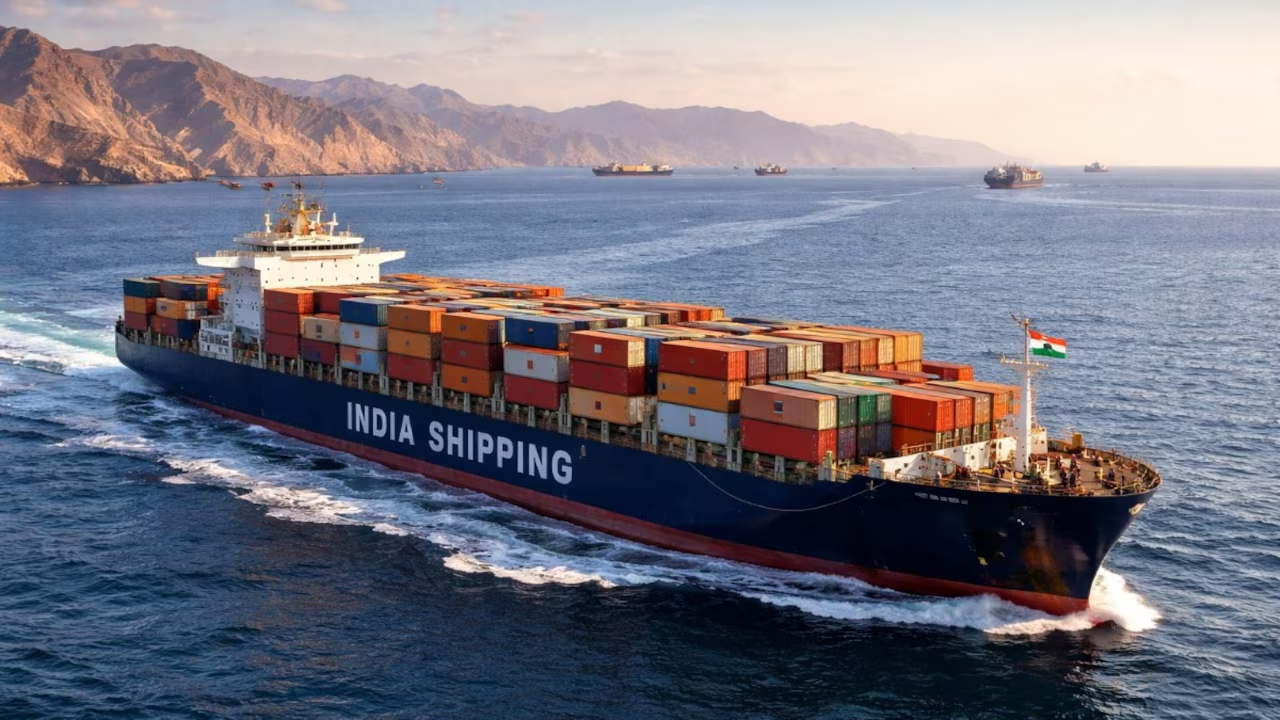
New Delhi, March 14, 2026: In a significant diplomatic breakthrough amid escalating tensions in West Asia, two Indian-flagged Liquefied Petroleum Gas (LPG) carriers—the Shivalik and the Nanda Devi—successfully navigated the Strait of Hormuz on Saturday, March 14, 2026.
The passage marks a rare exception to the Iranian blockade that has effectively shuttered the world’s most critical energy chokepoint following weeks of intensified conflict between Iran, Israel, and the United States.
Diplomatic “Carve-Out” Secures Energy Lifeline
The safe transit of these vessels is being viewed as a major victory for Indian diplomacy. While Tehran has maintained a strict “no-exit” policy for energy supplies bound for U.S. allies, India managed to secure a vital exemption after high-level negotiations.
The breakthrough followed:
- Direct Leadership Outreach: Prime Minister Narendra Modi held a phone conversation with Iranian President Masoud Pezeshkian on Thursday, emphasizing the “unhindered transit of goods and energy” as a top priority.
- Ministerial Dialogue: External Affairs Minister S. Jaishankar conducted four rounds of intensive discussions with his Iranian counterpart, Seyed Abbas Araghchi, since late February to ensure the safety of Indian seafarers.
- A “Friendship” Gesture: Iranian Ambassador to India, Mohammad Fathali, described New Delhi as a “strategic partner,” stating that the suffering of the Indian people is shared by Iran, facilitating this rare maritime “green corridor.”
The Vessels and Their Cargo
Both tankers, operated by the Shipping Corporation of India (SCI), are carrying critical supplies intended to alleviate an acute domestic gas shortage that has sparked panic booking and black-marketing across India in recent days.
| Vessel Name | Cargo Type | Estimated Load | Status (as of March 14) |
| Shivalik | LPG | ~40,000 Metric Tonnes | Cleared the Strait; in open waters |
| Nanda Devi | LPG | ~46,000 Metric Tonnes | Successfully exited the Strait |
Together, these ships are transporting approximately 86,000 metric tonnes of LPG—equivalent to roughly 60 lakh (6 million) domestic gas cylinders. Experts suggest this influx will significantly stabilize the supply chain, particularly for households and the hospitality sector in states like Kerala and Karnataka, which were hit hardest by the disruption.
Naval Protection and Security Measures
The transit was far from routine. Both the Shivalik and Nanda Devi were escorted by Indian Navy warships equipped with advanced air defense systems.
“The operation was a carefully synchronized exercise involving live feeds from indigenous satellites, maritime surveillance aircraft, and drones,” a government source confirmed.
The Navy’s presence provided a deterrent against potential drone or missile strikes, which have plagued the region since the conflict began. While Iran has not officially “closed” the Strait, insurance companies had previously stopped guaranteeing movement due to the high risk of collateral damage.
The Broader Geopolitical Context
The Strait of Hormuz typically handles nearly 20% of global oil and LNG consumption. With most traffic halted, India’s ability to navigate this blockade highlights its unique “strategic autonomy.”
While Western nations face soaring energy prices, India’s “middle-path” diplomacy has allowed it to maintain a working relationship with Tehran even as the U.S. intensifies its military posture in the region. However, the crisis is far from over; approximately 28 India-flagged vessels remain in the vicinity, and the government continues to monitor the safety of nearly 800 Indian seafarers still in the volatile zone.