
)
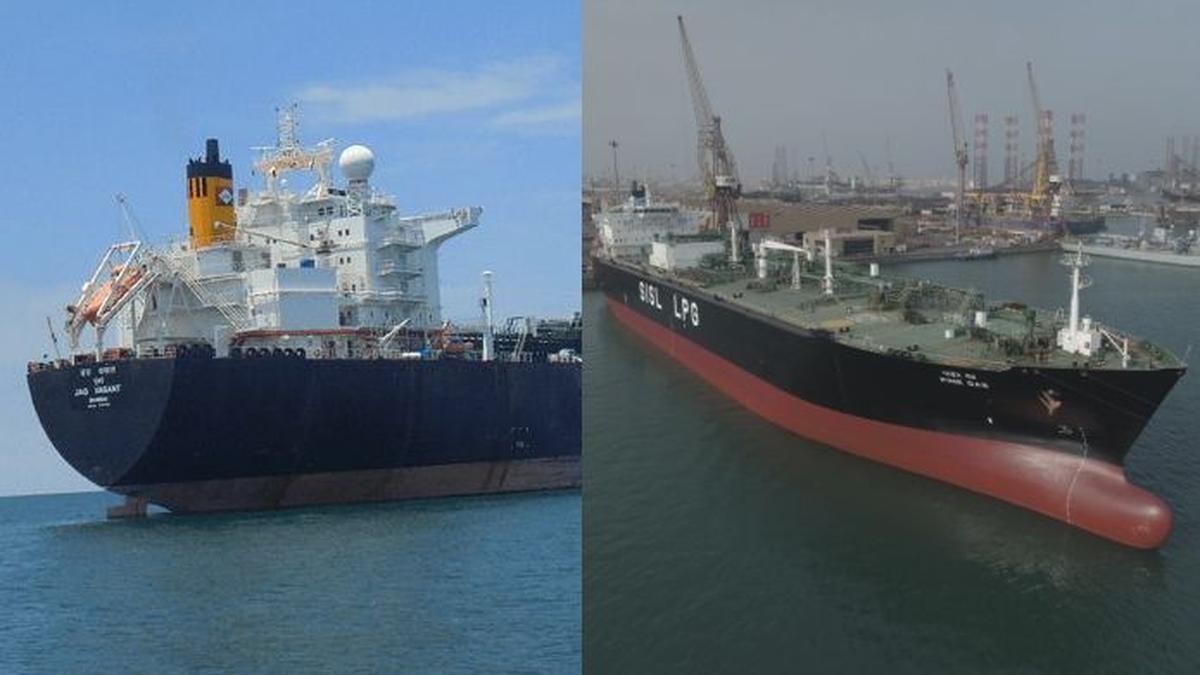
New Delhi | March 30, 2026 — In a significant boost to India’s energy security amid a deepening regional crisis, two Indian-flagged Liquefied Petroleum Gas (LPG) tankers have successfully navigated the high-stakes Strait of Hormuz. The vessels, BW TYR and BW ELM, are currently en route to the ports of Mumbai and New Mangalore, carrying a critical supply of cooking gas to help mitigate the country’s worst fuel shortage in decades.
According to official statements from the Ministry of Shipping and ship-tracking data from LSEG, the two tankers are transporting a combined cargo of approximately 94,000 metric tonnes of LPG.
Strategic Transit Amid Regional Tensions
The safe passage of these vessels comes during a period of extreme volatility in West Asia. Military actions involving the United States, Israel, and Iran have largely paralyzed commercial shipping through the Strait of Hormuz—a narrow chokepoint responsible for nearly one-fifth of the world’s oil and gas consumption.
Despite the de facto blockade, Iranian authorities recently indicated that “non-hostile vessels” could transit the waterway provided they coordinate closely with local maritime officials. The BW TYR and BW ELM followed a specific route along the Iranian coastline to ensure safe passage.
- BW TYR: Carrying approximately 46,500 tonnes of propane and butane for Bharat Petroleum (BPCL), it is expected to dock in Mumbai by the evening of March 31.
- BW ELM: Transporting roughly 47,000 tonnes for Hindustan Petroleum (HPCL), it is scheduled to arrive at New Mangalore Port on April 1.
Relief for the Indian Kitchen
India relies on imports for nearly 60% of its annual LPG demand, with a staggering 90% of those imports traditionally sourced from the Middle East. The recent disruptions led to a sharp spike in domestic prices and reported shortages in several states, forcing the government to prioritize household supply over industrial use.
The arrival of these 94,000 tonnes is estimated to represent roughly a full day’s national consumption of cooking gas. While this is a vital injection into the supply chain, the government remains cautious.
“Our priority remains the safe repatriation of our seafarers and the steady flow of essential energy,” a Ministry official stated. “While these transits are successful, we are continuing to diversify our sourcing from nations like the U.S. and Argentina to reduce our vulnerability to this specific corridor.”
The Status of Remaining Vessels
The Directorate General of Shipping (DGS) continues to monitor the region around the clock. As of today:
- 18 Indian-flagged vessels remain in the western Persian Gulf region.
- 485 Indian seafarers are currently onboard these vessels, with authorities confirming they are safe and in good spirits.
- Other LPG carriers, including the Jag Vikram, Green Asha, and Green Sanvi, are still positioned in the western Strait, awaiting further instructions for their return journey.
This successful transit marks the third wave of LPG deliveries this month, following the arrival of the MT Shivalik, MT Nanda Devi, Pine Gas, and Jag Vasant earlier in March. While the crisis is far from over, the steady “trickle-out” of stranded cargo offers a glimmer of hope for stabilizing fuel prices across the country.