

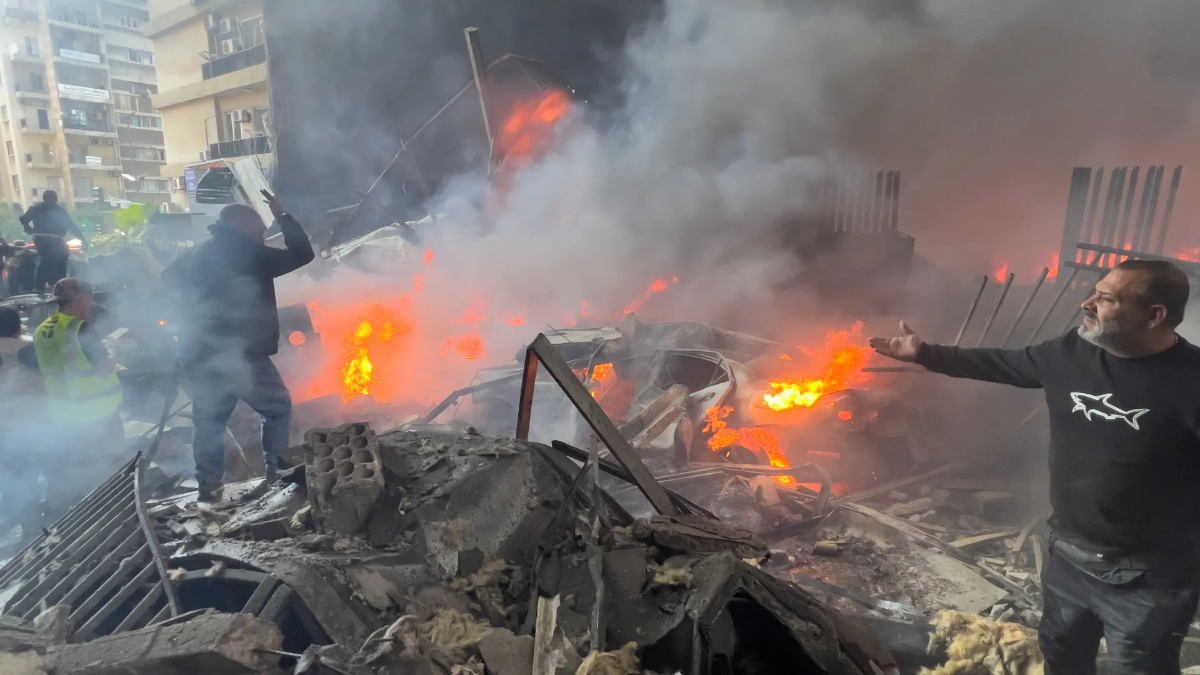
New Delhi, May 16, 2026: The conflict in the Middle East has reached a critical juncture as diplomatic efforts and military operations continue to clash. In a significant development on May 16, 2026, the United States announced that Israel and Lebanon have agreed to a 45-day extension of their ceasefire. While this offers a glimmer of hope for regional stability, the situation remains fragile as Israel continues targeted strikes and Iran signals a cautious readiness for further dialogue with Washington.
Ceasefire Extension: 45 Days of “Breathing Room”
The existing truce, which was set to expire this Sunday, has been prolonged following intense two-day negotiations in Washington. State Department spokesperson Tommy Pigott confirmed that the cessation of hostilities will now continue for another month and a half to “enable further progress” toward a permanent political settlement.
Key Details of the Agreement:
- Duration: A 45-day extension of the truce originally declared on April 16.
- Future Talks: New rounds of political negotiations are scheduled for June 2 and 3, with military-to-military delegations set to meet on May 29.
- Objective: The Lebanese delegation stated the extension provides “critical breathing room” for civilians, aiming for lasting stability along the shared border.
Despite the official agreement, the reality on the ground is starkly different. Even as the extension was announced, Israeli airstrikes hit southern Lebanon. Israel maintains that these strikes are directed at Hezbollah infrastructure and are not subject to the ceasefire terms, as Hezbollah—the Iranian-backed group—is not a formal party to the diplomacy.
Iran’s Stance: Open to Talks but Wary
In New Delhi, where he is attending a BRICS meeting, Iranian Foreign Minister Abbas Araghchi addressed the ongoing tensions. He confirmed that Tehran has received fresh messages from the United States expressing a willingness to continue interactions.
“We received messages again from the Americans saying that they are willing to continue the talks and continue the interaction,” Araghchi told reporters.
However, Araghchi highlighted a significant “trust deficit” between the two nations. He emphasized that there is no military solution to the conflict and expressed Iran’s readiness to ensure the safe passage of vessels through the Strait of Hormuz, provided a diplomatic breakthrough is reached.
The “Epic Fury” Shadow: Trump’s Dilemma
Back in Washington, President Donald Trump has returned from a high-stakes visit to China. While he seeks a historic diplomatic win, reports suggest the Pentagon has already drafted plans for a potential resumption of strikes under a campaign dubbed “Operation Epic Fury 2.0“ should diplomacy fail.
The Trump administration is reportedly balancing three paths:
- Indirect Diplomacy: Using regional intermediaries to bridge the gap with Tehran.
- Military Escalation: Increasing regional presence to pressure the Iranian regime.
- Economic Squeeze: Tightening maritime restrictions to limit Iran’s trade further.
Trump has publicly mentioned that Chinese President Xi Jinping offered to assist in reopening the Strait of Hormuz and pledged not to provide military aid to Iran, adding a layer of global pressure on Tehran to reach an accord.
The Human Cost and Economic Ripple Effects
The conflict, which intensified significantly in March 2026, has taken a devastating toll. According to Lebanese authorities, more than 2,900 people have been killed in Lebanon since the start of the war, with over 400 deaths occurring even after the initial April truce was signed.
Recent Incidents:
- Medical Staff Targeted: An Israeli strike recently leveled a health center in southern Lebanon, wounding six medical personnel.
- Military Losses: The Israeli military reported the death of another soldier in southern Lebanon, bringing their toll to 19 since March.
- Displacement: Thousands of civilians remain displaced as evacuation warnings continue for towns in and around the coastal city of Tyre.
Beyond the immediate violence, the war is squeezing global fuel supplies. Ship operators have expressed fears of severe shortages as the “Strait of Hormuz blockade” drives up insurance costs and discourages maritime traffic in one of the world’s most vital oil transit points.
What Lies Ahead?
The next few weeks will be a true test of international diplomacy. The scheduled military talks on May 29 will be the first major indicator of whether both sides can move from a temporary halt in firing to a structured security agreement.
For the people of Lebanon and Israel, the 45-day extension is a welcome pause, but the “ups and downs” mentioned by Israeli Ambassador Yechiel Leiter suggest the road to peace is still littered with obstacles. As Tehran waits to see if Washington’s messages translate into a “grand bargain,” the world remains on high alert, watching the volatile borders of West Asia.