

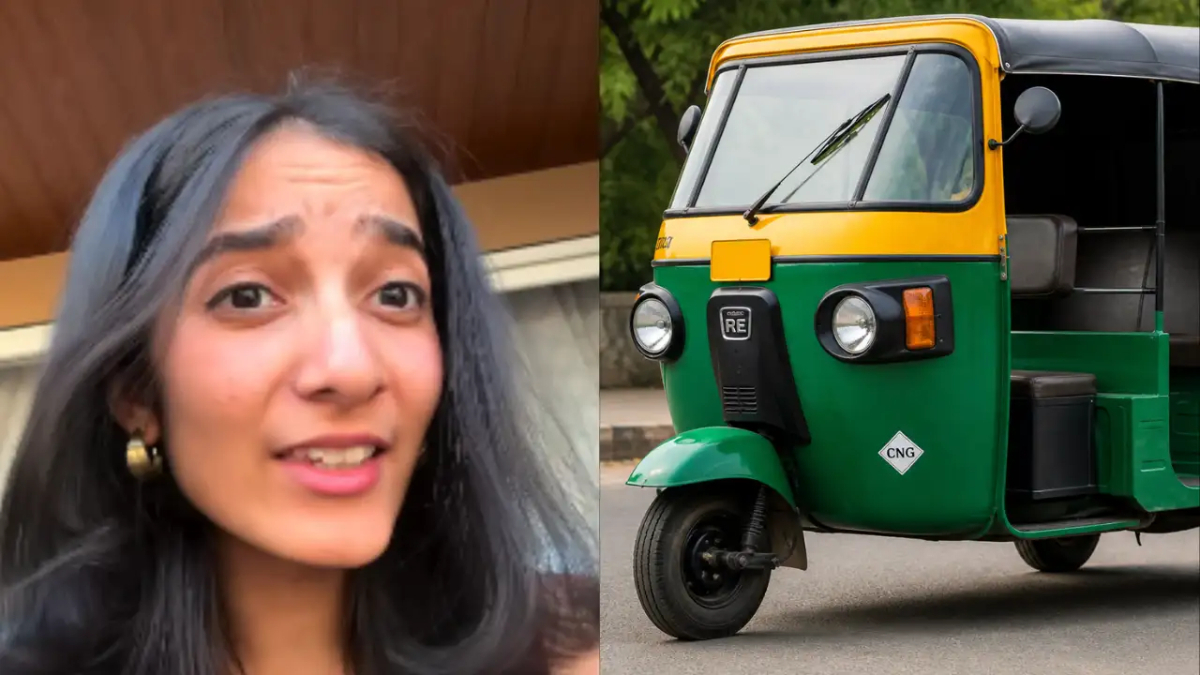
New Delhi, May 6, 2026 – For many residents of India’s “Silicon Valley,” the arrival of the monsoon brings a mix of relief from the heat and dread for the commute. This week, those frustrations reached a new peak after a viral social media post highlighted the extreme lengths—and costs—commuters are going to just to get home safely.
A Bengaluru-based content creator recently shared a story about her friend, who was charged a staggering ₹1,200 for a 15-kilometer autorickshaw ride during a heavy downpour. The incident, which reportedly took three hours to complete due to gridlocked traffic, has reignited a heated public debate about surge pricing, the lack of reliable public transport, and the everyday struggle of navigating the city’s infamous traffic.
The Viral Incident: More Than Just a Fare Hike
The video, posted by content creator Sanya Singh (@sanya.unfiltered), quickly gained traction as it resonated with thousands of residents who have faced similar “commuter trauma.”
In the video, Singh expressed her shock, noting that the cost was high enough to cover household groceries for weeks. “It took her 3 hours to reach home,” the caption read. “She paid ₹1.2k just so the auto driver wouldn’t leave her midway.”
The post paints a bleak picture of the “new normal” for many IT professionals and daily commuters: a reality where booking a ride is often more challenging than college admissions, and where exorbitant fares are accepted not out of choice, but out of desperation to reach home safely.
Why Is This Happening?
The ₹1,200 fare is an extreme outlier, but it is symptomatic of a larger, systemic issue in Bengaluru’s mobility landscape. Several factors contribute to these spikes during rainy conditions:
1. The Supply-Demand Gap
When it rains in Bengaluru, the demand for cabs and autorickshaws skyrockets as people avoid two-wheelers or walking. Conversely, the supply often drops as drivers prefer to avoid flooded roads, traffic jams, and the potential for vehicle damage.
2. Traffic Congestion
Bengaluru’s traffic is legendary for all the wrong reasons. A 15-km journey that might take 45 minutes on a clear day can easily balloon into a 3-hour ordeal during peak monsoon traffic. For drivers, time spent stuck in a jam is time they aren’t making money on new trips, leading some to demand higher fares or refuse rides entirely.
3. Fuel Price Pressures
The situation is compounded by economic stress. Recent reports indicate that Bengaluru’s auto drivers have been struggling with rising LPG prices, which have significantly cut into their daily earnings. Many drivers argue that government-mandated fare structures, even when revised, often fail to account for the actual cost of living and vehicle maintenance in a high-inflation environment.
The “Tip” Culture and Aggregator Apps
A significant portion of the outrage stems from how ride-hailing apps operate. Users frequently report that they are forced to add “tips” or “extra fares” to their bookings just to get a driver to accept the ride.
“I’m paying 550 now for something that used to cost 420,” one user lamented on a local forum. “Even after adding a tip before the ride starts, by the time the ride ends, the app shows a higher fare because it took longer.”
While transport authorities have previously conducted enforcement drives to curb overcharging, the issue remains pervasive. When apps display high surge pricing, or when drivers demand cash over the meter, the commuter is often left with little recourse.
Is There a Solution?
The government and transport authorities have attempted to intervene in the past, including periodic fare revisions and crackdowns on illegal overcharging. However, experts suggest that reactive measures are not enough.
- Infrastructure Improvements: Better storm-water drainage is essential to preventing the road flooding that paralyzes traffic during monsoons.
- Public Transit Integration: Experts have long advocated for a more robust integration between the Metro, BMTC buses, and last-mile connectivity, which would reduce the city’s heavy reliance on private autos and cabs.
- Transparent Pricing: There is a persistent call for a more scientific, perhaps annual, review of auto fares that balances the needs of drivers—who face rising fuel costs—with the affordability requirements of daily commuters.
A City at a Crossroads
For now, the viral video serves as a digital town square for collective venting. While the incident itself is a singular story, the thousands of comments sharing similar experiences highlight that the “Bengaluru commute” has become a major quality-of-life issue for the city’s residents.
As the city continues to grow, the question remains: Can Bengaluru build a transportation system that is reliable enough that a 15-km trip doesn’t require a small fortune or a three-hour patience test? Until then, many commuters are left choosing between a very expensive ride and a very long, wet walk.