

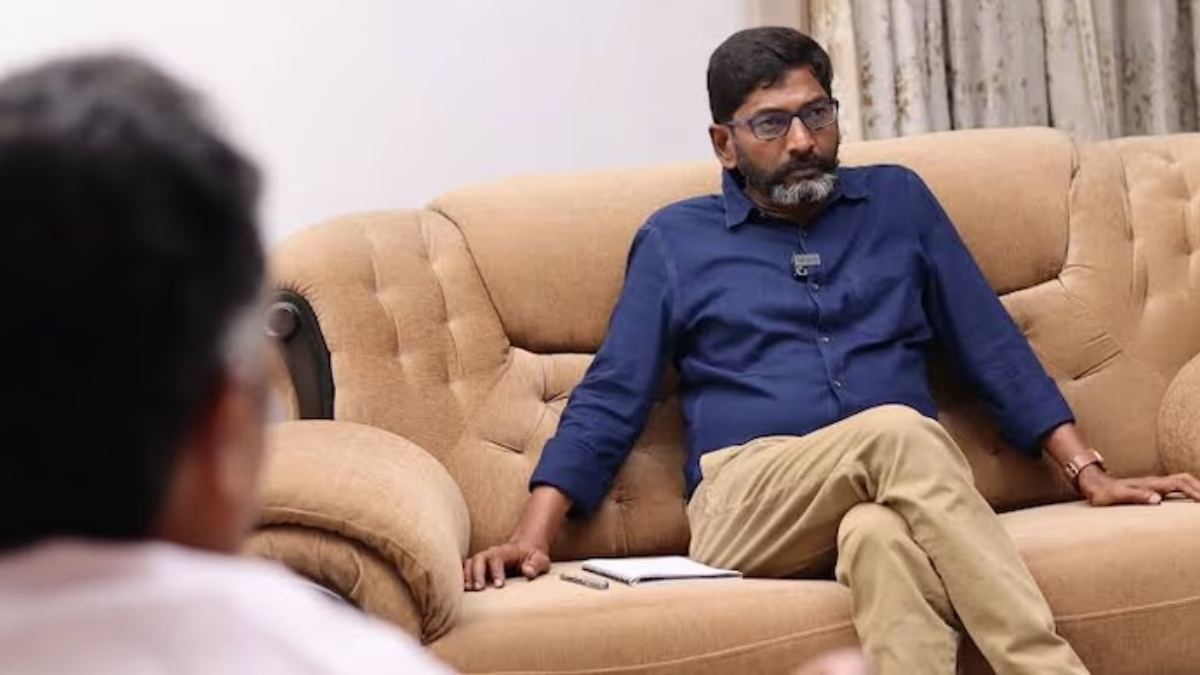
New Delhi, january 30, 2026: In a significant development concerning the intersection of digital media ethics and legal procedures, the Supreme Court of India has refused to interfere with the stringent bail conditions imposed on YouTuber and journalist Savukku Shankar. The Court’s decision comes amid allegations that Shankar misused his medical bail to create social media content rather than seeking the treatment for which he was released.
The Backdrop: Medical Grounds vs. Digital Activity
Savukku Shankar was arrested on December 13, 2025, in connection with allegations of assault and extortion involving a film producer. On December 26, 2025, the Madras High Court granted him interim bail for twelve weeks on medical grounds. His family had argued that he suffered from serious cardiac ailments and hypertension, necessitating specialized care.
However, the State soon moved to highlight that upon his release, Shankar appeared to prioritize his digital presence over his health. It was alleged that instead of visiting hospitals for his purported cardiac issues, Shankar was seen making “reels” and videos for YouTube, some of which even mocked the ongoing police investigation.
The Supreme Court’s Observations
A Bench comprising Justice Dipankar Datta and Justice Satish Chandra Sharma expressed strong displeasure over Shankar’s conduct. Justice Datta remarked that bail granted for medical reasons is a “concession” and not a license to engage in activities that contradict the very grounds of the plea.
“After going out on bail, you are treated as an outpatient… and thereafter, you start making reels and videos… That was not the purpose of the grant of bail. You are misusing your liberty,” Justice Datta observed.
The Court further noted that while Shankar claimed he was too ill to cooperate with the police, he was healthy enough to record and upload content. Justice Sharma added a pointed remark, noting that the petitioner seemed “busy making reels” instead of recuperating.
Allegations of Non-Cooperation and Evidence Tampering
The prosecution, represented by Senior Advocate Siddharth Luthra, argued that Shankar had materially violated his bail conditions. A key point of contention was a mobile phone that the police had been searching for. Luthra informed the Court that Shankar refused to hand over the device during the investigation, only to later “flaunt” the same phone in a YouTube video after being released on interim bail.
The Madras High Court had previously observed that such actions obstructed the investigation and intimidated potential witnesses.
Health Evaluation Mandated
Shankar’s legal team, led by Advocate Balaji Srinivasan, raised concerns about the reliability of government doctors, alleging medical negligence and a “deep apprehension” regarding the treatment provided in state custody.
To resolve the dispute over his actual health status, the Supreme Court supported the High Court’s direction for an independent medical evaluation. Shankar will now undergo a comprehensive check-up by a Medical Board at the Rajiv Gandhi Government General Hospital to objectively assess whether his medical condition warrants continued interim relief.
Conclusion
The Supreme Court’s refusal to modify the bail conditions serves as a stern reminder that the judiciary views the misuse of personal liberty seriously. While the Court has previously shown concern over the “repeated incarceration” of dissenting voices, this ruling emphasizes that journalists and content creators must adhere to high ethical standards and legal discipline while out on bail. For now, Savukku Shankar remains under strict judicial scrutiny as his medical evaluation proceeds.