

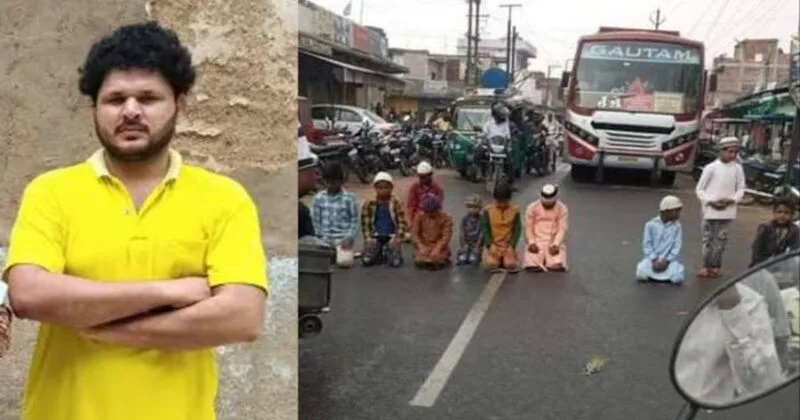
New Delhi, March 19, 2026: A significant wave of communal tension and administrative alertness has been triggered across North India following the emergence of a contentious video by Hyderabad-based preacher Syed Ayub. In the footage, which gained massive traction on March 15, 2026, Ayub is observed urging the Muslim community to perform Eid prayers on public roads across the country. It is noted that the preacher specifically challenged the existing prohibitions in Uttar Pradesh, asserting that “Namaz will be offered on the roads, Inshallah,” regardless of official restrictions. This startlingly defiant visual has been widely shared as a primary example of the escalating friction between religious practices and state-enforced public order.
The Mechanics of State Enforcement
The specifics of the government’s response and the implementation of security protocols are being meticulously discussed by home ministry officials and local police departments. It is observed in the viral reports that the Uttar Pradesh administration, led by Chief Minister Yogi Adityanath, has issued a zero-tolerance policy regarding the obstruction of traffic for religious gatherings. It is reported by several digital observers that a ban on offering Namaz on roads has been strictly reinforced, with authorities in districts like Sambhal, Meerut, and Shamli conducting peace committee meetings to ensure compliance. The visual of heavy police patrolling and the deployment of drone surveillance in sensitive areas has provided a grounding narrative for the state’s “security-first” approach during the 2026 festive season.
Also Read: Disabled Bihar Teen’s Struggle Continues After Faulty Govt Gift
Social Media Reacts: A Symphony of Debate and Disapproval
A massive conversation regarding “secularism,” “public nuisance,” and the “rule of law” has been ignited by this digital revelation. It is noted that Syed Ayub’s video was met with an outpouring of polarized comments, with many netizens condemning the speech as inflammatory while others viewed it as a stand for religious visibility. The “Sant Samaj” (saint community) and various Hindu religious leaders have reportedly expressed deep anger, calling for the immediate arrest of those inciting the public to break traffic laws. Thousands of analytical comments have been left by users who expressed their concern, stating that such viral videos serve as a stark reminder of how easily digital platforms can be used to fuel communal disharmony.
Impact on Eid and Navratri Celebrations
The impact of this viral event has extended beyond legal threats to influence a broader shift in how major festivals are being managed in 2026. It is frequently mentioned by administrative experts that since Eid-ul-Fitr and Navratri are occurring simultaneously, the potential for friction is at an all-time high. A renewed sense of vigilance is being observed among district magistrates, who have reportedly been instructed to monitor social media for “fake news” and inflammatory content that could lead to street-level clashes. It is believed that the viral nature of this specific “Syed Ayub Challenge” will prompt a dialogue on the necessity of separating religious observances from public infrastructure to maintain civic peace.
A Stark Reminder of Legal Consequences
As the festival of Eid approaches in late March 2026, it serves as a powerful and resilient reminder that constitutional rights are subject to public order. It is believed that the account of the “Namaz on Roads Row” will remain a primary highlight of the month’s most discussed and socially sensitive political features. The legacy of this viral event is expected to be a heightened public awareness of the legal repercussions of defying state directives, including the potential cancellation of passports and driving licenses for offenders. Until the celebrations conclude peacefully, this video remains a stark testament to the fact that in the eyes of the administration, the road belongs to the commuter, not the congregation.