

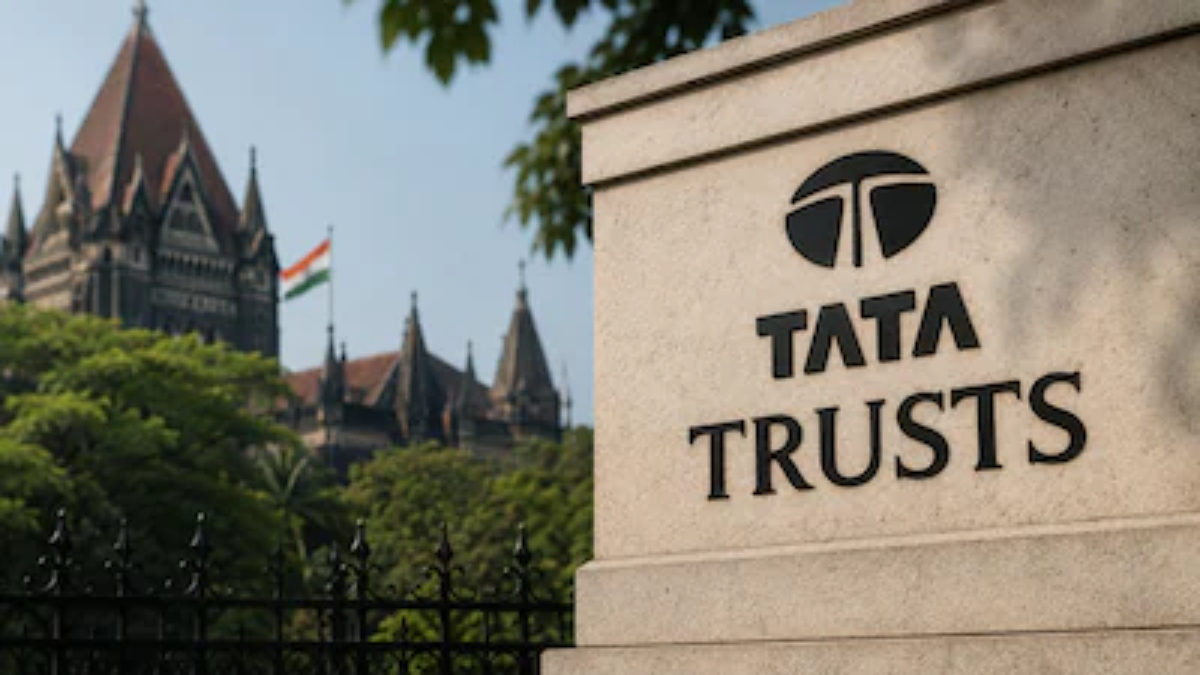
New Delhi, May 8, 2026: The Indian corporate landscape is currently centered on Mumbai’s Bombay House as news emerges regarding the postponement of a critical Tata Trusts board meeting. This meeting, which was expected to address pivotal issues regarding the governance structure of the philanthropic behemoth and the potential public listing of Tata Sons, has reportedly been pushed back.
This development comes at a time when the $165-billion Tata Group is navigating a complex transition phase, balancing its traditional philanthropic roots with the modern pressures of regulatory compliance and market expectations.
The Significance of the Meeting
The Tata Trusts—principally the Sir Dorabji Tata Trust and the Sir Ratan Tata Trust—hold a combined 66% stake in Tata Sons, the holding company of the entire Tata Group. Because the Trusts are the majority owners, any decision made by their board has a direct and profound impact on the direction of India’s largest conglomerate.
The postponed meeting was expected to be a landmark session. Industry insiders suggest that the agenda was packed with high-stakes items, ranging from the formalization of leadership roles to the legal intricacies of how the group interacts with its primary holding company.
The Governance Overhaul
One of the primary reasons for the intense interest in this meeting is the ongoing discussion regarding governance. Since the passing of Ratan Tata, the group has been meticulously working on a “succession and stability” framework.
Governance at the Trusts is not just about choosing leaders; it is about defining the “vanguard” role the Trusts play over Tata Sons. Key points under discussion include:
- The Dual Role Conflict: There have been historical debates about whether the Chairman of the Tata Trusts should also be a director on the board of Tata Sons. Recent efforts have leaned toward keeping these roles distinct to ensure a system of checks and balances.
- Professionalization of the Board: There is a growing movement within the group to induct more professional trustees with backgrounds in law, finance, and global philanthropy to complement the family’s presence.
- The “Veto” Rights: Under the current Articles of Association, the Trusts have significant powers over the appointment and removal of the Tata Sons Chairman. Refining these powers to ensure they are used constructively for long-term growth is a top priority.
The Tata Sons Listing Dilemma
Perhaps the most market-sensitive topic on the table is the potential Initial Public Offering (IPO) of Tata Sons. The Reserve Bank of India (RBI) classified Tata Sons as an “Upper Layer” Non-Banking Financial Company (NBFC-UL) in 2022. According to RBI regulations, such companies are required to list on the stock exchanges within three years—a deadline that falls in September 2025.
However, the Tata Group has historically preferred to remain a closely-held entity. Listing Tata Sons would mean:
- Unprecedented Transparency: As a public company, Tata Sons would have to disclose granular details about its investments, cash flows, and decision-making processes.
- Valuation Spark: Analysts estimate that a Tata Sons listing could be one of the largest in Indian history, potentially unlocking billions of dollars in value for the Trusts.
- Regulatory Maneuvering: There have been reports that the group is exploring ways to restructure its debt or surrender its NBFC license to avoid the mandatory listing. This “de-registration” route would involve paying off substantial debts and reorganizing its balance sheet.
The postponement of the board meeting suggests that the leadership may need more time to evaluate the legal and financial implications of these choices before making a final commitment to the RBI.
Why the Postponement?
While an official reason has not been cited, several factors likely contributed to the delay:
- Legal Consultations: Given the complexity of the RBI mandate, the group’s legal advisors are likely fine-tuning the proposal to ensure that any path taken—whether listing or restructuring—is watertight.
- Stakeholder Alignment: In a group as large as Tata, ensuring that all major trustees and family members are on the same page is crucial. Rushing a decision of this magnitude could lead to friction.
- Financial Audits: Preparing for a potential listing or a massive debt restructuring requires an exhaustive audit of the group’s various holdings, from TCS and Tata Motors to the newer ventures in semiconductors and electronics.
The Broader Impact on the Tata Ecosystem
The outcome of these discussions will trickle down to every subsidiary within the group. For example, Tata Consultancy Services (TCS) provides the bulk of the dividends that fund the Trusts’ philanthropic activities. A change in the governance of the Trusts could influence how those dividends are reinvested or distributed.
Furthermore, the “Tata Brand” is built on trust and stability. By taking the time to address these governance questions thoroughly, the leadership is signaling to global investors that they are committed to a stable, long-term vision rather than a quick fix for regulatory requirements.
What Happens Next?
The market is now watching for the rescheduled date of the board meeting. In the interim, the following developments are expected:
- Communication with the RBI: Tata Sons may seek further clarity or a potential extension from the central bank, citing the unique nature of its structure as a holding company for a philanthropic trust.
- Internal Committee Meetings: Smaller sub-committees within the Trusts will likely continue to meet to resolve technical disagreements before the full board reconvenes.
- Market Speculation: Shares of listed Tata companies—such as Tata Motors, Tata Power, and Tata Steel—may experience volatility as investors speculate on the potential “value unlocking” that a Tata Sons IPO could bring.
Conclusion
The postponement of the Tata Trusts board meeting is not merely a delay in scheduling; it is a reflection of the gravity of the decisions at hand. As the group stands at a crossroads between its century-old traditions and the demands of modern financial regulation, the steps taken in the coming months will define the Tata legacy for the next generation.
For the common investor and the public, the message is clear: The Tata Group is prioritizing “doing it right” over “doing it fast.” Whether this leads to a historic IPO or a sophisticated corporate restructuring, the focus remains on preserving the integrity of the institution that remains a cornerstone of the Indian economy.