

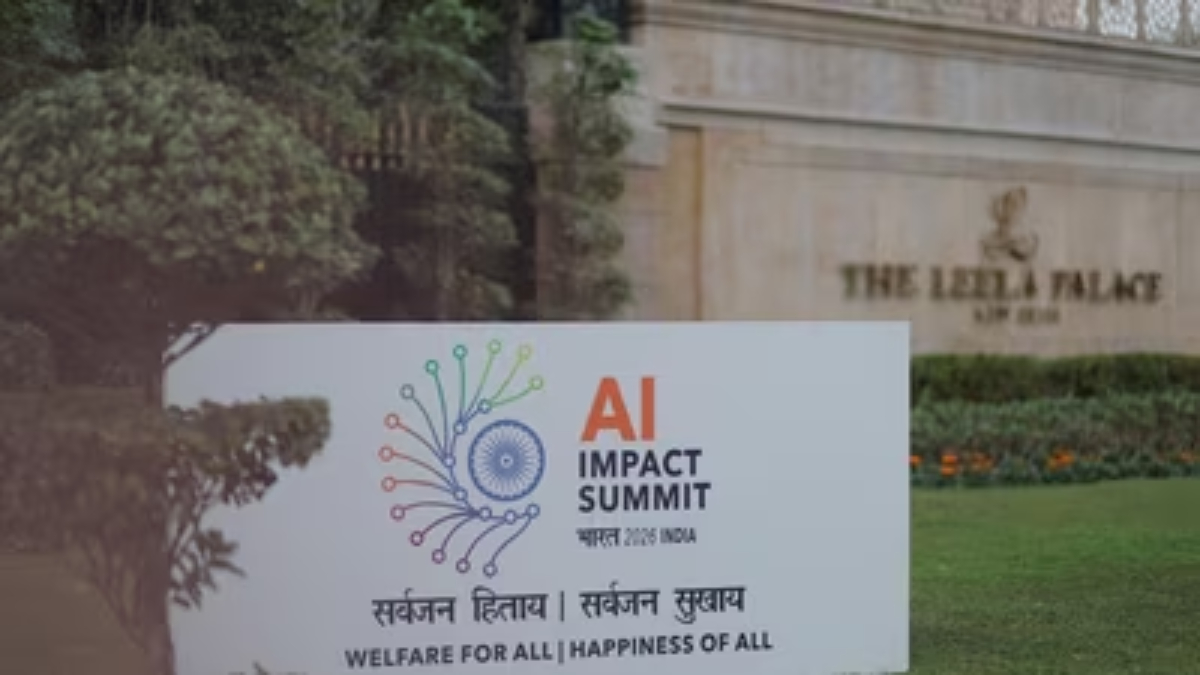
New Delhi, February 18, 2026: As the India AI Impact Summit 2026 officially unfolds at Bharat Mandapam, New Delhi has been transformed into a high-security, ultra-luxury fortress. With tech titans like Sundar Pichai, Sam Altman, and Jensen Huang descending upon the capital, the city’s premier five-star properties—led by The Leela Palace and Taj Palace—have rolled out the red carpet, blending traditional Indian hospitality with cutting-edge security and “smart” luxury.
A “G20-Level” Hospitality Offensive
The scale of the summit has prompted a hospitality response reminiscent of the 2023 G20 Summit. Hotels in the Diplomatic Enclave and Central Delhi have reportedly reached near-total occupancy, with room rates for flagship suites touching an unprecedented ₹25 lakh to ₹30 lakh per night.
The Leela Palace, New Delhi (Chanakyapuri)
The Leela Palace has positioned itself as a primary hub for global tech leaders. Beyond the gold-leaf ceilings and crystal chandeliers, the hotel has introduced:
- Curated Welcome Rituals: Guests are greeted with the “Leela Amrit” signature drink and personalized platters.
- Intuitive Dining: Executive Chef Karan Thakur has spearheaded a menu that balances global dietary trends with regional Indian superfoods (millets), catering to the specific health-conscious profiles of Silicon Valley executives.
- Enhanced Security: The hotel has integrated advanced surveillance systems and dedicated 100-person police teams to manage the movement of high-net-worth individuals.
Taj Palace, New Delhi
The Taj Palace remains a favorite for larger government delegations and CEOs.
- The Presidential Surge: The hotel’s legendary suites, often used by heads of state, are being utilized for private “fireside chats” and bilateral tech negotiations.
- Logistical Precision: Situated close to the summit venue, the Taj has synchronized its concierge services with the Delhi Traffic Police’s “green corridors” to ensure seamless transit for VIP convoys.
The Economics of Scarcity: Pricing Peaks
The surge in demand has created a “price shock” across the National Capital Region (NCR). While the Hotel Association of India (HAI) maintains that weighted averages remain between ₹40,000 and ₹60,000, the reality for last-minute bookings or premium inventory is far more extreme:
- The Oberoi: Luxury suites have been listed at ₹25 lakh, with even standard rooms seeing a tenfold increase.
- The Lodhi: Famous for its private plunge pools, the hotel saw rates for deluxe rooms climb to over ₹3 lakh.
- Spillover Effect: The demand is so high that delegates are booking luxury properties as far as Gurugram (The Leela Ambience) and Noida (Savoy Suites), where prices have also tripled.
Tech Meets Tradition: Special Amenities
To cater to the “AI crowd,” these 5-star hotels are not just offering luxury; they are offering efficiency:
- High-Speed Dedicated Bandwidth: Hotels have upgraded their digital infrastructure to support the massive data needs of tech-heavy delegations.
- Wellness Concierge: Recognizing the “summit fatigue,” properties have introduced 24/7 spa access and in-room meditation tech.
- Cultural Tours: Curated itineraries—from sunrise Taj Mahal trips to shopping at Khan Market—are being offered to delegates looking to extend their stay into the weekend.
Security: The Invisible Guest
Security is the most significant “unseen” service. Following government mandates, ten key hotels have been placed under the direct supervision of DCP-rank officers. Measures include:
- Anti-Drone Systems: Deployed on rooftops of major properties in the Diplomatic Enclave.
- AI Surveillance: Ironically, the hotels are using the very technology being discussed at the summit—AI-powered facial recognition and automated number plate recognition (ANPR)—to monitor perimeters.
Looking Ahead
The AI Impact Summit 2026 is proving to be more than a policy event; it is a stress test for India’s luxury hospitality sector. As the curtains close on February 20, the industry expects a “halo effect,” further solidifying Delhi’s reputation as a world-class destination for high-stakes global diplomacy and technological exchange.