

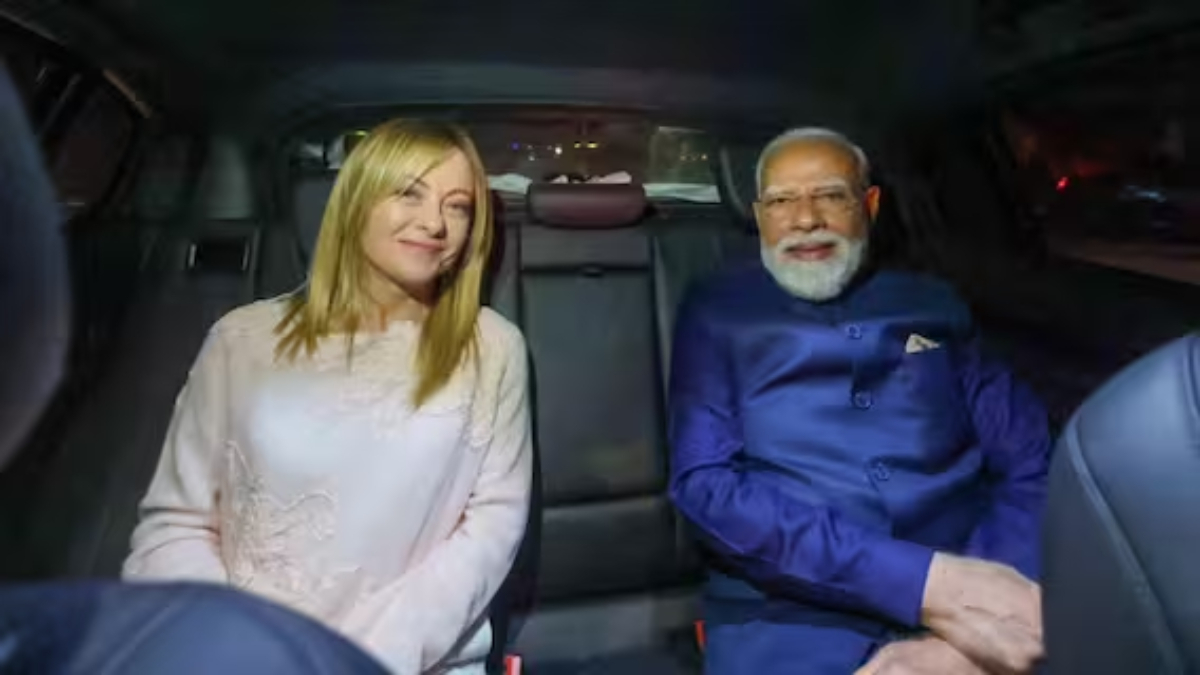
New Delhi, May 22, 2026 — In a brilliant stroke of digital age diplomacy, Indian Prime Minister Narendra Modi transformed a long-running internet meme into a real-world reality. On May 19, 2026, during the final leg of his five-nation global tour, PM Modi presented Italian Prime Minister Giorgia Meloni with a simple packet of India’s iconic “Melody” toffees.
The playful gesture, which immediately racked up over 100 million views on social media, brought a massive smile to Meloni’s face. In a cheerful video selfie filmed alongside Modi in Rome, a beaming Meloni showed off the classic yellow-and-brown wrapped candies, saying, “Prime Minister Modi brought us a gift… a very, very good toffee—Melody!”
While the internet erupted into a predictable frenzy of nostalgia and humor, the lighthearted exchange wasn’t just a gimmick. Beneath the sweet, chocolatey layers of the viral “#Melodi” moment lay a highly strategic, high-stakes diplomatic visit that solidified a powerful future for India-Italy relations.
The Birth of a Diplomatic Meme Brand
For those unfamiliar with Indian popular culture, Melody—a chewy caramel candy with a rich chocolate center manufactured by Parle Products—carries deep multi-generational nostalgia. Famous for its decades-old marketing catchphrase, “Melody itni chocolaty kyun hai?” (Why is Melody so chocolatey?), the candy is a ubiquitous staple of Indian childhoods.
The internet, being the untamed creative space that it is, long ago combined the surnames of the two leaders—Meloni and Modi—to coin the viral portmanteau “#Melodi.” The trend began building during the G20 Summit and skyrocketed during the COP28 summit in Dubai, where PM Meloni herself leaned into the joke by uploading a selfie with the hashtag.
By physically bringing a bag of the namesake candies to Rome, PM Modi signaled a modern, self-aware approach to public relations. It humanized a complex geopolitical relationship and proved that both world leaders know exactly how to connect with the digital generation.
Car Diplomacy and Sunset Walks
The “Melody moment” was just the opening act of an evening designed to showcase an incredibly warm, personal rapport. Following a formal dinner upon Modi’s arrival in Rome, the two leaders engaged in what local observers called “car diplomacy,” driving together through the streets of the historic capital.
They capped off the evening with a late-sunset walk through the ruins of the iconic Colosseum. Photographed leaning against a scenic stone railing overlooking the Roman skyline, the visual contrast was striking: PM Modi wore a crisp, dark navy blue bandhgala suit, while PM Meloni opted for a light pink embroidered traditional-fusion top.
Cultural exchange was woven tightly into the schedule. PM Modi took time during his brief visit to view works by renowned Italian painter Giampaolo Tomassetti. Tomassetti, who has spent over four decades studying Indian heritage, presented Modi with a breathtaking painting of Varanasi (Kashi), highlighting a profound artistic bridge between European talent and ancient Indian Vedic traditions.
Beyond the Candy: Serious Strategic Business
While social media focused heavily on the toffees, the core purpose of the meeting was to advance major economic, technological, and defensive pacts. Over the last few years, the relationship between New Delhi and Rome has quietly transformed into one of Europe’s most vital partnerships.
During formal bilateral negotiations, India and Italy officially advanced their implementation of the Joint Strategic Action Plan (2025–2029). The comprehensive framework addresses critical areas of modern governance:
-
Trade and Economics: Bilateral trade between the two nations surged to a staggering $16.77 billion, with cumulative Foreign Direct Investment (FDI) firmly establishing Italy as a primary investor in the Indian market.
-
Defense & Maritime Security: With volatile geopolitical shifts in the Indo-Pacific and Mediterranean, both nations agreed to co-develop defense technologies and expand naval cooperation.
-
The IMEC Corridor: Key discussions focused heavily on pushing forward the India-Middle East-Europe Economic Corridor (IMEC), a monumental connectivity project aimed at bypassing traditional shipping bottlenecks to link Indian ports directly to Europe via a network of rails and sea routes.
A Rising European Partnership
Italy, functioning as the European Union’s third-largest economy, increasingly views India as an essential alternative supply chain partner and economic counterweight in Asia. Conversely, New Delhi looks at Rome as a vital gateway into the broader European industrial and innovation ecosystem, particularly in fields like artificial intelligence and clean green energy.
The visit concluded with expectations that the two nations will soon formally elevate their ties to a “Special Strategic Partnership,” giving them tighter alignment on global policy.
As PM Modi departed Rome to head back to New Delhi, he left behind a relationship that is arguably at an all-time high. It is a partnership that balances hard, cold strategic metrics with genuine warmth—proving that sometimes, the most effective icebreaker in global politics costs just one rupee.