

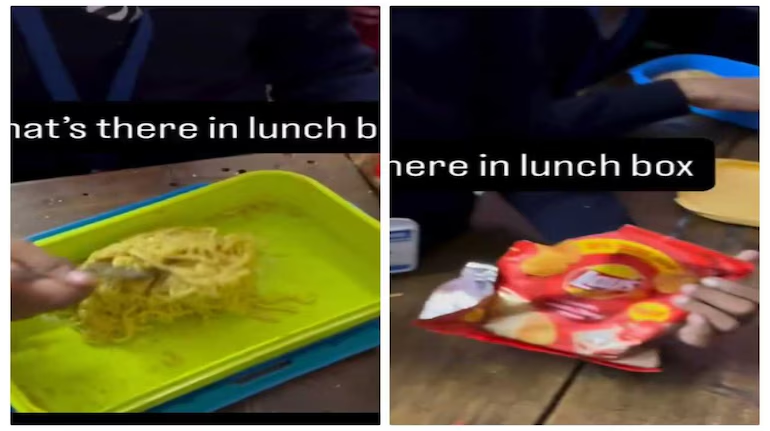
New Delhi, January 14, 2026: A concerning trend has been highlighted by a recent viral video showcasing the contents of primary school lunchboxes. Instead of the traditional sandwiches or fruit, many containers were seen filled with brightly colored bags of chips, instant noodles, and neon-orange cheese balls. This footage has sparked a massive debate across social media platforms regarding the nutritional quality of meals provided to children. The convenience of pre-packaged snacks is being prioritized over fresh, whole foods, leading to widespread alarm among pediatricians and educators alike.
The Shift Toward Convenience
It is observed that the modern lifestyle often leaves parents with little time for elaborate meal preparation. Consequently, the reliance on ultra-processed items has reached an all-time high. These snacks are frequently chosen because they are inexpensive, shelf-stable, and highly appealing to young palates. However, the nutritional void left by such choices is significant. It is argued by experts that the high sodium, artificial coloring, and preservative content found in these snacks can have immediate effects on a child’s concentration and energy levels during the school day.
Also Read: Viral Video of Mother at Old-Age Home Revealed as Scripted
Long-Term Health Implications
Serious health concerns are being raised by medical professionals who viewed the viral clips. A diet dominated by chips and instant noodles is linked to a lack of essential vitamins and fiber. Over time, this dietary pattern is associated with an increased risk of childhood obesity and early-onset metabolic issues. The heavy processing of these “lunchbox staples” often involves high levels of saturated fats and hidden sugars, which are known to contribute to long-term cardiovascular concerns if habits are not corrected in early childhood.
Navigating the Educational Environment
The role of schools in monitoring these dietary habits is also being questioned. While many institutions have healthy eating policies, the enforcement of such rules is often difficult. It has been suggested that a collaborative approach between schools and parents is necessary to ensure that children receive the fuel required for cognitive development. Educational programs aimed at teaching children about food sources are being proposed as a way to shift the culture away from high-energy, low-nutrient snacks.
A Call for Nutritious Alternatives
The viral sensation serves as a wake-up call for many households. It is recommended that small, incremental changes be made to transition back to balanced meals. Whole grains, fresh vegetables, and lean proteins are being championed as the gold standard for mid-day fuel. Although the convenience of a bag of chips is undeniable, the long-term investment in a child’s health through better nutrition is considered far more valuable. This viral moment is hoped to be the catalyst for a broader movement toward healthier school environments.