

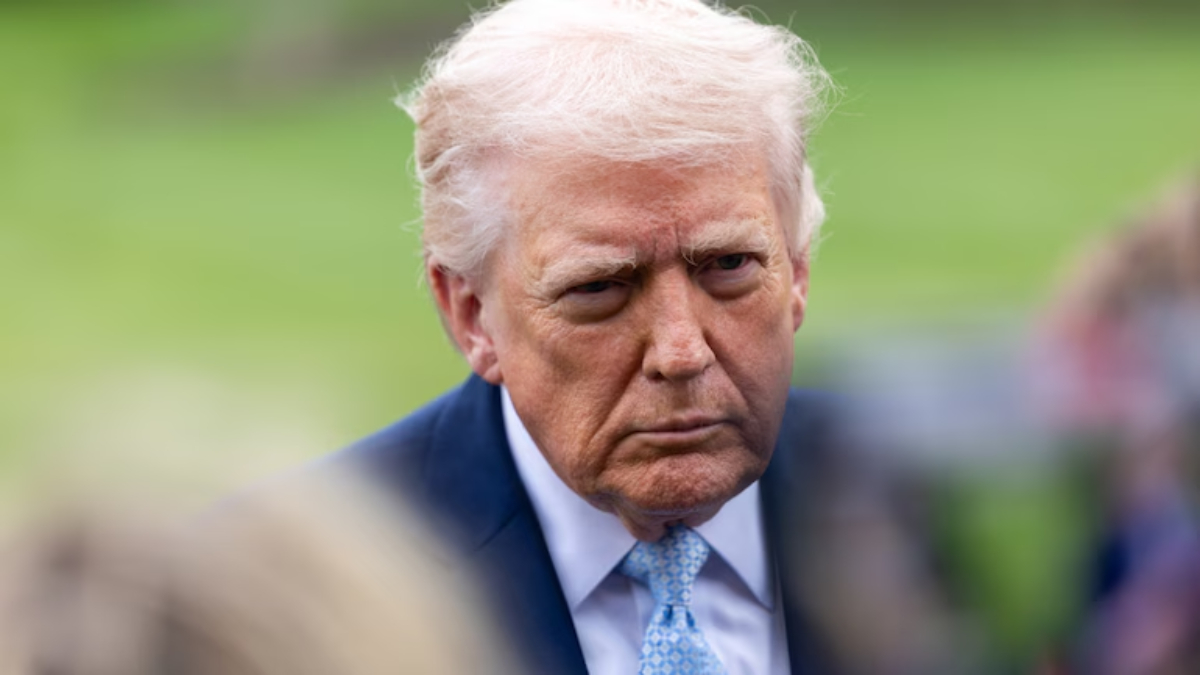
New Delhi, March 31, 2026 — President Donald Trump has signaled a growing desire to wind down military operations against Iran, sparking a significant diplomatic rift with key Middle East allies. While the White House explores potential “exit ramps” and direct negotiations with Tehran, a coalition of Gulf nations—led by Saudi Arabia and the United Arab Emirates (UAE)—is reportedly lobbying for the U.S. to stay the course and deliver a “decisive” blow to the Iranian regime.
The President’s Pivot: A Return to “America First”?
After a month of intense U.S.-led aerial campaigns, President Trump has hinted that the Iranian leadership is “ready to settle.” During recent remarks, the President expressed a preference for a 15-point diplomatic plan, citing “productive” back-channel talks.
The primary drivers for this potential exit appear to be twofold:
- Economic Pressure: The conflict has sent global oil prices soaring, with Brent crude nearing $116 a barrel. To stabilize the market, the Trump administration recently issued a 30-day sanctions waiver to allow the sale of Iranian crude already at sea.
- Domestic Interests: With a reported death toll exceeding 3,000 across the region and growing concerns over a global recession, Trump is eager to fulfill his campaign promise of ending “forever wars” and lowering energy costs for American consumers.
Why Arab Allies Want “Decisive Fire”
In a sharp reversal from their initial hesitation at the war’s onset, regional powers are now urging Washington not to stop prematurely. Sources indicate that Saudi Crown Prince Mohammed bin Salman and UAE officials have privately conveyed that ending the war now would be a strategic failure.
Their push for continued or intensified military action is fueled by several critical factors:
1. The “Half-Finished” Threat Gulf diplomats argue that the current bombing campaign has degraded but not “defanged” Iran. They fear that an early exit would leave Iran’s clerical leadership and its ballistic missile program intact, allowing Tehran to regroup and launch more aggressive retaliatory strikes against its neighbors in the future.
2. Direct Retaliation The UAE, in particular, has become a primary target during this month of conflict, sustaining over 2,300 missile and drone attacks. Having already suffered the brunt of the Iranian response, Abu Dhabi reportedly views this as a “historic opportunity” to permanently neutralize the threat to its status as a global trade and tourism hub.
3. Seeking a “Good Deal” Riyadh has warned the White House that a premature ceasefire would not produce a “good deal” for regional security. The Gulf states are demanding a settlement that ensures:
- The permanent neutralization of Iran’s nuclear program.
- The total dismantling of Iran’s regional proxy network.
- Guaranteed open passage through the Strait of Hormuz, which Iran has threatened to close.
A Region Divided
While Saudi Arabia and the UAE lead the hawkish charge—with some reports suggesting the UAE is even pushing for a ground invasion—the region remains divided. Oman and Qatar continue to advocate for a diplomatic solution, acting as intermediaries to prevent a total regional meltdown.
As President Trump vacillates between the role of a “deal-maker” and a “warrior,” the coming days will determine if the U.S. opts for a swift withdrawal or heeds the calls of its allies to finish what started as a limited campaign but has morphed into a struggle for regional dominance.