

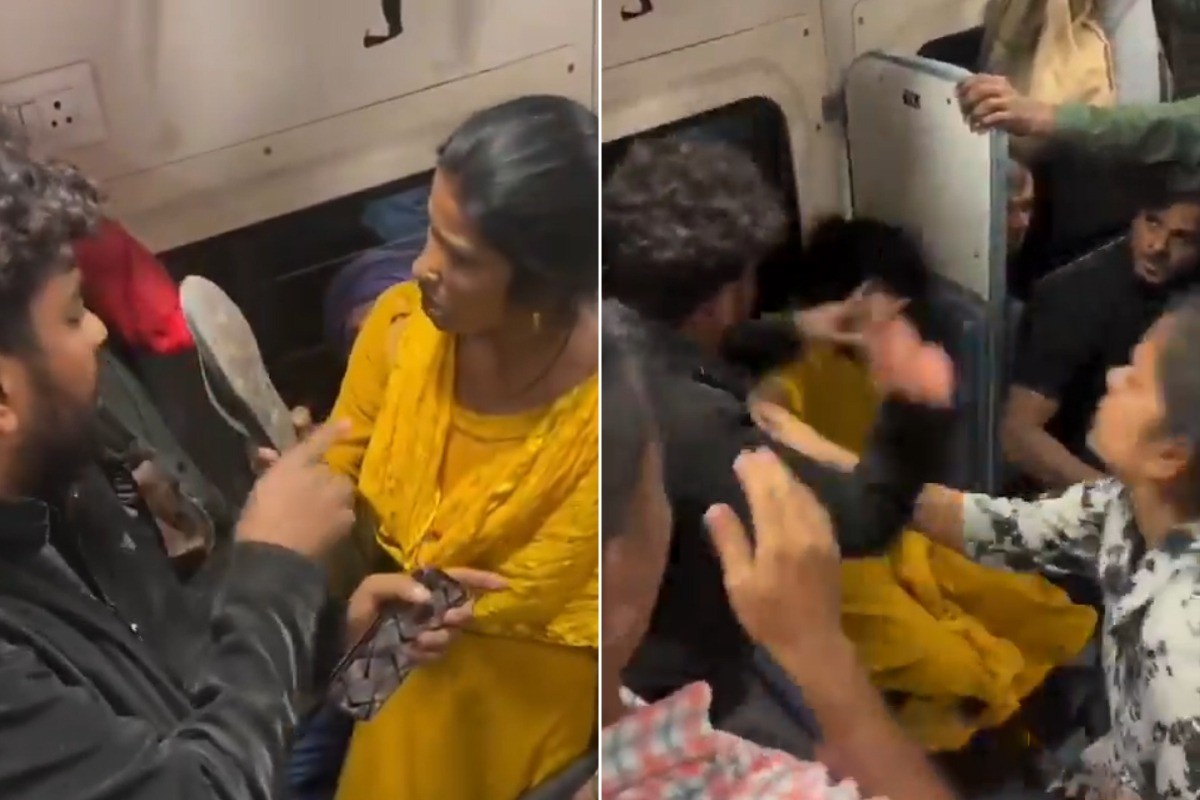
New Delhi, March 13, 2026: A significant wave of public concern and digital debate has been triggered across social media platforms following the emergence of a distressing viral video recorded within a train coach. In the footage, which gained massive traction in mid-March 2026, a woman is observed repeatedly hurling verbal insults at a male passenger. It is noted that the confrontation, which allegedly began over a minor seating or luggage dispute, was allowed to fester before escalating into a full-scale physical altercation. This raw and unfiltered look at commuter aggression has been widely shared as a primary example of the shrinking patience and rising tensions found in public transport environments.
The Mechanics of the Escalating Confrontation
The specifics of the verbal exchange and the eventual transition to physical violence are being meticulously discussed by netizens and railway authorities. It is observed in the viral reports that the man attempted to ignore the initial provocations, but the situation was pushed beyond a breaking point by the woman’s persistent harassment. It is reported by several digital observers that the argument reached a climax when a physical strike was initiated, leading to a chaotic struggle that involved other passengers attempting to intervene. The visual of the crowded coach becoming a ring for physical combat has provided a grounding narrative for the lack of effective conflict resolution in high-pressure transit settings.
Also Read: Social Media Erupts Over Viral Clip of the Clintons Near Traffic
Social Media Reacts: A Symphony of Outrage and Safety Concerns
A massive conversation regarding “public behavior” and the safety of passengers in unmonitored coaches has been ignited by this digital revelation. It is noted that the video was met with an outpouring of criticism, with many netizens remarking that “such behavior is unacceptable regardless of the provocation.” The lack of immediate intervention by railway security is being widely discussed as a major failure in passenger protection. Thousands of analytical comments have been left by users who expressed their alarm, stating that such videos serve as a stark reminder of the vulnerability of everyday commuters when civil discourse is abandoned for physical aggression.
Impact on Railway Security and Behavioral Enforcement
The impact of this viral event has extended beyond simple internet shock to influence a broader discussion on the role of the Railway Protection Force (RPF) in preventing spontaneous brawls. It is frequently mentioned by regular commuters that a more visible security presence is needed to deter individuals from resorting to violence in public spaces. A renewed sense of urgency is being observed among railway officials to implement stricter penalties for those found guilty of creating a public nuisance or engaging in physical assault on board. It is believed that the viral nature of this specific “Train Fight Video” will prompt a dialogue on the necessity of real-time reporting apps that can alert authorities to simmering tensions before they boil over.
A Stark Reminder of Declining Public Decorum
As the footage continues to accumulate millions of views in late March 2026, it serves as a powerful and resilient reminder that public spaces require a foundation of mutual tolerance and restraint. It is believed that the story of the “Train Coach Altercation” will remain a primary highlight of the month’s most discussed and socially impactful commuter news. The legacy of this viral event is expected to be a heightened public awareness of the legal consequences of physical assault in public areas. Until a culture of respect is restored to the daily commute, this video remains a stark testament to the fact that on the tracks, the journey is often derailed by the volatility of the human temper.