

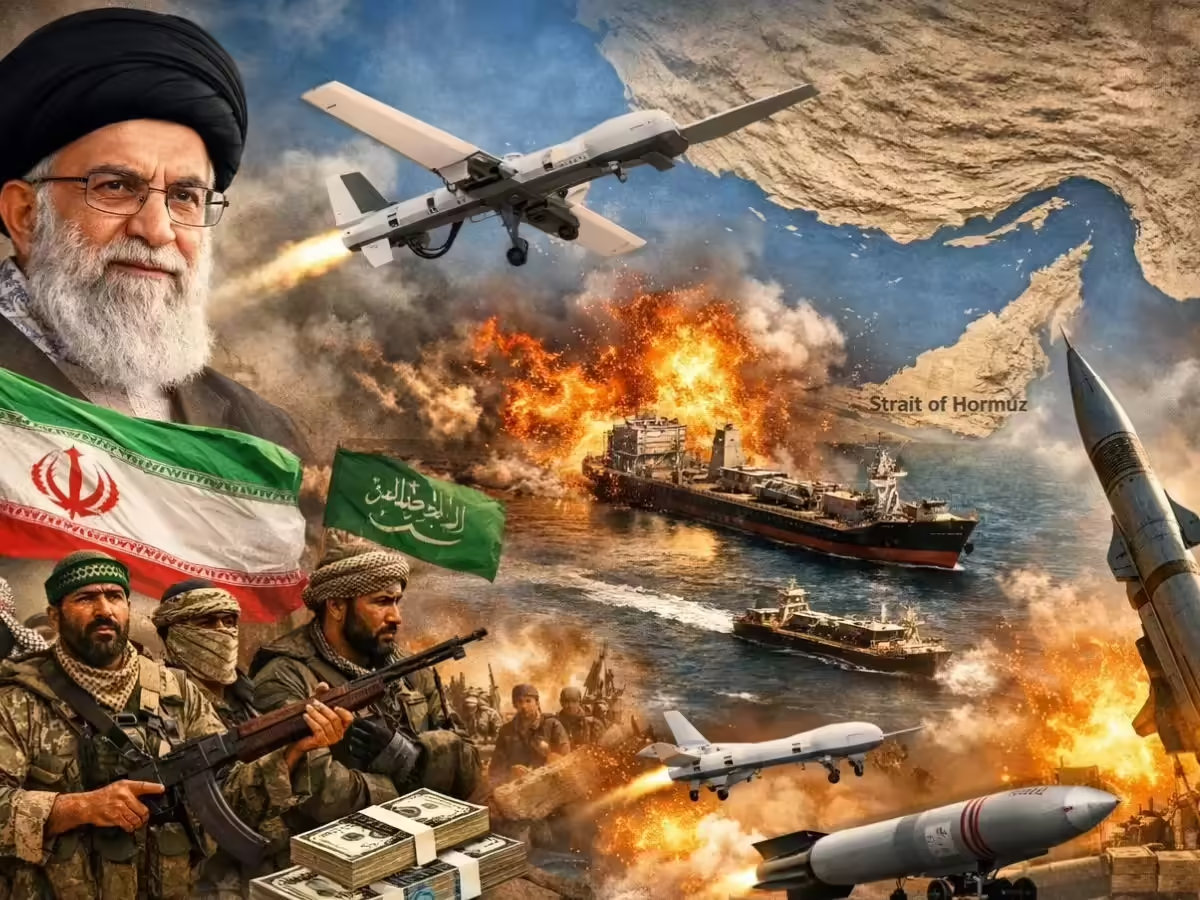
New Delhi, March 14, 2026: A significant wave of geopolitical analysis and digital debate has been triggered across global platforms following the circulation of a compelling viral video regarding Iran’s military doctrine. In the footage, which gained massive traction in mid-March 2026, the resilience of the Iranian state is observed despite persistent and unverified rumors concerning the elimination of Supreme Leader Ali Khamenei. It is noted that the nation’s refusal to yield to external pressures is being attributed to a deeply embedded structural framework rather than a single individual. This analytical visual has been widely shared as a primary explanation for why the regional power structure remains intact even during moments of perceived leadership crisis.
The Mechanics of the 40-Year-Old Asymmetric Plan
The specifics of a secretive, forty-year-old “asymmetric” war plan are being meticulously discussed by defense experts and strategic analysts in the wake of this digital revelation. It is observed in the viral reports that the Iranian military apparatus was designed specifically to function without a centralized command during times of extreme duress. It is reported by several digital observers that this doctrine prioritizes decentralized cells, proxy networks, and unconventional maritime tactics that are intended to exhaust technologically superior adversaries. The visual of these strategic layers has provided a grounding narrative for how the nation’s defense policy has been “future-proofed” against the loss of high-ranking officials.
Also Read: A Prank on Mother Backfires Hilariously in Viral Clip
Global Reactions: A Symphony of Strategic Skepticism and Insight
A massive conversation regarding the effectiveness of “decapitation strikes” and the reality of modern ideological warfare has been ignited by this viral breakdown. It is noted that the video was met with an outpouring of intense discussion, with many netizens remarking that “an ideology cannot be eliminated as easily as a person.” The Iranian Revolutionary Guard Corps (IRGC) is being widely discussed as the primary enforcer of this decentralized plan, ensuring that operational continuity is maintained regardless of changes in the Supreme Leadership. Thousands of analytical comments have been left by users who expressed their intrigue, stating that such videos serve as a stark reminder of the complexities of Middle Eastern power dynamics.
Impact on International Diplomacy and Military Readiness
The impact of this viral event has extended beyond simple internet speculation to influence a broader discussion on the future of international sanctions and military posturing in the Gulf. It is frequently mentioned by diplomatic analysts that the reveal of this asymmetric plan complicates the “maximum pressure” campaigns often utilized by Western powers. A renewed sense of caution is being observed among regional neighbors, many of whom are now reportedly reassessing the risks of a direct confrontation with a nation optimized for irregular warfare. It is believed that the viral nature of this specific “Asymmetric Plan Video” will prompt a dialogue on the necessity of new diplomatic approaches that account for institutionalized resistance.
A Stark Reminder of Institutional Continuity
As the footage continues to accumulate millions of views in late March 2026, it serves as a powerful and resilient reminder that state power is often more durable than the individuals who wield it. It is believed that the story of “Iran’s Unyielding Blueprint” will remain a primary highlight of the month’s most discussed and socially impactful geopolitical features. The legacy of this viral event is expected to be a heightened public awareness of how long-term military planning can shield a nation from sudden leadership vacuums. Until the regional situation reaches a definitive resolution, this video remains a stark testament to the fact that in the world of high-stakes conflict, the plan is often more important than the man.