Home Blog Page 17

Manipur Violence Flares Again: 3 Hurt in Early Morning Gunfight

0

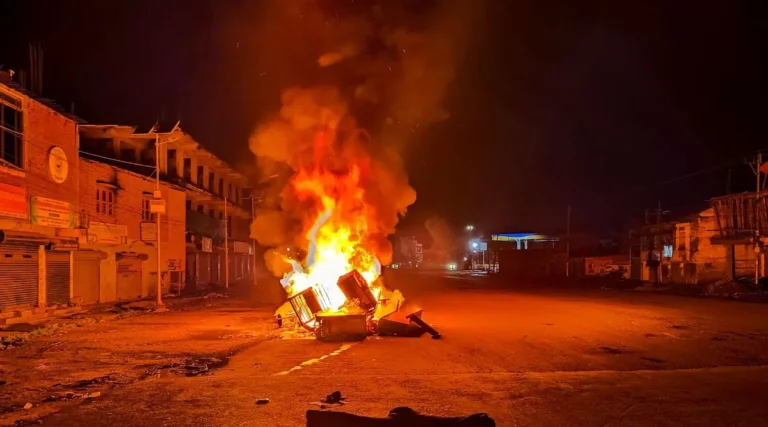
June 16, 2026 — Tension has escalated significantly across Manipur following a fresh armed confrontation in the early hours of Monday morning, leaving at least three people seriously injured. The incident, which involved a heavy exchange of fire between armed rival groups, occurred in the buffer zones of Kangpokpi district. The violent episode has further strained the fragile security situation in the state, sparking widespread local demonstrations that forced security forces to deploy tear gas shells and baton charges in the capital city of Imphal.

The Firing Incident in Kangpokpi

According to official state security sources, the armed confrontation began around 6:00 AM on Monday in an area situated between the villages of Leilon Vaiphei and Konsakhul in the Kangpokpi district. The sound of heavy gunfire and explosives shattered the early morning calm, triggering widespread panic among local residents who fled their homes to seek safety.

Reports indicate that the gunfight lasted for approximately thirty to forty minutes as armed groups traded shots using sophisticated weapons. The exchange of fire continued intensely until combined teams of central security forces and state police rushed to the flashpoint to intervene. Upon seeing the arrival of heavy military reinforcements, the armed attackers retreated into the surrounding hilly terrain.

Security personnel conducting a search-and-rescue operation at the site discovered three individuals with severe bullet and splinter injuries. The casualties were identified by local organizations as teenagers Genlenmang Vaiphei (15) and Paogoulal Chongloi (18) — a local footballer — alongside 20-year-old Lunliandaw Vaiphei. Security forces initially administered emergency first aid at a nearby military facility before transporting the injured individuals to the capital city for specialized medical care under heavy security escorts.

Hospital Protests and Security Crackdown in Imphal

The transfer of the three wounded individuals to the Regional Institute of Medical Sciences (RIMS) in Imphal quickly triggered a secondary security crisis. As news spread that the injured persons had been admitted to the state-run medical facility, an agitated crowd assembled outside the hospital’s main gates.

The demonstrators, claiming that the injured individuals were active insurgents involved in attacks against neighboring villages, demanded that medical authorities deny them treatment and remove them from the valley area. The gathering quickly transformed into a volatile mob, chanting slogans against the security forces for bringing the injured individuals into the capital.

As the crowd attempted to breach the hospital perimeter, the deployed security forces intervened to protect the medical staff and patients. The situation rapidly deteriorated into violent clashes, with the mob pelting stones at the security contingents. To prevent the crowd from storming the hospital wards, personnel from the state police and central paramilitary forces used batons and fired multiple rounds of tear gas shells to disperse the protestors. The entire hospital zone remained cordoned off by heavily armed units for the remainder of the day to ensure safety.

Conflicting Claims by Community Organizations

The fresh wave of violence has brought conflicting narratives from various tribal and community organizations to the forefront, showcasing the deep ethnic polarization within the region:

  • Kuki-Zo Representative Bodies: The Kuki Inpi Manipur (KIM) and the Vaiphei People’s Council strongly condemned the early morning attack, describing it as an unprovoked bombing of civilian settlements. They asserted that the three injured youths were “village volunteers” and students defending their homes against aggressive armed factions. The organizations expressed deep concern over the hospital protests in Imphal, stating that denying medical treatment to wounded youths is an inhuman violation of basic human rights.
  • Naga Village Authorities: Conversely, local sources representing the Naga villages near Konsakhul stated that village guards had acted entirely in self-defense. They claimed that armed groups had advanced toward their settlements using automatic weapons and explosives, necessitating a retaliatory response to prevent the occupation of their traditional lands.

A Deepening Humanitarian Crisis

This latest flare-up comes against the backdrop of a highly volatile security ecosystem in Manipur, which has faced waves of ethnic friction over the past few years. The conflict, which initially began between the valley-dwelling majority and the hill tribes, has increasingly fractured into complex multi-cornered disputes involving various hill communities over territorial boundaries, village defense initiatives, and historical grievances.

The political and social landscape has been further complicated by a devastating hostage crisis that occurred in May, where several tribal citizens were abducted. The recent recovery of the mutilated bodies of six hostages has reignited deep-seated anger across the state, prompting civil society groups and opposition political parties to demand the immediate dissolution of the current state assembly and the imposition of emergency measures to restore public trust.

To curb the spread of inflammatory rumors and prevent further mobilization of mobs, district administrations have reinforced strict indefinite curferes in both the Imphal East and Imphal West districts. Furthermore, high-speed mobile internet services have been temporarily suspended in the affected sectors to disrupt the coordination of unlawful assemblies. The Union Home Ministry has reportedly directed additional central paramilitary companies to the state to assist local administration in maintaining law and order along the critical highway corridors and buffer zones.

Current Ground Situation

At present, the situation in Kangpokpi and the capital city of Imphal remains highly sensitive but under tight military control. Joint security forces are conducting extensive combing operations in the hills surrounding Leilon Vaiphei and Konsakhul to track down the armed groups responsible for initiating the gunfire.

Civil society leaders from all sides are being urged by state authorities to exercise maximum restraint and prevent the dissemination of unverified information on social media platforms. Meanwhile, medical officials at RIMS have confirmed that the three injured individuals are stable but remain under close observation within a heavily fortified perimeter.

For a detailed look at the public reaction and visual updates regarding the protests that followed this incident, you can watch this News9 Report on the Manipur Firing. This video provides direct reporting on the heavy security deployment and the demonstrations that erupted outside the hospital premises in Imphal.

Apple iPhone 18 Pro Max: Expected Price in India, New Colours, and All Major Upgrades Leaked So Far

0

New Delhi, June 16, 2026: The excitement in the tech world is reaching a fever pitch as we move closer to Apple’s traditional autumn hardware event. While the launch is still a few months away, a massive wave of leaks, hands-on dummy images, and supply chain reports have already revealed almost everything about the highly anticipated iPhone 18 Pro Max. Positioned as Apple’s ultimate flagship for 2026, the device is shaping up to be a true powerhouse, bringing massive jumps in processing technology, camera engineering, and on-device artificial intelligence. Here is an updated look at what we know so far about the iPhone 18 Pro Max, including expected Indian pricing, stunning new colorways, and a breakdown of its top features.

Expected Price in India and Launch Timeline

Apple is expected to stick to its tried-and-tested launch schedule, meaning the iPhone 18 Pro Max will likely be unveiled in early September 2026, alongside a refreshed iPhone 18 Pro and potentially a groundbreaking foldable iPhone.

When it comes to the price in India, initial reports sent a wave of relief through the tech community. Despite massive investments in a next-generation 2-nanometer processor and mechanical camera parts, early leaks suggest Apple is trying hard to keep the starting price steady. In India, the base variant of the iPhone 18 Pro Max (expected to start at 256GB storage) is anticipated to launch at above ₹1,50,000, aligning closely with the previous year’s premium tier. However, for power users looking to maximize their device, Apple is rumoured to introduce a massive 2TB storage variant this year. This ultra-high storage capacity, combined with heavy import duties and local taxes, could push the top-end variant well past the ₹2,00,000 mark.

Fresh New Colours: Say Hello to “Dark Cherry”

Apple always introduces a signature hero colour for its Pro lineup, and 2026 is bringing an exceptionally gorgeous change. According to leaked dummy models and hands-on prototype images shared by reliable tech insiders, Apple is ditching the brighter orange and gold tones of the past. The star of the show this year is a stunning Dark Cherry finish. This shade beautifully blends rich red and soft pink-purple tones, giving the phone an incredibly sophisticated and unique look.

Alongside the show-stopping Dark Cherry, the iPhone 18 Pro Max will be available in three other premium options. Light Blue makes a return with a slightly deeper, more striking hue than previous iterations. For those who prefer a classic, stealthy appearance, a true Black is making a comeback, utilizing a two-tone design that pairs a dark matte rear panel with a contrasting deep black camera island. Finally, a traditional, clean Silver option will round out the four-colour palette, giving buyers plenty of elegant choices. Supply chain leaks also hint that Apple has refined its rear glass manufacturing to perfectly match the color of the anodized titanium-aluminum frame, giving the phone a completely seamless, unified look.

Design and Display: A Slimmer Dynamic Island

At first glance, the iPhone 18 Pro Max will retain the familiar premium form factor of its predecessor, sporting a massive 6.9-inch screen. However, look a bit closer, and you will notice a significant upgrade on the front. Apple has reportedly managed to move several key Face ID components directly underneath the display panel. This engineering feat allows the iconic Dynamic Island to shrink by roughly 35 per cent. This means users will get more usable screen real estate and fewer distractions while watching videos or playing games.

The display itself is getting a boost to a new LTPO+ OLED panel. While it maintains the smooth 1Hz to 120Hz ProMotion refresh rate, the “+” version is engineered to be substantially more energy-efficient and capable of pushing outdoor peak brightness closer to an astonishing 3,000 nits. Interestingly, hands-on leaks note that the device might be a fraction of a millimeter thicker this year to accommodate a slightly bulkier, heavy-duty camera housing and a larger internal battery.

The Headliner: A DSLR-Like Variable Aperture Camera

The camera system is where the iPhone 18 Pro Max truly separates itself from older generations. Apple is finally moving away from fixed-lens setups on its primary shooter. The main 48MP camera will feature a mechanical variable aperture system. Just like a professional DSLR camera, this allows the lens physical control over how much light enters the sensor depending on the lighting conditions. In bright daylight, the aperture will narrow to capture sharp, deep-focus landscapes. In low-light environments, it will widen physically to pull in maximum light, drastically reducing image noise and producing a beautiful, natural background blur (bokeh) without relying on software tricks.

The upgrades don’t stop there. The telephoto lens is receiving a larger aperture for vastly improved low-light zoom performance, and the front-facing selfie camera is getting a long-overdue upgrade from 12MP to a sharp 24MP sensor featuring Apple’s Center Stage technology. There are also strong whispers that the device will support crisp 8K video recording for professional filmmakers.

Next-Gen Power: The 2nm A20 Pro Chip and C2 Modem

Under the hood, the iPhone 18 Pro Max will be an absolute beast. It is slated to feature the brand-new A20 Pro chipset, which will be Apple’s first processor built on TSMC’s cutting-edge 2-nanometer (2nm) manufacturing process. In simple terms, the components inside the chip are smaller than ever, making it incredibly fast yet gentle on the battery. Early performance projections estimate the A20 Pro will be roughly 15% faster in raw processing speed while consuming a massive 30% less power than the previous generation.

To take full advantage of advanced Apple Intelligence (AI) features, the chip will be paired with 12GB of RAM as standard across the Pro lineup. Apple is also rumoured to use a new Wafer-Level Multi-Chip Module (WMCM) packaging technique, which physically places the RAM closer to the processor core. This speeds up on-device AI tasks, making Siri and machine learning apps lightning-fast.

Finally, the iPhone 18 Pro Max will mark the debut of Apple’s custom, in-house C2 modem. Moving away from third-party communication chips, the C2 modem is built to offer advanced satellite-based 5G connectivity, faster download speeds, better cellular reception in dead zones, and enhanced hardware-level privacy features, such as the ability to block carrier location tracking. Combined with a rumored beefier battery capacity sitting somewhere around 5,100mAh, the efficiency of the 2nm chip could easily give users a genuine “two-day” battery life.

With a smaller notch, a revolutionary variable-aperture camera, a game-changing 2nm processor, and a gorgeous Dark Cherry outfit, the iPhone 18 Pro Max is sizing up to be one of the most substantial “Pro” upgrades Apple has delivered in years. Stay tuned as we approach September for the official confirmation!

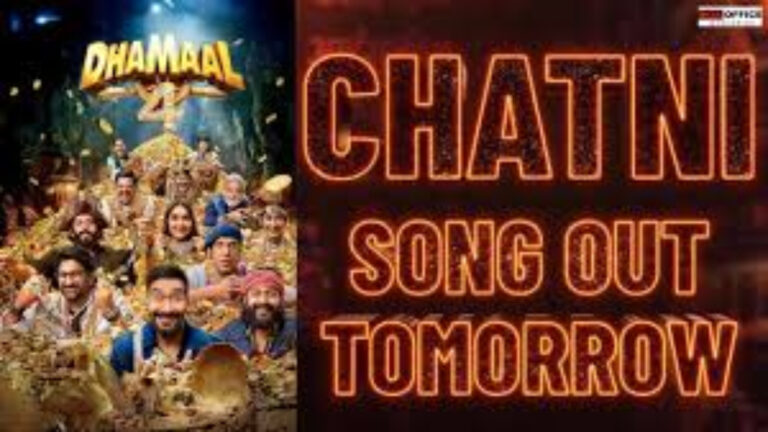
Dhamaal 4: ‘Chatni’ Song Out Now!

New Delhi, June 15, 2026: The official countdown to Bollywood’s wildest treasure hunt has officially begun, and it is kicking off with a massive musical bang. Following a spectacular trailer launch on June 12, 2026, the makers of Dhamaal 4 have dropped their first major track, titled ‘Chatni’ (officially Phulauri Bina Chatni Kaise Bani). Fronted by Bollywood superstar Ajay Devgn alongside a powerhouse ensemble cast, the vibrant track is a high-octane reimagining of a beloved regional folk favorite, engineered specifically to be the ultimate party anthem of the year.

Directed by franchise veteran Indra Kumar, the film is gearing up for a worldwide theatrical release next month on July 10, 2026. With ‘Chatni’ dominating social media trends within hours of its release, the promotional campaign for the fourth installment of this iconic comedy franchise has shifted into overdrive.

A Folk Classic Reborn for a Modern Dance Floor

The song ‘Chatni’ taps directly into India’s rich cultural roots by reviving the evergreen folk melody of Phulauri Bina Chatni Kaise Bani. The production team has smartly balanced traditional rhythms with high-energy modern beats, creating a crossover appeal that resonates with both rural and urban audiences.

The musical masterminds behind the track have meticulously woven together distinct artistic styles:

  • The Vocal Powerhouses: The track is voiced by prominent folk-pop sensation Neelkamal Singh alongside Bollywood’s definitive item-number specialist, Mamta Sharma (famed for Munni Badnaam Hui). Their contrasting yet complementary vocals give the song its sharp, playful edge.
  • The Production Team: Composed jointly by Neelkamal Singh and veteran music producer Aditya Dev, the music features slick electronic arrangements superimposed over raw dhol beats. The catchy, foot-tapping lyrics have been penned by Dheeraj Babuaan.

Star-Studded Madness and Ravi Kishan’s Swag

Visually, the music video is an absolute riot of colors, perfectly reflecting the chaotic energy of the Dhamaal universe. While Ajay Devgn brings his trademark cool-guy intensity and swagger to the screen, the true highlight of the music video is arguably Bhojpuri superstar and actor Ravi Kishan. Kishan, who joins the franchise as a major new addition, infuses the video with unparalleled energy, delivering perfectly timed comedic expressions and local flair.

The song serves as a grand showcase for the film’s massive ensemble cast. Fans get a glimpse of franchise veterans Arshad Warsi, Riteish Deshmukh, and Jaaved Jaaferi matching steps to the infectious choreography. Rising star Anjali Anand and the rest of the gang also join in on the madness, creating a visual spectacle that promises a massive family-entertainer experience. The vibrant and fast-paced dance moves were orchestrated by renowned choreographer Rahul Shetty, who ensured the steps were easy enough for fans to replicate in viral dance reels, yet energetic enough to light up the big screen.

The Maddest Treasure Hunt of 2026

The release of ‘Chatni’ comes right on the heels of the film’s official trailer launch, which took place during a massive, star-studded event at Imagicaa. The trailer introduces audiences to what the creators are billing as the franchise’s “biggest and craziest treasure hunt yet.”

While the plot details are being kept under wraps, the promotional material hints at a tropical adventure where the characters are “buried in gold” but plagued by their hilariously questionable morals. The franchise has always excelled at slapstick humor, bizarre situations, and legendary character dynamics. Dhamaal 4 aims to take that dynamic to a global scale with bigger production values and unexpected narrative twists.

The film boasts a massive line-up of comedic and dramatic talent, dividing the chaos among a stellar call sheet.

Production and Release Logistics

Dhamaal 4 is a massive collaborative effort among some of Bollywood’s biggest production houses. Presented by Gulshan Kumar and T-Series in association with Devgn Films, the movie is a joint production of T-Series Films, Maruti International, and Panorama Studios.

The heavy-hitter producer lineup includes Bhushan Kumar, Krishan Kumar, Ajay Devgn, Ashok Thakeria, Indra Kumar, Anand Pandit, and Kumar Mangat Pathak. Initially rumored for a different window, the studio finalized the official theatrical release date for July 10, 2026, positioning it as the definitive mid-summer comedy blockbuster.

With ‘Chatni’ already securing its place on radio playlists, streaming charts, and club rotations, the stage is perfectly set. If the chaotic energy, stellar cast, and infectious beats of this first track are any indication, Dhamaal 4 is well on its way to delivering a massive box-office performance and a much-needed dose of pure, unadulterated cinematic fun.

For an inside look at the musical production, check out this Dhamaal 4 Song Release Update detailing the cast’s involvement and the integration of Guru Randhawa and the regional folk elements into the movie’s soundtrack.

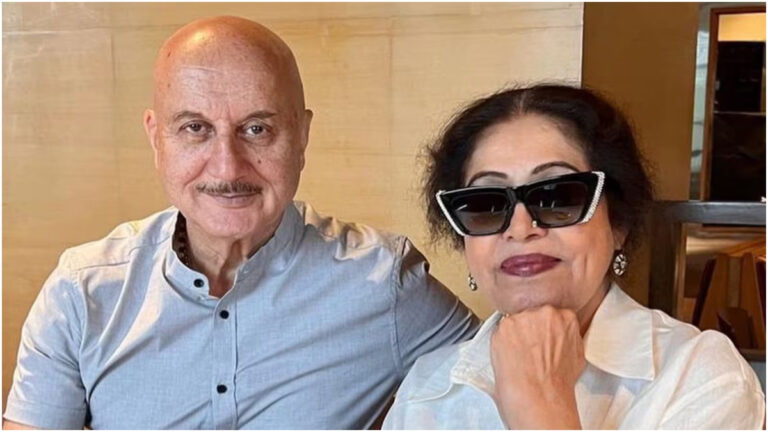
Anupam Kher Pens Heartfelt Tribute for Wife Kirron Kher’ Birthday

New Delhi, June 15, 2026 — In an industry where relationships often come and go with the seasons, veteran actors Anupam Kher and Kirron Kher stand as a rare symbol of enduring companionship. Marking his wife’s birthday, Anupam Kher took to social media to share a deeply moving and personal tribute that reflects on a bond spanning over half a century.

The couple, who married in August 1985, have navigated decades of personal triumphs, artistic collaborations, and severe health crises hand-in-hand. Anupam’s heartfelt message struck a chord with millions of fans online, proving that their partnership is anchored in mutual respect, silent lessons, and an unshakeable friendship.

A Journey of 52 Years: From Theatre to Tinsel Town

Anupam Kher began his emotional note by putting their long history into perspective. He revealed that his connection with Kirron dates back long before they became household names in Bollywood.

The duo first crossed paths in the 1970s at the Department of Indian Theatre in Chandigarh. At the time, Kirron was a senior and a bona fide college star—not only taking center stage in English theater productions but also representing India internationally in badminton alongside her sister. Anupam has often admitted in recent interviews that during those early days, he viewed her as completely out of his reach.

Their early lives initially pulled them in different directions. Kirron moved to Mumbai, married businessman Gautam Berry, and welcomed her son, Sikandar Kher. Meanwhile, Anupam was navigating his own early relationships and struggling to establish himself financially in the film industry. Through it all, they remained fierce confidants. In a humorous nod to their deep platonic roots, Anupam recently shared that he used to have his then-girlfriend’s love letters delivered directly to Kirron’s house, never imagining they would one day fall in love themselves.

The Silent Lessons of a Lifetime Together

As time passed, both experienced fractures and ultimate endings in their respective first marriages. Finding themselves single again and processing their individual heartbreaks, their foundational friendship quietly evolved into romance. They tied the knot on August 26, 1985.

Reflecting on their subsequent four decades of marriage, Anupam’s birthday post focused on the deeper, quiet evolution that happens when you grow old with someone. He wrote beautifully about how true partnership molds a person over time.

Anupam emphasized that Kirron’s impact on his life didn’t come from heavy-handed advice or lectures. Instead, it came from observing her core traits up close. He concluded his message with immense gratitude, writing, “Thank you for being in my life, for your strength, your integrity, your friendship, and for simply being you. We will have a wonderful birthday together. Love and prayers always!!”

Breaking Stereotypes and Weathering Storms

Behind the cameras, the Khers have always maintained an honest, unfiltered dynamic that defies typical celebrity standards. Anupam has frequently joked about their household’s lack of pretense, fondly teasing that Kirron has never conformed to traditional domestic expectations. He recently joked that in 41 years of marriage, she has never made him a cup of tea and “cannot even boil an egg,” whereas he enjoys cooking for her.

However, beneath the lighthearted banter lies a fiercely supportive partnership that was put to its ultimate test in late 2020. Kirron was diagnosed with multiple myeloma, a type of blood cancer.

The diagnosis prompted Anupam to make major personal sacrifices. At the peak of his international success starring in the hit American medical drama New Amsterdam, Anupam chose to walk away from his lucrative multi-season contract mid-production. He immediately returned to India to be by his wife’s side through rigorous medical treatments. His unwavering presence paid off; after a grueling battle, Kirron successfully fought the illness and gradually returned to public life, her signature vibrant personality, and television appearances.

Parallel Paths of Success

While their personal life remains rooted in mutual devotion, both individuals continue to leave profound marks on Indian public life.

  • Kirron Kher: Beyond her iconic film roles in Devdas, Khosla Ka Ghosla, and Veer-Zaara, Kirron successfully pivoted into politics. She served as a prominent Member of Parliament (MP) for Chandigarh representing the Bharatiya Janata Party (BJP) for a decade, from 2014 to 2024.
  • Anupam Kher: Anupam remains exceptionally active in the performing arts. He is currently capturing audiences on stage with his latest acclaimed play, Jaane Pehchaane Anjaane, directed by Gajendra Ahire and featuring music by veteran composer Anu Malik.

Anupam Kher’s tribute serves as a poignant reminder that lasting love is rarely about grand, theatrical gestures. Instead, as their 52-year journey demonstrates, it is built on the quiet elegance of watching someone live with integrity, standing firmly beside them through life’s darkest storms, and simply being thankful for their presence every single day.

Viral Pakistan Air Force Aircraft Crash Videos Debunked as Hoax

0

New Delhi, June 15, 2026: In the digital age, a major challenge facing news consumers and defense analysts is the rapid spread of misinformation online. Recently, viral videos across various social media platforms have claimed to depict a tragic Pakistan Air Force (PAF) trainer aircraft crash that resulted in the deaths of its pilots. However, a closer look at the facts reveals a completely different story.

The circulating footage, which has garnered hundreds of thousands of views and triggered outpourings of grief, is entirely misleading. Rather than broadcasting a recent, tragic event, the viral clips are a mix of old aviation accident footage and digitally altered gaming simulations.

Military officials and independent fact-checkers have confirmed that no such recent training crash involving pilot fatalities has occurred within the Pakistan Air Force. This situation highlights how easily high-stress military scenarios can be manipulated to create viral, clickbait news stories.

Fact-Checking the Viral Footage

The power of online misinformation lies in its ability to exploit emotion. When videos surfaced showing an aircraft spiraling out of control, followed by a plume of thick smoke, viewers assumed it was breaking news.

A digital forensic analysis of the footage tells a very different story. Fact-checkers discovered that the main clip being shared was actually taken from an older, entirely separate aviation incident that happened years ago. In other instances, pieces of video were taken from the popular military simulation game ARMA 3. This game is famous for its hyper-realistic graphics, and clips from it are frequently mislabeled as real-world combat or accident footage on platforms like X (formerly Twitter), TikTok, and YouTube.

To make the hoax look more believable, bad actors overlaid the video with dramatic audio and sensational headlines, claiming that a routine training mission had turned fatal. By omitting dates, locations, and official sources, the creators of these videos successfully manipulated the public’s deep respect for military personnel to drive views and engagement.

Why Military Training News Is Vulnerable to Hoaxes

The Pakistan Air Force routinely conducts rigorous training exercises to maintain operational readiness. Because military aviation inherently involves high speeds, complex maneuvers, and advanced hardware, the public understands that it carries risks. This underlying reality makes military operations a frequent target for fake news.

When a genuine training accident occurs, defense ministries typically release official statements through formal channels, such as the Inter-Services Public Relations (ISPR) in Pakistan, to ensure transparency and prevent panic. However, in the absence of any real news, bad actors often create fictional crises.

The table below breaks down the key differences between authentic military press reporting and the red flags commonly found in viral social media hoaxes.

The Danger of Sensationalized Defense Reporting

The spread of fake military news is not just an online nuisance; it has real-world consequences. Falsely claiming that an air force trainer aircraft crashed and killed its pilots causes unnecessary panic and emotional distress for the families of active-duty servicemen and women.

Furthermore, fabricating stories about military losses can be used as a form of digital propaganda. Misleading media can be weaponized to create a false narrative about a nation’s military readiness or the safety of its aviation fleet. In regions like South Asia, where geopolitical tensions can shift quickly, unverified military rumors can easily escalate into broader public panic if they are not corrected immediately.

For digital news platforms and content creators, this serves as a reminder of the critical importance of a “fact-first” approach to reporting. Sharing a story quickly should never take priority over verifying its accuracy.

How to Spot and Verify Aviation News

To avoid falling victim to viral hoaxes, news readers should follow a standard verification process when encountering shocking video clips online.

  • Look for Official Confirmation: If a military aircraft crashes, major state and international news agencies will report on it using verified data from defense ministries. If the news only exists on social media, it is highly likely to be fake.
  • Conduct a Reverse Image Search: Taking a screenshot of a viral video and running it through a search engine can quickly reveal if the video was stolen from an old news broadcast or a video game walkthrough.
  • Check the Comments: On many platforms, vigilant users and fact-checking organizations will post context notes or links to the original video source to debunk the claim.

The viral videos claiming to show a fatal Pakistan Air Force trainer aircraft crash are completely fabricated. The pilots are safe, the footage is recycled, and the story is false. In an ecosystem where digital media can be altered with the click of a button, keeping a skeptical eye and relying on trusted, official sources remains our best defense against misinformation.

Rashmika & Vijay’s Sweet Viral Moment Melts Hearts Online!

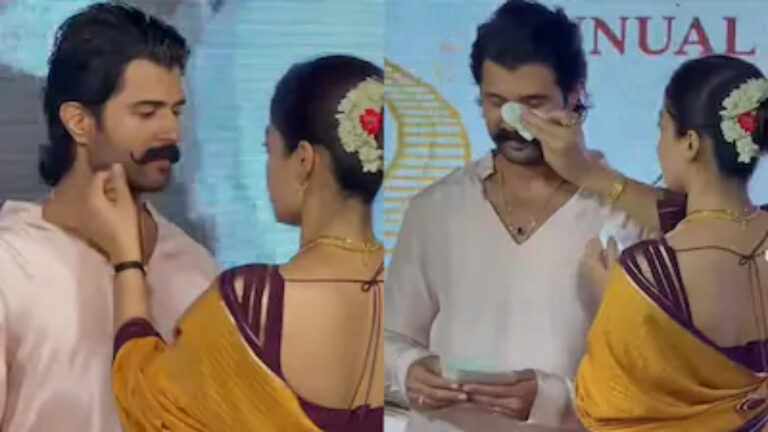
The internet is collectively melting over a sweet, unscripted moment between one of Indian cinema’s most beloved real-life couples, Rashmika Mandanna and Vijay Deverakonda. A candid video from their recent public appearance in Telangana has taken social media by storm, showing the actress gently wiping sweat from Vijay’s forehead and playfully adjusting his moustache.

The brief but intimate clip has sent fans into a frenzy, offering a rare glimpse into the couple’s strong off-screen bond. While the duo is usually intensely private about their relationship, this natural display of affection has firmly established them as ultimate “couple goals” across digital platforms.

The Viral Moment That Won the Internet

The video, which began circulating heavily on Instagram, X (formerly Twitter), and YouTube shorts, captures a quiet moment of care amidst a bustling, crowded venue. As the couple stood on stage interacting with guests and attendees, the scorching summer heat clearly caught up with Vijay.

Without hesitation, Rashmika stepped in to help. Dressed in an elegant yellow Mysore silk saree with her hair neatly tied in a bun adorned with fresh gajra (flower garland), she gracefully took a tissue paper to dab away the sweat from her husband’s forehead and nose.

What happened next truly stole the hearts of fans. After clearing away the sweat, Rashmika paused, leaned in slightly, and carefully adjusted and twirled Vijay’s thick, stylized moustache. She then gave him a reassuring, smiling nod as if to say, “You look perfect.” Vijay, dressed in a simple, light-colored traditional outfit, stood calmly, entirely used to and appreciative of the gesture.

A Meaningful Backdrop: The Scholarship Drive

While the internet focused entirely on the romantic gesture, the actual purpose behind their visit was deeply personal and philanthropic. The couple traveled to Thummanpet village, located in the Achampet Mandal of the Nagarkurnool district in Telangana. This specific village holds profound emotional value for the family, as it is the birthplace of Vijay’s father.

The event marked the successful completion of the first year of a massive educational initiative driven by The Deverakonda Foundation. Back in February, during their intimate housewarming and traditional puja ceremonies in the village, the newly married couple pledged to support the education of bright, underprivileged local children.

Through this drive, the foundation meticulously reviewed students across 45 government schools in the region. They identified 180 highly meritorious students currently studying in Classes 9 and 10 who have maintained top academic rankings despite facing severe financial or personal hardships. The Deverakonda Foundation has officially stepped in to completely cover the ongoing educational expenses for these selected children.

Heartfelt Speeches to the Students

Both actors took to the microphone to address the young students, sharing words of motivation that felt down-to-earth and sincere rather than preachy.

Vijay openly admitted to the crowd that neither he nor Rashmika were ever the absolute top rankers during their own school days. However, he emphasized that extraordinary talent isn’t the only way to succeed.

“Giving you this scholarship gift is a very small gesture, but I feel it is incredibly important for us,” Vijay expressed emotionally. “I want to be a part of your lives and your growth. My ultimate dream is to expand this movement across the entirety of Telangana.”

Rashmika also spoke to the gathering, introducing herself with a sense of pride that deeply touched the local audience. “Today, I am standing in front of you and talking to you as Rashmika Mandanna Deverakonda,” she said with a bright smile. “We decided that we would begin this good work right here in Achampet and Thummanpet, which is my father-in-law’s village. I am so incredibly excited for what these children will achieve.”

Following the successful event, Vijay shared a series of warm family photographs on his official X account, standing alongside Rashmika and his parents. He thanked the community and promised to return in June 2027 to make the initiative even larger.

What’s Next on the Horizon for “ViRosh”?

Fans of the couple have double the reason to celebrate. Beyond their real-life fairy tale, the two are finally reuniting on the silver screen. Rashmika and Vijay are locked in to star together in the highly anticipated upcoming film Ranabaali.

Scheduled for a grand theatrical release on September 11, Ranabaali marks their third major cinematic collaboration. The duo previously set screens ablaze with their electric on-screen chemistry in blockbuster hits like Geetha Govindam (2018) and the emotionally charged Dear Comrade (2019). The film is being directed by the acclaimed filmmaker Rahul Sankrityan.

Additionally, both actors are managing incredibly packed individual schedules:

  • Rashmika Mandanna: Is actively gearing up for the release of Cocktail 2 alongside Shahid Kapoor and Kriti Sanon, while continuing progress on her other massive regional and pan-Indian projects.
  • Vijay Deverakonda: Recently launched his next big project, tentatively titled VDxShouryuv, directed by Shouryuv, which has already created major waves in the industry with its powerful lyric video releases.

Whether they are walking the red carpet, funding the dreams of young students in rural India, or sharing a quick, quiet moment to fix a moustache on a hot summer evening, Vijay and Rashmika continue to show that their bond is built on mutual respect, grounded values, and deep care.

Banished from Bed: Why Akshay Oberoi’s Wife Fled After Flesh

New Delhi, June 15, 2026: In the glittering world of Bollywood, actors are often lauded for their ability to fully submerge themselves into a character. We hear endless stories of weight transformations, dialect coaching, and method acting. However, the psychological aftermath of embodying true, unfiltered malice rarely makes the headlines until an actor pulls back the curtain on their personal life. Recently, actor Akshay Oberoi did exactly that.

While gearing up for King, one of Bollywood’s most highly anticipated films featuring megastar Shah Rukh Khan, Oberoi took a reflective detour into his filmography. He revealed a startling domestic fallout from one of his most critically acclaimed yet deeply disturbing roles: playing the psychotic antagonist Taj in the 2020 crime thriller web series Flesh.

The dark, gritty series explored the harrowing underbelly of human trafficking. To portray Taj—a menacing, bisexual flesh-trade kingpin with an aggressively styled aesthetic, bleached hair, and a deeply warped psyche—Oberoi had to access corners of human depravity that left an unexpected victim at home: his wife, Jyothi Virdi. The character was so chillingly executed that, upon seeing it manifest on screen, his wife genuinely refused to share a bed with him for weeks.

Method Acting and the Haunting Aftermath of Flesh

To understand why a spouse would be driven to banish their partner from the bedroom, one has to look at the sheer intensity of what Oberoi brought to life in Flesh. Portraying an antagonist in a show centered around human trafficking is a heavy burden for any performer. Taj was not a cartoonish villain; he was structured to be sickening, unpredictable, and fiercely diabolical.

During the production of the series, Oberoi was not juggling multiple projects. He was entirely consumed by this single, disturbing universe. Because the psychological boundaries of method acting can easily blur, Oberoi admitted that he frequently, albeit unintentionally, carried the heavy, menacing aura of Taj back home to his family.

For an actor’s partner, watching someone you love and know as a gentle father and husband transform into a terrifying, sadistic criminal on screen can induce a strange kind of psychological whiplash. Jyothi Virdi’s reaction wasn’t just a casual critique of her husband’s acting ability; it was an visceral, emotional response to seeing a side of him she didn’t recognize—and frankly, didn’t want anywhere near her sleeping quarters. The reality that an actor must summon real human emotions to play a monster left her questioning how he could channel such darkness so convincingly.

The “Guardian Angels” and a Creative 360

Despite the strain it briefly placed on his domestic life, Oberoi views the role as a major artistic milestone. It also cemented his relationship with powerhouse filmmaker Siddharth Anand and his producer wife, Mamta Anand. Oberoi warmly refers to the duo as his “guardian angels” in the notoriously fickle entertainment industry.

While many industry executives promise future collaborations after a job well done, Anand actually followed through. Recognizing the raw, boundary-pushing talent Oberoi displayed in Flesh, the creative team promised they would work together again on something completely different.

That promise materialized in the 2024 aerial action blockbuster Fighter. Moving away from the sickening depravity of Taj, Anand handed Oberoi a complete 360-degree character shift: Squadron Leader Bashir “Bash” Khan. Bash was the absolute polar opposition of Taj—he was a patriotic, innocent, fun-loving, and fiercely loyal pilot. This drastic pivot allowed Oberoi to purge the residual darkness of his streaming villainy and showcase his range as a wholesome, heroic figure on the silver giant screen.

Looking Ahead: The Road to King

The creative synergy between Akshay Oberoi and Siddharth Anand has now paved the way for his next massive venture. Oberoi is deeply immersed in preparations for King, an action-thriller that has generated massive buzz across the Indian film industry.

King represents a monumental step forward for Oberoi, marking his very first on-screen collaboration with Bollywood royalty Shah Rukh Khan. While specific details regarding Oberoi’s role in the film are being kept strictly under wraps, his track record with Siddharth Anand suggests that audiences can expect something highly impactful.

Ultimately, Oberoi’s candid admission about the domestic toll of Flesh highlights the invisible cost of high-caliber acting. It serves as a reminder that behind every gripping, skin-crawling performance on our screens, an actor often has to navigate a complicated emotional minefield at home just to shake the character off. Fortunately for Oberoi, with a diverse slate of hero roles and major blockbusters on the horizon, his days of being kicked out of bed for being too terrifying are safely behind him.

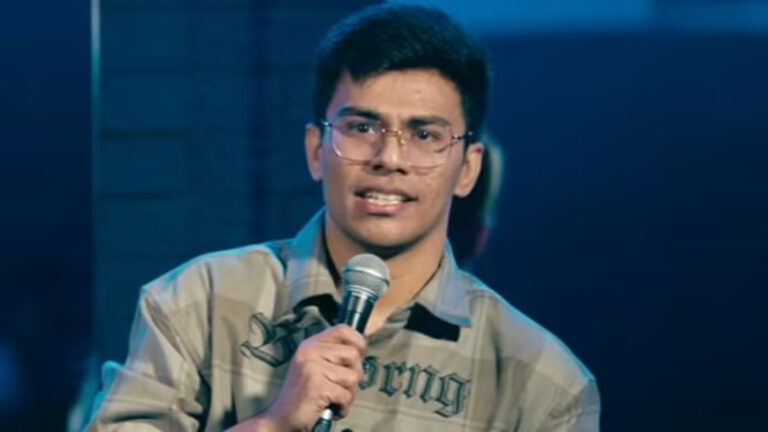
Comedian Madhur Virli Apologizes for Rape Joke After Backlash

New Delhi, June 15, 2026: An intense nationwide debate about the ethical boundaries of stand-up comedy has been reignited after Delhi-based comedian Madhur Virli issued a formal public apology on his YouTube channel. The apology followed a massive wave of public anger and calls for legal action over a resurfaced clip from his 2024 stand-up special, Love & Latex. In the viral video, Virli was seen making highly controversial and graphic jokes regarding sexual assault and murder.

The backlash against Virli did not happen in a vacuum; it gained momentum right on the heels of another major controversy involving fellow comedian Pranit More’s live show in Gurugram, commonly known as the “Rs 370 Biryani” incident. Together, these two back-to-back incidents have placed the entire Indian stand-up community under heavy scrutiny, with audiences, critics, and activists demanding higher accountability from artists who use sensitive real-world trauma for cheap shock value on stage.

The Resurfaced Clip and Public Backlash

The video that triggered the immense backlash features Madhur Virli discussing rape cases during a live comedy performance. In the routine, Virli attempts to explain a hypothetical scenario of why a perpetrator might choose to murder a victim after committing an assault. He made a graphic comparison, suggesting that out of ten cases, a murder happens because a victim might look at the offender afterwards and ask to “cuddle,” prompting the attacker to use a knife instead. The routine also included highly insensitive remarks comparing the trauma of survivors to the silence of victims who lost their lives.

As the old footage began circulating widely on platforms like X (formerly Twitter) and Instagram, the public reaction was swift and unforgiving. Netizens universally condemned the set, labeling it disgusting, deeply insensitive, and harmful. Many pointed out that making light of extreme physical violence and sexual trauma completely crosses the line of “dark humor” and instead normalizes severe misogyny.

Significant criticism was also aimed at the audience members visible in the video, who could be seen laughing and clapping along to the routine. Social media users expressed horror that such graphic content could be met with applause, questioning the broader cultural tolerance for jokes that trivialize heinous crimes against women.

Madhur Virli’s Public Apology

Faced with a rapidly growing storm of criticism and demands for police intervention, Madhur Virli broke his silence by posting a written text statement on his official YouTube channel. In his message, the comedian stated that he was “genuinely sorry” and wanted to clear the air regarding the origin of the video and his current stance on the material.

Virli also addressed the fact that his Instagram account was unavailable, clarifying that he had voluntarily deactivated the profile roughly six months prior to this controversy for personal reasons, meaning the move was completely unrelated to the recent internet backlash.

Despite his explanation that he had recognized the error of his ways two years ago and deleted the original video, the public response to his apology has been deeply divided. While some individuals felt that acknowledging the mistake and pulling the video years ago showed a level of accountability, a vast majority of netizens argued that the apology was merely a damage-control tactic triggered only because the clip went viral again.

The Connection to the “Rs 370 Biryani” Row

The outrage surrounding Madhur Virli’s performance was significantly amplified because it coincided with another major controversy involving comedian Pranit More. During a recent crowd-work show hosted by More, a 23-year-old web developer named Himanshu Jangra shared a story about going on a date with a woman and spending Rs 370 on biryani. Jangra boasted on the microphone about how he tried to force physical intimacy with the woman to “recover the cost” of the meal because she wanted to leave early.

Instead of shutting down the inappropriate comments, Pranit More and the live audience laughed, and More even handed the man a cash prize of Rs 5,000 as a reward for the interaction. The internet exploded in anger over the normalization of harassment, leading to Jangra being fired from his job and More issuing a lengthy video apology admitting he “deserved the hate” for getting carried away and failing to take a stand.

Because the internet was already actively discussing the lack of ethics and basic moral boundaries in the comedy scene due to More’s show, Virli’s old video acted as fuel to an already raging fire. The overlapping controversies have forced a mainstream conversation regarding where freedom of expression ends and the trivialization of criminal behavior begins.

Anatomy of the Controversy

To understand how these events unfolded and how they compare, the core details of both recent controversies show a clear pattern of shifting digital accountability in the entertainment industry.

The Broader Impact on Indian Stand-Up Comedy

Madhur Virli’s background makes the situation particularly disappointing to many of his long-time followers. An alumnus of the prestigious IIT Delhi, Virli walked away from a conventional corporate engineering path to chase comedy full-time after finding success at college cultural festivals. Known generally for his sharp writing on middle-class life, mental health struggles, and student survival, his sudden association with such crude and violent material left many fans blindsided.

This incident marks a turning point for the comedy industry in India. Over the last few years, several Indian comedians have faced severe pushback for jokes touching on politics, religion, and social dynamics. However, the current wave of backlash is distinctly focused on human empathy and basic dignity. Activists and regular viewers alike are arguing that utilizing trauma, sexual violence, and systemic abuse against women as a punchline isn’t “edgy” or “brave”—it is simply lazy writing that relies on shock value rather than genuine comedic skill.

As digital platforms make older performances permanently accessible, comedians are learning that past material can return to define their present careers. Moving forward, the comedy circuit faces the tough challenge of balancing creative freedom with social responsibility, ensuring that the pursuit of laughter doesn’t come at the expense of a victim’s pain.

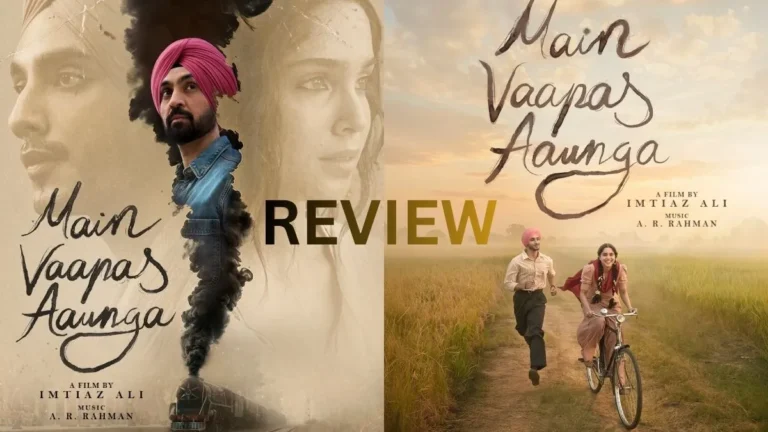
Main Vaapas Aaunga: Naseeruddin Shah Saves a Flawed Partition Epic

New Delhi, June 15, 2026: Every once in a while, a piece of cinema arrives that reminds us why we tell stories. Director Imtiaz Ali’s period romance drama, Main Vaapas Aaunga, which arrived in theatres on June 12, 2026, tries to do exactly that. The movie tackles a massive, painful subject: the 1947 Partition of India.

While the film itself has faced mixed reactions from critics for being a bit muddled, long, and uneven, there is one thing everyone agrees on: Naseeruddin Shah is absolutely brilliant. Plagued by sluggish initial box office numbers, the movie is currently leaning entirely on the legendary actor’s performance to pull audiences into theatres. Shah takes a complicated, messy script and elevates it into a deeply moving human tragedy.

A Mind Trapped in the Past

The story of Main Vaapas Aaunga jumps between two different times. In the present day, we meet Ishar Grewal (played by Naseeruddin Shah), a 95-year-old Sikh patriarch who is severely ill and living out his final days. Ishar has dementia and has suffered a major stroke. To his adult sons, his constant talking sounds like complete nonsense. He speaks in slurred, broken words, rambling about “Martians” with blue skin who spread hatred, and comparing them to figures like Adolf Hitler.

However, his grandson, Nirvair (played by a restrained and soulful Diljit Dosanjh), refuses to ignore these outbursts. Nirvair, who is dealing with his own feelings of isolation as a migrant in London, starts listening closely. He realizes his grandfather’s mind isn’t just failing; it is traveling backward in time.

Ishar is mentally trapped in 1947. He completely forgets the 78 years he lived in India after the border was drawn. Instead, his subconscious is stuck in Sargodha (now in Pakistan), remembering the short 17 years of his youth.

Through these memories, the movie flashes back to a vibrant, undivided Punjab. A younger Ishar, known affectionately as Keenu (played beautifully by Vedang Raina), falls deeply in love with a young woman named Jiya or Afsana (played by Sharvari Wagh). Their sweet, old-school romance is filled with secret glances, playful chats, and bad Urdu poetry. But their happiness is violently cut short by the Partition. Forced to flee to India, young Keenu leaves behind a desperate, heartfelt promise to his first love: “Main vaapas aaunga” (I will return).

Where the Film Fumbles

This is where the movie gets complicated, and where some critics feel Imtiaz Ali lost his way. Main Vaapas Aaunga tries to do too many things at once. At times, it wants to be an epic, heartbreaking historical film about the Partition. At other times, it shifts into a family drama about generational trauma. And in some chapters, it feels like a spiritual successor to Ali’s older films like Love Aaj Kal, contrasting a modern young man’s confusion about commitment with an old man’s eternal love.

Because the movie tries to wear so many different hats, the pacing slows down significantly. Running at nearly 167 minutes, the script occasionally drops the ball. It introduces heavy political commentary and social themes that don’t always connect smoothly with the central love story. Some subplots feel like screenplay chores that do not lead to a satisfying payoff.

Furthermore, the film tries very hard to remain strictly neutral and avoid taking political sides. Ironically, this cautious approach makes some of the social commentary feel detached from the real, brutal history of 1947. If you take away the historic backdrop, the core plot is a familiar story about a young couple from different religions who are separated by circumstance.

Elevating the Chaos

Despite these flaws in the script, Naseeruddin Shah turns the film into a must-watch experience. Playing a dying man who is mostly bedridden and speaking a language that is not his native tongue could have easily become a caricature. Instead, Shah is pitch-perfect.

He communicates a lifetime of regret, longing, and unresolved grief with just a single look or a heavy silence. When his character tries to drive a car all the way to Pakistan, only to be stopped at the border because he genuinely does not understand why a line separates him from his home, it breaks your heart.

Shah’s performance bridges the gap between the film’s messy writing and its emotional core. He takes the “gibberish” his character speaks and gives it an eerie, poetic weight. His rants about “Martians” become a powerful metaphor for how normal people can suddenly turn into violent mobs when blinded by hatred. Through Shah’s eyes, the Partition isn’t a political event found in a history book; it is a sudden, terrifying natural disaster that permanently shattered human hearts.

The Supporting Cast and Soulful Music

The rest of the cast does a commendable job supporting Shah’s powerhouse performance. Diljit Dosanjh delivers a grounded, quiet performance as the caring grandson. He serves as the perfect guide for the audience, helping us translate and understand the old man’s pain.

In the flashback sequences, Vedang Raina is incredibly charming as the youthful version of Shah’s character, wearing a traditional turban and capturing the naive innocence of young love. Sharvari Wagh is equally radiant on screen, using her eyes to express the deep grace, hope, and eventual honesty of a romance cut short by history.

Adding to the emotional depth of the movie is the musical score by the legendary A.R. Rahman, with lyrics by Irshad Kamil. While some viewers noted that the soundtrack lacks the immediate, radio-friendly pop hits of typical Bollywood films, the background music functions beautifully as a “balm of tenderness.” Tracks like Kya Kamaal Hai and Maskara blend smoothly into the background, capturing the bittersweet ache of a love story that never got the chance to grow old.

While the film may struggle to make a major mark at the box office due to its slow pace and scattered focus, it remains a valuable piece of artistic cinema. It is a restless, ambitious project that reminds us of the immense human cost behind political borders. If you are willing to look past a muddled screenplay, go see it for Naseeruddin Shah. He takes a flawed film and transforms it into a timeless, haunting poem about memory, love, and the universal longing for home.

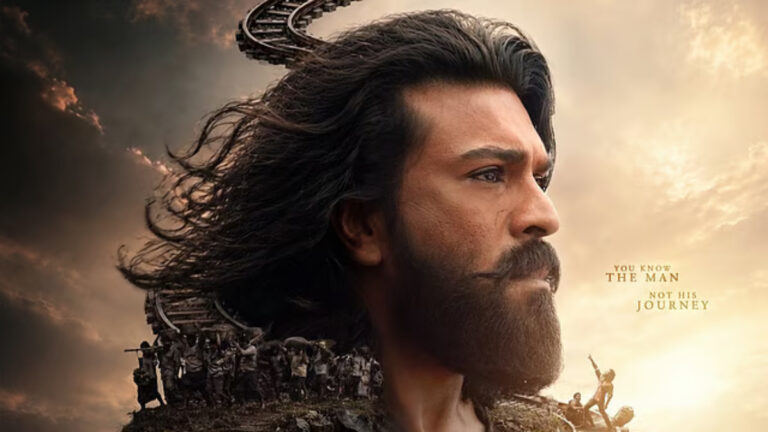
Peddi Box Office Day 10: Ram Charan’s Hit Crosses ₹378 Crore

New Delhi, June 15, 2026 — The box office power of Global Star Ram Charan is on full display as his latest release, Peddi, continues its historic run in theatres. Directed by Buchi Babu Sana, the high-octane sports drama has successfully completed its first 10 days, crushing records along the way. Despite hitting a weekday slowdown and facing intense social media scrutiny regarding its screenplay, the film witnessed a massive 57.3% growth over its second weekend.

By the end of Day 10, Peddi officially crossed the ₹378 crore mark worldwide, cementing its position as South India’s biggest box office performer of 2026. This cinematic triumph provides a massive sigh of relief for Ram Charan following the underwhelming response to his previous outing, Game Changer.

The Day 10 Numbers: A Spectacular Weekend Surge

After a standard second-week drop during the weekdays—where daily net collections hovered around the ₹5 crore mark—Peddi rebounded aggressively on its second Saturday (Day 10). The film drew massive crowds back to the theaters, registering a phenomenal spike in ticket sales.

According to premium industry tracker Sacnilk, Peddi collected ₹8.10 crore net in India on Day 10 alone across nearly 4,000 shows. This weekend push propelled its domestic cumulative net collection past the elite ₹206.80 crore mark, translating into a massive ₹245.53 crore domestic gross.

Internationally, the film continues to find solid footing. On Day 10, it brought in an additional ₹1 crore from overseas markets, taking its total international gross to ₹51 crore. When you combine the massive domestic gross with its overseas earnings, the film is comfortably sprinting toward the ₹400 crore club globally.

Breakdown of Regional Performance

The real backbone of Peddi’s historic run remains its home territory. The Telugu states of Andhra Pradesh and Telangana have done the heavy lifting, showcasing an unshakeable craze for the “Mega Power Star.”

On Day 10, the AP-Telangana region contributed a staggering ₹7 crore gross to the daily total. The film recorded an exceptional overall occupancy of 40.33% in Telugu theaters on Saturday, with late-evening and night shows seeing the biggest turnouts at over 44%.

While the South Indian markets—particularly Telangana, Andhra Pradesh, and Karnataka—are firing on all cylinders, the film has seen a relatively muted response in the Hindi belt. On Day 10, the Hindi version brought in a modest ₹90 lakh net. Trade analysts attribute this to the core rural-sports theme of the film, which has resonated deeply with regional audiences but struggled to capture the broader North Indian multiplex crowd. However, the sheer volume of collections from the Telugu market has more than compensated for the slower Hindi run.

Breaking Personal and Industry Records

For Ram Charan, Peddi is an extraordinary milestone. It is only the second film in his entire career to breach the ₹200 crore domestic net milestone, trailing only behind SS Rajamouli’s global phenomenon RRR. More importantly, Peddi marks his first-ever solo-led film to cross the double-century mark domestically, proving his solo box office draw beyond any doubt.

The movie has also broken records internationally. In North America, Peddi touched the coveted $3 million mark within just six days of its release. This makes it Ram Charan’s third movie to join the $3 million club in that territory, standing alongside RRR and Rangasthalam.

The success of the film has also brought tremendous joy to his family. Megastar Chiranjeevi recently watched the film after returning to Hyderabad from a busy shooting schedule and shared his immense pride.

Contradicting the Controversy: The Director’s Apology

What makes Peddi’s box office run even more fascinating is that it has achieved these staggering numbers in the face of significant controversy. Immediately following its release, a section of the audience and film critics heavily criticized the treatment of Janhvi Kapoor’s character, Achiyyamma. Many fans alleged that specific camera angles and romantic sequences hypersexualized and objectified her character unnecessarily.

Recognizing the growing backlash, director Buchi Babu Sana took a rare and mature step by issuing a public apology on X (formerly Twitter) and implementing immediate cuts to the movie running in theaters.

The director confirmed that the misleading shots from Janhvi’s track were promptly edited out. This swift damage control saved the film’s second-week momentum, allowing families and wider audiences to return to theaters comfortably over the weekend.

The Plot That Revived the Sports Genre

Set against a beautifully constructed, rustic 1980s backdrop of rural Andhra Pradesh (painstakingly recreated via massive sets mimicking Vizianagaram), Peddi is an emotional, multi-sport action drama.

The narrative follows the titular character, Peddi (played by Ram Charan), a spirited villager who discovers his self-worth and identity through athletics. He trains across multiple demanding sports disciplines—ranging from cricket to traditional kushti (wrestling) and marathon sprinting—eventually catching the attention of the Indian government. Far from being a standard sports film, it weaves deep themes of community pride, emotional stakes, and a battle against a ruthless rival (played by Jagapathi Babu).

Ram Charan’s physical transformation and raw emotional intensity have been universally hailed as the anchor of the film. Alongside him, Kannada superstar Shiva Rajkumar and Bollywood actors Divyendu and Boman Irani deliver solid performances that add pan-Indian weight to the narrative.

Future Outlook: Zero Competition Ahead

With a massive production budget of approximately ₹350 crore, Peddi entered theaters with immense financial pressure. However, having crossed the ₹378 crore mark worldwide by Day 10, the film has successfully achieved break-even status in the Telugu states and is officially operating in the profit zone domestically.

The road ahead looks incredibly clear for the sports drama. With no major Indian releases scheduled for the upcoming week, Peddi enjoys a completely open, uninterrupted window to maximize its theatrical run. Trade pundits predict that if the film maintains even half of its current weekday hold, it is on track to cross the ₹450 crore lifetime worldwide mark, ensuring its status as a certified blockbuster of 2026.