Home Blog Page 23

Cortadillo: The Texas “Pink Cake” Going Vira

0

New Delhi, June 12, 2026: If you have spent any time scrolling through food trends on social media recently, you have likely run across a bright, eye-catching dessert known as the “dot cake” or “pink cake.” Boasting a vibrant, neon-pink glaze and a heavy shower of rainbow nonpareil sprinkles, this aesthetically pleasing treat has drawn massive lines at trendy pop-ups and racked up millions of views online. Influencers present it as the latest innovation in the baking world, capturing the hearts—and feeds—of sweet tooths everywhere.

However, if you mention this viral phenomenon to a Texan, or anyone who grew up in a Mexican-American household, you will likely get a knowing smile followed by a gentle correction. To them, this isn’t a groundbreaking social media invention. It is cortadillo, a beloved, century-old staple of the traditional Mexican panadería (bakery) that has been quietly anchoring community bakery cases for generations.

What is Cortadillo?

Cortadillo (often referred to simply as “pink cake” along the Texas-Mexico border) is a traditional type of pan dulce (sweet bread). The word cortadillo translates roughly to “cut cake” or “sliced bread,” referencing how it is typically baked as a large sheet cake and sliced into clean, uniform squares or rectangles before serving.

The anatomy of an authentic cortadillo is beautifully straightforward:

  • The Base: A moist, dense, and fluffy yellow sponge cake. Unlike airy American birthday cakes, a traditional cortadillo has a slightly tighter crumb structure, sitting comfortably between a snack cake and a subtle pound cake. It is lightly sweetened and frequently infused with a hint of vanilla, orange zest, or lemon zest.
  • The Icing: A smooth, sweet glaze tinted a signature, unmistakable hot pink. While some modern variations top it with a thick buttercream, the traditional panadería style features a simpler powdered-sugar-and-milk icing that sets with a slightly firm, delicate crust.
  • The Crown: A generous dusting of tiny, multi-colored round sprinkles (nonpareils). These provide a sharp visual contrast to the pink backdrop and add a satisfying, nostalgic crunch to every bite.

For decades, buying cortadillo has been a comforting ritual. Families walk into a panadería, grab a silver tray and a pair of metal tongs, and select a square of pink cake alongside conchas, empanadas, and cuernitos to enjoy with a hot morning cafecito (coffee) or a cold glass of milk.

The Social Media Rediscovery

The recent internet frenzy surrounding the “dot cake” highlights a recurring phenomenon in food culture: the culinary rediscovery. On platforms like TikTok and Instagram, the dessert has been repackaged for a new generation. Some modern vendors have added slight twists—serving the cake layers in a cup or adding a thin layer of white frosting or strawberry jam in the middle—but the core visual identity remains identical to the classic Mexican pastry.

As the “dot cake” began trending, Texas locals and members of the Latino community quickly took to social media to preserve the dessert’s history. Far from being a new fad, cortadillo dates back more than a century, carrying deep cultural roots that trace from European baking techniques brought to Mexico during the colonial era, which then evolved into regional Mexican culinary traditions.

Food historians and cultural commentators point out that while social media is a fantastic tool for introducing diverse foods to a broader audience, it can sometimes obscure the origins of traditional dishes. The viral rise of the dot cake has sparked a lively conversation about giving credit where credit is due, reminding foodies that the colorful treat they are lining up for in metropolitan hotspots has a rich, deep history rooted in working-class immigrant neighborhoods.

Also Read:‘San Juan’ AI Song Goes Viral

Where to Taste the Real Deal

If the viral trend has left you craving a slice of this colorful dessert, culinary experts and Texas locals agree: skip the trendy pop-ups and head straight to an authentic neighborhood panadería. Not only will you experience the authentic texture and flavor profile, but you will also be supporting institutions that have kept communities sweet for decades.

If you find yourself in the Lone Star State, several legendary spots offer a masterclass in traditional cortadillo.

Ultimately, whether you call it dot cake, pink cake, pastel de niños, or cortadillo, this vibrant dessert remains a joyful masterpiece of simple baking. Its transition from a humble panadería tray to a global social media sensation is a testament to its timeless, universal appeal. But as you take that first sweet, crunchy bite, remember that you are participating in a delicious tradition kept alive by generations of bakers long before the first smartphone ever logged onto a social media app.

‘San Juan’ AI Song Goes Viral

New Delhi, June 12, 2026 — If you have spent any time scrolling through social media recently, you have undoubtedly run into the unavoidable earworm of the summer. It begins with the simple, bright lyric: “First time in San Juan, mi hijo / Capital of Puerto Rico.” Backed by an upbeat, bouncy rhythm that evokes the feel-good nostalgia of a 1980s television sitcom theme song, “The Puerto Rico Song” has captured the internet’s imagination. Millions of views, thousands of TikTok lip-syncs from major celebrities, and endless vacation highlight reels have pushed the track into global virality.

However, the track carries a major twist that has sparked massive conversation across the music industry: it was generated using artificial intelligence. Created by William Stiteler, a Pittsburgh comedian and content creator known online as @saxboybilly18, the song’s lyrics were written by hand, but the music itself was generated through the AI music platform Suno. As the track transitions from a casual internet meme into a genuine pop-culture phenomenon, a fascinating question has emerged: What do Puerto Ricans actually think of this viral, AI-generated anthem about their homeland?

A Tourism Boom and an Official Invitation

For many residents and cultural institutions on the island, the initial reaction to the track has been one of embrace. Puerto Rico boasts one of the most vibrant, fiercely protected musical identities in the world—as the birthplace of heavyweights like Bad Bunny, Daddy Yankee, and Ricky Martin, the island’s standards for its soundtrack are incredibly high. Yet, the sheer joy and simplicity of Stiteler’s viral track have broken through.

Instead of pushing back against an AI-generated tune written by an outsider, the official tourism board of Puerto Rico chose to lean completely into the phenomenon. Recognizing the massive, free marketing boost the island was receiving on a global scale, the tourism board reached out to Stiteler directly. In an unexpected turn of events, they are flying the comedian down to the island to shoot an official, four-day promotional music video using the track.

For everyday Puerto Ricans working in hospitality, food service, and local businesses, the song represents a welcome economic driver. Local content creators have used the audio to showcase the vibrant, colorful streets of Old San Juan, the pristine beaches of Condado, and local culinary staples. The track has acted as a digital postcard, driving a fresh wave of wanderlust among travelers planning their summer vacations.

The Deep Ties to a Pittsburgh Legend

Part of why the song has resonated so deeply with Puerto Ricans is the genuine respect and connection baked into its origin story. Stiteler did not create the song as a cynical attempt to exploit a trend. Instead, the track was born from his personal sobriety journey. After committing to following the Pittsburgh Pirates baseball team to every single away game, Stiteler began traveling across the Americas, writing comedic travel songs to document his experiences.

When his travels brought him to Puerto Rico, his primary goal was to pay homage to a shared piece of history between Pittsburgh and the island: the legendary baseball Hall of Famer, Roberto Clemente. Known to fans as “The Great One,” Clemente is an immortal cultural figure in Puerto Rico, celebrated not just for his athletic genius but for his profound humanitarian work.

While visiting the island, Stiteler took a local bus out to Caguas, a municipality south of San Juan, specifically to see where Clemente played baseball when he was just 19 years old. The lyrics of the song reflect these specific local references, mentioning not just the typical tourist spots of San Juan, but shouting out Caguas as well. For local Puerto Ricans, hearing a visitor reference Caguas and show genuine reverence for Clemente’s roots signaled that the creator actually took the time to engage with the island’s authentic culture, rather than just scratching the surface.

Also Read: Shakira Reluctant to Leave Stage After Epic World Cup Opener

The AI Debate: Nostalgia vs. Cultural Authenticity

While the song has brought plenty of smiles, it has also sparked a deeper, more critical dialogue among Puerto Rican musicians, historians, and cultural purists. The island’s rich musical tapestry is built on highly complex, human rhythms like bomba, plena, and salsa—genres rooted in Afro-Caribbean history, live instrumentation, and deeply felt human struggles.

The fact that the summer’s biggest viral hit about Puerto Rico is a pentatonic, AI-generated track that mimics Motown progressions and American sitcom themes has left some local artists feeling conflicted. Critics point out that the song lacks the organic percussion and syncopated beats native to traditional Puerto Rican music. Some argue that the viral success of AI music threatens the livelihoods of local musicians who spend decades mastering traditional instruments and music theory.

Even Stiteler himself is quick to agree with his critics, openly stating in interviews that he does not view himself as a musician and considers the project a comedy video rather than serious musical art. He initially resisted putting the track on streaming platforms like Spotify because of his deep respect for traditional musicianship, though he eventually relented after global demand became overwhelming.

The Verdict: A Harmless Anthem of Joy

Ultimately, the consensus among the majority of Puerto Ricans online leans heavily toward lighthearted fun. In a digital landscape often dominated by stressful news, a simple, campy, and unpretentious song celebrating the beauty and friendliness of the island feels like a harmless win. Locals are proud to see icons like country star Luke Combs and comedian Brian Jordan Alvarez singing along to lyrics about San Juan.

Whether “The Puerto Rico Song” will stand the test of time or fade away as a fleeting internet trend remains to be seen. But for now, as the island prepares to welcome its creator for an official tourism campaign, the track serves as a fascinating example of how modern technology, sports history, and a piece of pure, unadulterated catchiness can bring people together across borders. It may have been built by a computer algorithm, but the joy it is bringing to travelers and proud locals alike is entirely real.

Shakira Reluctant to Leave Stage After Epic World Cup Opener

0

New Delhi, June 12, 2026: The highly anticipated 2026 FIFA World Cup officially kicked off at the iconic Estadio Azteca in Mexico City, a historic venue that became the first stadium in history to host opening events for three separate World Cups. While the expanded 48-team tournament promised plenty of action on the pitch, the opening ceremony stolen the global spotlight, largely thanks to an unforgettable, high-energy performance by Colombian pop queen Shakira. Headlining the massive musical showcase alongside Nigerian Afrobeats star Burna Boy, Shakira once again cemented her status as the undisputed queen of football anthems.

However, it wasn’t just the spectacular choreography or the massive fireworks display that set social media ablaze. Following the conclusion of her performance, a viral video emerged online showing a candid, lighthearted moment where Shakira appeared entirely unready to leave the grand stage, basking in the roaring adulation of over 80,000 screaming fans. The clip quickly racked up millions of views across digital platforms, serving as a testament to her unmatched stage presence and deep-rooted connection to the global football community.

An Unforgettable Performance of “Dai Dai”

Before the opening Group A match between co-hosts Mexico and South Africa commenced, the pitch of the Estadio Azteca was transformed into a kaleidoscope of colors, cultures, and sounds. A giant replica of the World Cup trophy emerged from the center of the pitch, surrounded by traditional Mexican dancers wearing vibrant, ancestral costumes and massive plumed headdresses. While local legendary rock group Maná and reggaeton hitmaker J Balvin fired up the crowd early on, the stadium erupted into absolute chaos when Shakira finally took the microphone.

Shakira and Burna Boy delivered a powerful live rendition of “Dai Dai,” the official tournament anthem that expertly blends pulsating reggaeton rhythms, modern Afrobeats, and global pop hooks. Backed by a troupe of energetic international dancers—including the viral Triplets Ghetto Kids dance foundation from Uganda—Shakira executed her signature hip-shaking choreography with effortless precision. The performance reached its climax as Shakira and Burna Boy harmonized on the song’s uplifting finale, shouting the unity slogan “Dale, allez, let’s go!” to the packed stadium.

The Viral Post-Performance Moment

The viral video that has captivated fans worldwide catches what happened right after the final notes of the anthem faded out. While production crews began rushing onto the pitch to dismantle the stage props and prepare the grass for the impending kickoff, Shakira seemed locked in the moment. The video shows her smiling widely, waving to different sections of the stadium, and repeatedly blowing kisses to the deafening crowd, clearly thrilled by the overwhelming reception.

As stage managers gently signaled for the performers to exit towards the tunnels, the Colombian superstar playfully lingered, dancing a few extra steps and soaking in the historic atmosphere. Fans online quickly noted how genuinely happy she looked, with many commenting that her reluctance to leave the stage proved her authentic passion for the sport and her fans. The clip, shared widely by fan accounts like ShakiraMedia, highlighted an endearing glimpse of a seasoned global icon refusing to let a magical moment end prematurely.

A Mixed but Massive Global Reaction

As is common with events of this magnitude, the opening ceremony sparked intense debate across social media networks, ensuring that “Dai Dai” became the primary talking point of opening day. Many fans showered Shakira with immense praise, celebrating her unmatched charisma and ability to energize a stadium like no other artist. Supporters pointed out that even after decades in the industry, her vocal stamina and dance abilities remain top-tier.

On the flip side, the performance also faced some criticism online. A segment of viewers expressed frustration over perceived broadcast audio issues, claiming that the stadium sound mix muffled parts of the live vocals. Others targeted the lip-syncing elements common in massive stadium ceremonies, while nostalgic fans openly lamented that they wished Shakira had performed “Waka Waka (This Time for Africa)”, her iconic 2010 track that remains widely regarded as the greatest World Cup song ever made. Despite the split opinions, the staggering engagement metrics showed that Shakira’s star power remains fully intact, with the official music video for “Dai Dai” already soaring past 115 million views on YouTube.

From the Stage to the Pitch

Once the musical festivities concluded and the stage was cleared, the focus shifted entirely to the competitive drama of the tournament. The electric energy generated by Shakira and the opening ceremony acts seemed to transfer directly to the Mexican national team. Backed by a passionate home crowd, Mexico put on a dominant display against a struggling South Africa side, securing a crucial 2-0 victory to open their tournament campaign in style.

The match itself was full of high stakes and dramatic tension, featuring three red cards. Mexico found the back of the net early when Julián Quiñones scored a stunning goal from the edge of the penalty area in the ninth minute. The victory was sealed in the 67th minute when veteran 35-year-old striker Raúl Jiménez scored his first-ever World Cup goal across four tournament appearances, heading home a brilliant cross to send the Azteca Stadium into another frenzy.

Also Read: Green Mobility Push: UP Marks 12 Years of Modi Government with Launch of Noida E-Buses

Chaos Outside the Stadium Gates

While the atmosphere inside the venue was overwhelmingly celebratory, the opening day was not without its logistical challenges. In the center of Mexico City, chaotic scenes unfolded at the official World Cup fan zone located in Zócalo Plaza. Thousands of eager fans, desperate to catch a glimpse of the opening match and Shakira’s performance on giant screens, clashed with security cordons.

Access to the fan zone was severely restricted due to metal barriers that had been erected earlier in the week to manage local teacher protests. As the plaza quickly reached its maximum capacity, frustrated fans began pushing and shoving against barricades, forcing city officials to use megaphones to restore order. Despite some minor skirmishes and bottlenecked crowds, the local government successfully redirected incoming spectators to surrounding public plazas, ensuring the football festival could continue safely.

Ultimately, day one of the 2026 World Cup set a monumental precedent for the rest of the tournament. Between Mexico’s stellar performance on the grass and Shakira’s viral, stage-hogging spectacle, the world has been given an unforgettable reminder of the unifying, dramatic power of global football culture.

Green Mobility Push: UP Marks 12 Years of Modi Government with Launch of Noida E-Buses

0

New Delhi, June 12, 2026 — The Uttar Pradesh government has kicked off a massive, state-wide celebration to mark the completion of 12 years of the Narendra Modi-led Central Government. Championed by Chief Minister Yogi Adityanath, the milestone is being integrated into public-awareness campaigns across the state. The crown jewel of today’s celebrations is a major upgrade to the National Capital Region’s (NCR) public transit network: the official flagging off of a brand-new fleet of air-conditioned electric buses destined for Noida, Greater Noida, and the Yamuna Expressway Industrial Development Authority (YEIDA) zones.

Connecting milestones of governance with green infrastructure development, the dual-purpose initiative targets two major objectives: highlighting more than a decade of welfare and infrastructure programs, while directly addressing local transit demands. Crucially, the launch is timed right before commercial flight operations begin at the highly anticipated Noida International Airport in Jewar on June 15, 2026.

A Mass Movement in Lucknow and Varanasi

Chief Minister Yogi Adityanath explicitly directed state machinery to transform these political milestones into active public movements. Rather than keeping the celebrations restricted to formal government buildings, the state has scheduled block-level health fairs, night chaupals (rural public grievance forums), and massive sanitation drives.

The Chief Minister began the morning in Lucknow at Lok Bhavan, addressing the media regarding the Union Government’s track record of public service. Accompanied by leaders from National Democratic Alliance (NDA) alliance partners—including Apna Dal (S), the Suheldev Bharatiya Samaj Party (SBSP), the Rashtriya Lok Dal (RLD), and the Nishad Party—Yogi Adityanath inaugurated a comprehensive developmental exhibition highlighting shifts in poverty alleviation, economic growth, and regional infrastructure over the last 12 years.

Later in the evening, the Chief Minister will travel to Varanasi, Prime Minister Modi’s parliamentary constituency. At the Girija Devi Cultural Complex in Chaukaghat, he will honor local beneficiaries of the Urban Livelihood Mission and the Industries Department. The venue features dedicated promotional zones highlighting regional heritage, such as the “One District-One Dish” campaign alongside local handicraft stalls.

Green Transit Takes the Wheel in Noida

The most visible, immediate upgrade for everyday citizens took place via a remote link from the Chief Minister’s official residence in Lucknow. Collaborating via video conferencing across three simultaneous local venues—Shilp Haat in Noida, the Dadri bus depot in Greater Noida, and the Medical Devices Park in the YEIDA area—the state launched the initial phase of its eco-friendly public transit push.

In this first rollout phase, 45 electric buses completed their dry runs on Thursday and are officially hitting the streets today. The operational split deploys 11 buses each to the Noida, Greater Noida, and Yamuna Expressway zones, with an extra 12 stationed for local transit duties in Lucknow. By June 15, the operational fleet will scale rapidly to 110 total e-buses under the management of the Uttar Pradesh State Road Transport Corporation (UPSRTC), with viability gap funding financed by the Noida Authority.

Connecting the New Noida International Airport

The routing architecture of the newly introduced e-buses reveals a hyper-focus on seamless multi-modal connectivity, intentionally anchored around the opening of the Jewar Airport. Commuters can expect buses to run at intervals of 30 to 60 minutes.

Beyond local commuter routes, the network links directly to external regional transit hubs. Routes extending to Sarai Kale Khan, Anand Vihar, Ghaziabad, and various Inter-State Bus Terminals (ISBT) ensure that travelers coming out of Delhi or deeper parts of UP can transition easily to the airport. To complement the state-run network, regional officials have confirmed parallel transport partnerships. UPSRTC will operate long-distance connecting routes from Agra, Aligarh, Hathras, and Mathura straight to the Jewar terminal, while neighboring Haryana Roadways and the DTC will run dedicated lines from cities like Faridabad, Gurugram, and Chandigarh.

Pricing and State EV Goals

To keep the service universally accessible, the state has rolled out a highly affordable, structured fare map. During the initial introductory period, short commutes will feature low base fares, capped at a maximum of Rs 30. Once the full multi-tier fare matrix settles into regular operations, ticketing will scale transparently across three flat price points based on travel distance.

This localized e-bus launch functions as part of Uttar Pradesh’s wider green mobility macro strategy. The state currently leads the country with approximately 15.5 lakh registered electric vehicles. To sustain this massive volume, the State Transformation Commission has accelerated investments in localized power infrastructure. With over 2,500 commercial charging stations currently operational, the state is actively on track to hit its target of 10,000 functional EV charging stations by 2030.

By combining political celebration with functional, forward-looking environmental infrastructure, the UP government is using this 12-year milestone to firmly position the Delhi-NCR expansion zone as a modern blueprint for sustainable urban transport.

Blast-Off on Wall Street: SpaceX IPO Propels Elon Musk to World’s First Trillionaire

0

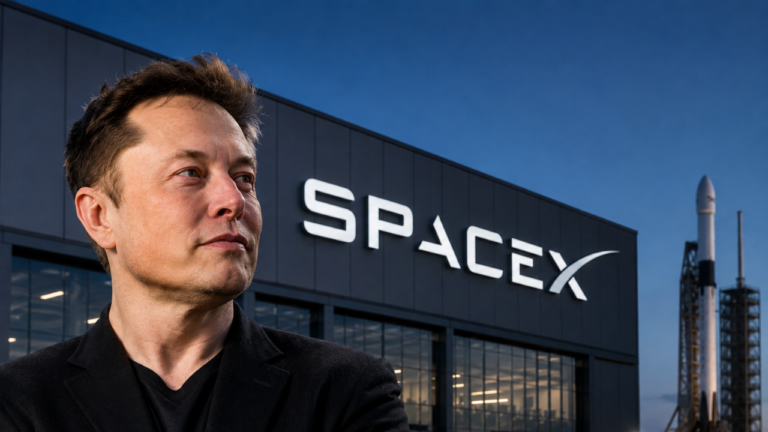
New Delhi, June 12, 2026: The global financial landscape changed forever on Friday, June 12, 2026, as Elon Musk officially became the world’s first trillionaire. This unprecedented milestone was triggered by the highly anticipated, record-shattering initial public offering (IPO) of his aerospace giant, SpaceX. As trading opened on the Nasdaq exchange, investor frenzy pushed the rocket, satellite, and artificial intelligence company to a breathtaking valuation of $1.77 trillion. This single event instantly catapulted Musk’s personal fortune beyond the thirteen-digit mark, crossing an estimated $1.1 trillion and rewriting the history of modern wealth.

The Record-Breaking Flotation

The SpaceX IPO has completely redrawn the Wall Street playbook, easily becoming the largest stock market debut in history. The company raised a staggering $75 billion by offering 555.56 million shares priced at $135 each. To put that into perspective, the previous global IPO record was held by Saudi Aramco, which raised $25.6 billion when it floated in 2019. Demand for a piece of Musk’s space empire was overwhelming, with the offering being oversubscribed by three to four times, pulling in more than $250 billion in total bids from eager investors.

With its new valuation, SpaceX has debuted as the seventh-largest publicly traded company in the United States. Remarkably, it has bypassed established corporate giants like JPMorgan Chase, Meta Platforms, and even Musk’s own electric vehicle pioneer, Tesla.

Rewriting the Wall Street Rules

True to form, Elon Musk did not follow traditional financial conventions to take his company public. In a highly unusual move that caught the market off guard, SpaceX announced its official IPO price while U.S. markets were still actively trading on Thursday, rather than waiting for the closing bell. Furthermore, the final price was locked in before the traditional investment “roadshow”—the standard corporate tour where executives negotiate demand and pricing with big institutional investors.

Perhaps the most significant departure from Wall Street norms was Musk’s focus on everyday traders. SpaceX reserved an exceptionally large 30% of its total offering specifically for retail investors, allowing individual buyers, wealth family offices, and sovereign wealth funds to claim a massive slice of the pie. Despite the decentralized distribution, Musk remains firmly in the cockpit. Thanks to a dual-class share structure featuring super-voting shares, Musk retains a commanding 82% of SpaceX’s total voting power, ensuring he has absolute control over the company’s future direction.

A Fortune Beyond National Economies

Musk’s jump into trillionaire status places him in a financial league entirely of his own. Before the IPO, he was already leading the global wealth charts with roughly $971 billion. With his 50% stake in SpaceX now valued at over $752 billion on its own, his combined holdings across SpaceX, Tesla, xAI, Neuralink, and X (formerly Twitter) have comfortably pushed his net worth past $1.1 trillion.

To understand the sheer scale of this wealth, consider how it stacks up against the rest of the world:

  • The Billionaire Gap: Musk is now more than three times richer than his closest wealth rival, Alphabet co-founder Larry Page, whose net worth hovers around $304 billion.
  • The GDP Comparison: Musk’s personal net worth is now larger than the entire annual Gross Domestic Product (GDP) of Taiwan, a global powerhouse for semiconductor and AI chip manufacturing, which sits at $976.7 billion.
  • The Spending Paradox: According to an analysis by humanitarian group Oxfam America, if Musk were to spend $1 million every single day, it would take him approximately 2,740 years to exhaust a $1 trillion fortune.

The “Elon Premium” vs. The Fundamental Disconnect

While the market’s enthusiasm is undeniable, the eye-watering valuation has sparked intense debate among financial analysts. The core of the skepticism lies in SpaceX’s current financial fundamentals. The company is not yet consistently profitable, having recorded a net loss of $4.9 billion in 2025 and an additional $4.28 billion loss in the first quarter of 2026.

Skeptics argue that pricing the stock at $135 per share values the company at a staggering 92 times its trailing sales. Financial research firm Morningstar issued a warning to investors, calculating the underlying fair value of the business at just $63 per share. Analysts at the firm warned of a “major disconnect” between market hype and real fundamentals, calling the valuation highly speculative given the unproven nature of space-based AI applications and deep-space infrastructure.

However, institutional buyers are aggressively paying what Wall Street calls the “Elon Premium.” This is the widely held investor belief that Musk’s unmatched track record of disrupting industries—from payments with PayPal to automotive with Tesla—justifies ignoring traditional valuation metrics. Investors are not buying SpaceX for its current balance sheet; they are wagering on a future where the company dominates orbital data centers, controls global satellite internet via its Starlink constellation, and builds the foundational logistics for lunar bases and Mars colonization.

High Stakes and Rising Criticism

As the celebrations settle on Wall Street, the reality of a single individual holding one trillion dollars has ignited heavy political and social pushback. Activists and political figures have raised alarm bells over the extreme concentration of wealth and power. Critics argue that a trillion-dollar fortune is incompatible with a healthy democracy, especially given Musk’s close ties and recent influential advisory roles within the U.S. government.

Humanitarian groups have pointed out that while Musk’s wealth grew at an average rate of over $1 million per minute over the last year, systemic global inequality has widened. Oxfam noted that a simple 10% tax on Musk’s historic fortune could generate enough revenue to eradicate extreme global poverty for an entire year, lifting over 800 million people above the poverty line.

There are also operational risks facing shareholders. Much of the capital raised in this IPO is earmarked for highly experimental, capital-intensive programs. If SpaceX chooses to divert its future revenues away from investor dividends and instead pours hundreds of billions into high-risk projects like building cities on Mars, everyday shareholders may find the company less “shareholder-friendly” than they initially hoped.

Also Read: Shahid Kapoor Changes Script Strategy After Box Office Setbacks

Looking to the Cosmic Horizon

Despite the warnings of overvaluation and the escalating political crossfire, the successful SpaceX float marks a defining moment for the 21st-century global economy. It serves as a massive financial validation for the private space industry and sets the stage for upcoming tech giants, such as OpenAI and Anthropic, who are also eyeing public listings approaching the trillion-dollar mark.

For Elon Musk, the trillionaire label is simply fuel for a much larger fire. With billions of fresh capital secured from the public markets, SpaceX is now fully weaponized to accelerate its Starship development, expand its global Starlink network, and push deeper into the cosmos. Whether this historic IPO represents a dangerous financial bubble or the dawn of a multi-planetary economy, one thing is certain: the era of the trillionaire has arrived.

Shahid Kapoor Changes Script Strategy After Box Office Setbacks

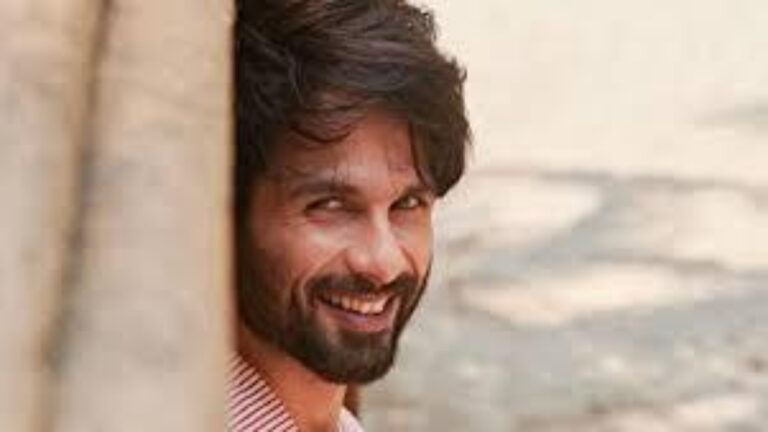
New Delhi, June 12, 2026: Even after spending over two decades in the film industry, Bollywood actor Shahid Kapoor has dropped a surprisingly candid confession. he is no longer trusting his gut alone when it comes to picking movies. Following the back-to-back box office disappointments of his recent films, the action-thriller Deva and Vishal Bhardwaj’s highly anticipated romantic action-thriller O Romeo, the actor has completely overhauled his script-selection strategy.

In a remarkably honest interview during the promotional rounds for his next major release, Cocktail 2, Shahid admitted that he has stopped attending script narrations by himself. Acknowledging that an actor’s personal artistic vision doesn’t always translate into a box-office hit, he has actively chosen to deconstruct his ego and bring a democratic approach to his career choices.

Moving Away from the “Solo Voice”

For years, Shahid Kapoor operated like most traditional cinematic stars, taking one-on-one narrations from directors and writers, and relying heavily on whether the concept struck a chord with his personal creative sensibilities. However, the actor revealed that this isolated approach was creating a blind spot.

To fix this, Shahid has implemented a strict new rule for his management and creative team. Moving forward, he insists on having at least three other people sitting in the room during any new project pitch. The goal is to strip away the singular, isolated “imagination bubble” that actors often fall into and replace it with a pragmatic, multi-angled evaluation of a film’s potential.

The Reality Check: Deva and O Romeo

This massive operational shift didn’t happen in a vacuum. It is the direct result of a tough box-office run. The setbacks began with Deva, a cop drama directed by Rosshan Andrrews. Despite the backing of producer Siddharth Roy Kapur and considerable pre-release hype, the film received mixed reviews and underperformed, grossing around ₹56.32 crore worldwide against a budget of ₹50 crore.

The sting became sharper with O Romeo. Directed by master filmmaker Vishal Bhardwaj—with whom Shahid previously delivered career-defining, critically acclaimed masterpieces like Kaminey and Haider—the film carried sky-high expectations. Built on a massive budget of ₹150 crore, the ambitious romantic action-thriller failed to spark a connection with mainstream audiences, stalling out at approximately ₹110 crore globally.

Shahid reflected on the humbling nature of these setbacks, noting that longevity in Bollywood offers no immunity to failure:

Stopping the Forced Marriage of Art and Commerce

Beyond changing who sits in the room during script meetings, Shahid has also undergone a deeper philosophical shift regarding the types of cinema he wants to pursue. For a large portion of his career, he found himself trapped in a creative tug-of-war, attempting to infuse artistic, logical nuances into massive commercial entertainers, or trying to scale up offbeat, experimental stories into commercial spaces.

The actor admitted that trying to blend these two fundamentally opposing worlds was “tearing him apart.” He has now decided to stop forcing them together and instead treat them as entirely separate entities.

If he takes on a commercial project, he intends to fully submit to its mainstream, escapist nature without obsessing over hard logic. Conversely, if he takes on an experimental, edge-of-the-seat project, he will do so entirely for the love of the craft, without expecting or burdening the film with the pressure of generating massive box-office metrics.

Also Read: A Faster, Smarter Way to Travel: Railway Minister Announces Launch of Upgraded IRCTC Platform

Looking Ahead: Cocktail 2 and Beyond

Instead of letting the recent string of underperforming films weigh him down, Shahid claims the rough patch has actually had a liberating effect, allowing him to strip away overconfidence, return to the basics, and keep his eyes and ears open as a student of the craft.

The first test of this evolved mindset will be put to the test very soon. Shahid is currently gearing up for the theatrical release of Cocktail 2. Directed by Homi Adajania and written by Tarun Jain and Luv Ranjan, the romantic comedy positions Shahid at the center of a vibrant love triangle alongside Kriti Sanon and Rashmika Mandanna. Harkening back to the spirit of the 2012 hit Cocktail, the film has already drummed up significant positive momentum via its trailer and hit music tracks.

Beyond his immediate theatrical return, Shahid is keeping his upcoming slate intentionally lean and calculated. His only other major confirmed project on the horizon is the highly anticipated second season of Raj & DK’s hit crime-thriller series Farzi on Prime Video. By taking his time and relying heavily on his newly established panel of sounding boards, Shahid Kapoor is focused on slowly, deliberately mapping out his next definitive onscreen chapter.

A Faster, Smarter Way to Travel: Railway Minister Announces Launch of Upgraded IRCTC Platform

0

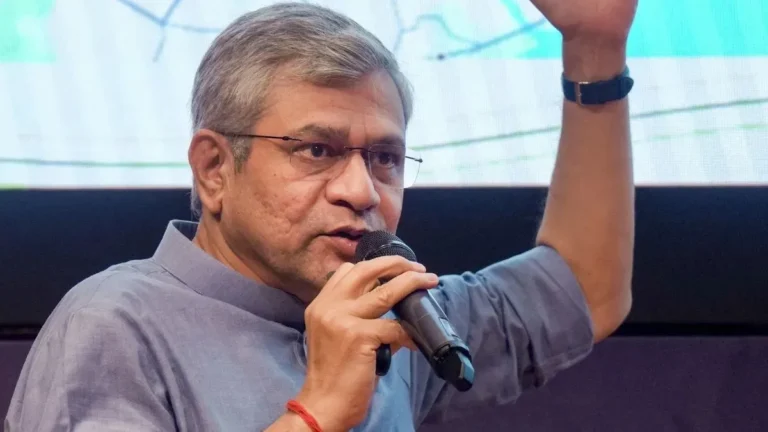
New Delhi, June 12, 2026: In a major move to address years of commuter frustration, Union Railway Minister Ashwini Vaishnaw has officially announced that a completely redesigned, ultra-fast Indian Railway Catering and Tourism Corporation (IRCTC) website will be launched by July 15, 2026.

The dramatic announcement unfolded during an interactive session at the Malaviya National Institute of Technology (MNIT) in Jaipur. When students raised complaints about persistent lagging, tedious CAPTCHA verification loops, and regular website crashes during high-stakes Tatkal windows, the minister responded immediately. On the spot, Vaishnaw dialed senior railway and IRCTC tech officials, directing them to overhaul the portal within a strict 30-day window.

This upcoming portal is not just a cosmetic makeover; it is a structural revolution tied to a massive modernization of the central Passenger Reservation System (PRS). With nearly 88% of train tickets in India booked online, the government is introducing heavy-duty digital upgrades designed to put an end to booking-hour anxiety.

Massive Tech Muscle: No More Tatkal Crashes

The current IRCTC platform often buckles under peak traffic, handling roughly 25,000 to 32,000 ticket bookings per minute. When the clock strikes 10:00 AM or 11:00 AM for daily Tatkal reservations, millions of users hitting the servers simultaneously cause agonizing slowdowns and abrupt logouts.

The upcoming portal completely rewrites this capacity framework. Built on modern, scalable digital architecture, the backend is being engineered to support over 1.5 lakh (150,000) ticket bookings per minute—a stunning five-fold increase. Furthermore, the website’s capacity to handle general queries and search traffic will see a ten-fold jump, skyrocketing from 4 lakh enquiries to a staggering 40 lakh enquiries per minute. For travelers, this means fluid loading times, zero page freezes, and instantaneous page transitions, even during peak rush hours.

Revolutionizing the User Interface: CAPTCHAs, AI, and Seat Choices

Beyond raw speed, the core layout of the platform is being built around passenger ease. One of the biggest pain points being tackled is the infamous CAPTCHA system. Over-complicated security checks that repeatedly fail or expire will be replaced by smarter, faster authentication filters that verify human users smoothly without ruining their booking speed.

Indian Railways is also addressing a long-standing demand: a transparent seat choice feature. While passengers could previously check preferences like lower or upper berths, the revamped website intends to give users a much clearer visual handle on seat selection during the booking loop. This feature operates alongside an intuitive fare calendar, allowing budget-conscious passengers to view prices across multiple dates at a single glance, making it significantly simpler to plan cost-effective journeys.

Furthermore, integrating advanced AI capabilities into the system will provide data-backed predictions for waitlisted tickets. Passengers will be able to see highly accurate confirmation probabilities, allowing them to make informed choices about whether to finalize a waitlisted booking or look for alternative trains.

Curbing Illegal Agents and Enhancing Security

A major reason why ordinary citizens struggle to secure tickets during holiday seasons is the interference of illegal ticketing agents utilizing automated booking bots. To level the playing field, Indian Railways has introduced a stringent security policy. Moving forward, the platform mandates the use of Aadhaar-verified IRCTC User IDs for booking both Tatkal and emergency quota tickets.

This verification layer acts as a digital shield against malicious bot scripts and bulk automated bookings. By enforcing real-identity verification, the government ensures that genuine individual passengers get prime access to seat inventories before third-party commercial software can snatch them up. This security push follows an intense clean-up operation where the government aggressively deactivated over 2.5 crore inactive or suspicious user profiles.

Inclusive, Multilingual, and Ecosystem-Wide Integration

Recognizing the immense linguistic diversity of Indian rail travelers, the upgraded IRCTC website will debut with a deeply optimized multilingual platform. Users will be able to navigate, search, and execute end-to-end payments in multiple regional languages without facing broken translation links or layout errors. The portal also features integrated accessible layouts dedicated to Divyangjan (differently-abled citizens), students, and medical patients, helping ensure that discounted quotas and specialized physical assistances can be claimed cleanly online.

The web-based upgrade acts in perfect harmony with the Indian Railways’ recently deployed “RailOne” super app. While reserved long-distance tickets remain the hallmark of the IRCTC website, the ecosystem is built for all-inclusive convenience. Travelers can transition seamlessly between platforms using universal mPIN and biometric logins. A quick look across the broader system reveals just how unified the travel experience is becoming:

The Road Ahead for Indian Rail Tech

The upcoming launch on July 15 represents a massive milestone in India’s quest to completely digitalize its public infrastructure. By combining extreme server throughput with a user-first layout, the Ministry of Railways aims to turn a notoriously stressful booking process into a relaxed, minute-long task.

As the new website rolls out next month and old trains systematically transition to the advanced backend infrastructure, the days of staring at spinning loading wheels while watching your desired seats vanish into thin air will finally become a thing of the past.

Virat Kohli Skips Airport Photos as Daughter Vamika Waits in the Car

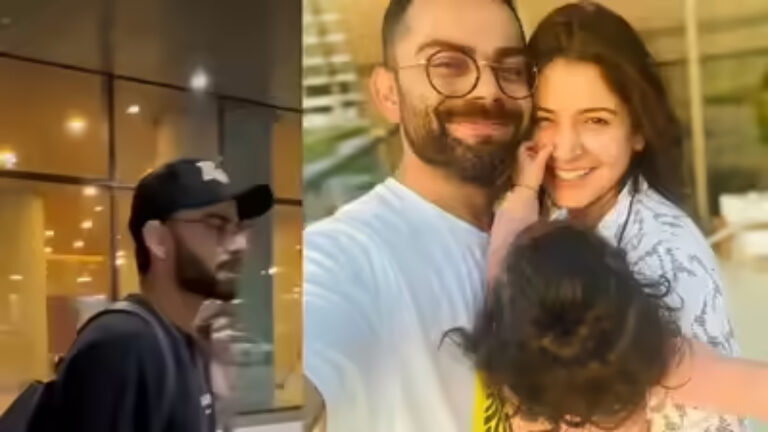
New Delhi, June 11, 2026: The incident occurred as Kohli was returning from Ahmedabad. A video captured by paparazzi and widely circulated across platforms shows the cricketer exiting the airport terminal alone, carrying his luggage. Dressed casually and wearing a face mask, Kohli appeared determined to reach his destination without delay. As a throng of photographers and camera crews quickly surrounded him, requesting their standard celebrity poses and red-carpet-style footage, Kohli briefly lowered his mask to address the crowd directly.

Instead of engaging in a photo session, Kohli made a direct, heartfelt appeal to the media personnel, asking for space. “Arey beti ko ghar leke jana hai yar please (I have to take my daughter home, friends, please),” Kohli was recorded saying as he moved swiftly toward his waiting car. Without stopping for further interaction, he entered the vehicle to join his daughter, leaving the paparazzi behind. The moment highlighted a raw, authentic glimpse of a father prioritizing his child over the relentless demands of the public eye.

Netizens Rally Behind ‘Father First’ Stance

As soon as the footage surfaced on celebrity digital handles, it triggered an immense wave of support from fans and the general public alike. Social media was flooded with comments praising Kohli’s clear priorities and his firm stance on child safety and privacy. Many users noted that despite his global stardom, his immediate instinct was that of a protective parent.

Another popular narrative emerging among fans connected the incident to the family’s recent lifestyle adjustments, with comments pointing out that their desire for a quieter, more grounded upbringing for their children is likely why they chose to officially relocate to London.

However, as with most viral celebrity moments, the incident also sparked a broader digital debate. A section of social media users questioned the mechanics of paparazzi culture in India, with some critics alleging that media photographers rarely gather in such specific airport zones unless notified by celebrity PR teams. These comments questioned why public figures would allow public coordination if they desired complete anonymity.

Despite minor skepticism, the overwhelming consensus remained heavily in Kohli’s favor. Fans quickly counter-argued that airports are highly monitored public hubs where paparazzi remain stationed around the clock, making it impossible for a public figure of Kohli’s stature to slip through unnoticed.

A Comprehensive Timeline of the ‘Virushka’ Privacy Stance

This airport encounter is far from an isolated event; it is part of a highly disciplined, years-long framework established by Virat Kohli and his wife, Bollywood actress Anushka Sharma, to shield their children from the intense glare of public media.

December 2017: The Private Italian Wedding

Dec 2017

Virat Kohli and Anushka Sharma tied the knot in a highly private, intimate ceremony in Tuscany, Italy, setting an early precedent for how they intended to manage their personal milestones away from domestic media frenzy.

January 2021: Birth of Vamika & Media Appeal

Jan 2021

Following the birth of their first child, Vamika, the couple released an official joint statement to the media fraternity, explicitly requesting publications to refrain from taking, purchasing, or publishing unauthorized photographs of their daughter.

January 2022: The South Africa Broadcast Incident

Jan 2022

During a live broadcast of a bilateral cricket match in Cape Town, stadium cameras panned to Anushka Sharma holding Vamika in the stands. The screenshots went viral instantly. The couple issued a public clarification stating they were caught off-guard and re-emphasized their request for digital restraint.

February 2024: Welcoming Son Akaay

Feb 2024

The couple welcomed their second child, a son named Akaay. True to their established boundaries, they maintained strict confidentiality around the pregnancy and birth, ensuring his identity remained entirely protected from public platforms.

Seeking a more conventional environment where their young children could experience daily life without being followed by lenses, the family officially shifted their primary residence to London, United Kingdom.

The Balancing Act of Global Stardom

The couple’s persistent plea to protect their children stems from a distinct philosophical choice. Kohli has previously shared in public forums that they do not wish to expose their children to the artificial bubble of social media and constant public attention before they are old enough to understand it and make their own informed choices.

What makes this protective stance notable is how cleanly the couple separates their public lives from their private world. Just days prior to this airport incident, Virat and Anushka were in Ahmedabad celebrating a historic milestone. Following a triumphant campaign where the Royal Challengers clinched the IPL 2026 trophy, the duo was seen interacting warmly with hotel staff and locals.

They even made headlines for a heartwarming gesture toward an emotional fan and hotel hospitality worker named Ashi, leaving her a personalized, handwritten note that read: “To Ashi, thank you for all the help. Best wishes from us.” Following the tournament, the couple also engaged in a quiet spiritual journey, visiting Vrindavan to seek blessings from spiritual leader Premanand Maharaj, followed by a brief family stopover in Delhi before attempting to return home.

Ultimately, Virat Kohli’s refusal to pose at the airport serves as a reminder of the shifting dynamics between public figures and modern media. While celebrities today are more accessible than ever through digital channels, the boundaries surrounding children remain a critical line in the sand. By choosing his role as a father over a quick public relations moment, Kohli continues to lead by example, showing that safeguarding his daughter’s childhood will always take priority over public stardom.