Home Blog Page 243

The “Nothing Update”: Minecraft’s 2026 Crisis

0

New Delhi, February 19, 2026: A growing segment of the player base has dubbed the latest series of patches “The Nothing Update,” a biting nickname that reflects a deep-seated exhaustion with the game’s current direction. While Mojang has officially titled recent drops around themes of “vibrant visuals” and “cute creatures,” many veteran players feel the game is effectively treading water.

Why Players Are Frustrated

The backlash centers on a perceived lack of substance. For years, Minecraft updates were major cultural events that overhauled entire dimensions or introduced game-changing mechanics. In contrast, the 2026 updates have focused heavily on:

  • Aesthetic Overhauls: Redesigns for baby mobs (like “fluffier” puppies and “rounder” chicks) and the addition of the Capybara and Red Panda.
  • “Gimmick” Mechanics: The new Mimicry system allows players to transform into small animals. While fun for minigames, players argue it doesn’t add depth to the core survival loop.
  • Minor Quality-of-Life: Changes like craftable name tags, while helpful, feel like “too little, too late” for a studio backed by Microsoft’s billions.

On platforms like Reddit and X (formerly Twitter), the sentiment is clear. “I’m tired of updates just adding a new wood type and a mob that doesn’t do anything,” one top-voted post reads. “We need a reason to explore the world again.”

The “Game Drop” Strategy Under Fire

Part of the “Nothing” label stems from Mojang’s shift to “Game Drops”—smaller, more frequent updates. While this was intended to keep the game fresh, critics argue it has resulted in a “quantity over quality” problem. Instead of one cohesive, world-changing expansion, players feel they are receiving a scattered collection of “nothing burgers” that fail to address long-standing requests, such as an End Dimension overhaul or a revamp of outdated biomes.

Technical Troubles and Performance

Adding fuel to the fire, the Bedrock Edition has been plagued by performance issues following recent updates. Reports of memory leaks, plummeting frame rates, and severe lag even on high-end PCs have turned “The Nothing Update” into a “Breaking Update” for some.

Is This the “End” of Growth?

Rumors and misinformation have swirled amidst the chaos, with some cynical fans speculating that Mojang is winding down development. While the studio has explicitly denied these claims—confirming a roadmap that includes new UI updates and spinoffs like Minecraft Spicewood—the disconnect between the developers and the hardcore community has never been wider.

For many, the “Nothing Update” isn’t just about a lack of features; it’s a protest against the feeling that the world’s most popular sandbox has stopped growing in the ways that matter most to its builders.
Tata Secures OpenAI as Anchor Client for India Data Centers

0

New Delhi, February 19, 2026: In a landmark development for India’s digital landscape, the Tata Group has officially secured OpenAI, the creator of ChatGPT, as its first anchor customer for its ambitious new data center business.

The announcement, made during the India AI Impact Summit 2026 in New Delhi, marks a strategic pivot for India’s largest conglomerate and a massive vote of confidence in the country’s capacity to host world-class artificial intelligence infrastructure.

The “Stargate” Connection: 1 Gigawatt Vision

The partnership is a central pillar of OpenAI’s “OpenAI for India” initiative and fits into its broader global Stargate project—a multi-billion dollar plan to build specialized AI infrastructure for training and inference.

Under the agreement, OpenAI will utilize HyperVault, the newly established data center arm of Tata Consultancy Services (TCS). The project will kick off with an initial capacity of 100 Megawatts (MW), with a clear roadmap to scale up to a staggering 1 Gigawatt (GW). This scale would place the Tata-OpenAI facility among the largest AI-optimized data centers globally.

Why This Matters for India

For years, Indian data has often been processed in servers located in the US or Europe. This deal changes the narrative:

  1. Sovereign AI & Data Residency: By hosting models locally, OpenAI can meet India’s strict data residency and security requirements. This is particularly crucial for “mission-critical” sectors like government services, healthcare, and finance.
  2. Lower Latency: Indian developers and enterprises will experience significantly faster response times (lower latency) when using OpenAI’s advanced models, such as GPT-4o and its successors.
  3. Industry-Specific Solutions: TCS and OpenAI are not just stopping at infrastructure. They have committed to co-developing “Agentic AI” solutions tailored for industries like manufacturing, retail, and banking, leveraging TCS’s deep domain expertise.

The Tata Group’s AI Integration

The collaboration is a “two-way street.” While OpenAI becomes a customer of Tata’s infrastructure, the Tata Group is becoming a massive consumer of OpenAI’s technology:

  • ChatGPT Enterprise: Tata Sons Chairman N. Chandrasekaran confirmed that the group will deploy ChatGPT Enterprise to its hundreds of thousands of employees, starting with TCS.
  • Software Development: TCS plans to integrate OpenAI’s Codex into its software development life cycle to boost productivity for its global client base.

A Competitive AI Landscape

This deal comes at a time of intense competition in the Indian AI space. Rival giants like Reliance Industries and the Adani Group have also announced massive investments in AI compute hubs, with Adani pledging $100 billion toward data centers by 2035.

However, by securing OpenAI—the world’s most prominent AI startup—as its first customer, the Tata Group has seized a significant “first-mover” advantage in the race to build the “infrastructure of intelligence.”

Leadership Quotes

“India is already leading the way in AI adoption. Through ‘OpenAI for India,’ we are working to build the infrastructure, skills, and local partnerships needed to build AI with India, for India, and in India.” — Sam Altman, CEO of OpenAI.

“This strategic collaboration marks a major milestone in India’s vision to become a global leader in AI. We are establishing India’s first large-scale, AI-optimized infrastructure for next-generation training and inference.” — N. Chandrasekaran, Chairman, Tata Sons.

Market Reaction

The news sent ripples through the stock market, with TCS shares rising nearly 2% following the announcement. Investors view the move as a vital diversification for TCS, moving it beyond traditional IT services into the high-margin world of AI infrastructure and cloud provisioning.

As India prepares to host over 100 million weekly ChatGPT users, the Tata-OpenAI alliance ensures that the backbone of this digital revolution remains firmly rooted on Indian soil.

Monkey Attack Spooks Motorcyclists in Thailand

0

New Delhi, February 19, 2026: What was supposed to be a scenic mountain ride turned into a terrifying ordeal earlier this month when a wild macaque ambushed a local couple, causing a high-speed crash in Khao Yai National Park.

The incident, captured on a pillion passenger’s camera on February 2, 2026, has once again highlighted the growing tension between Thailand’s urban expansion and its aggressive primate populations.

The Ambush: “It Happened in Seconds”

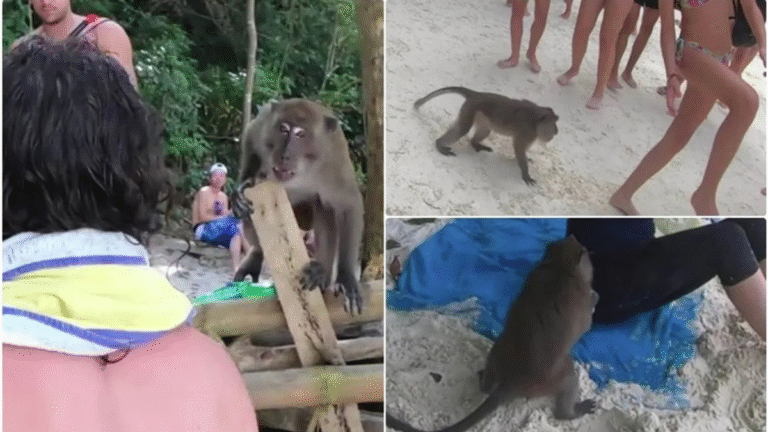
Mod Wisuda and her boyfriend were navigating a winding mountain road when they spotted a lone long-tailed macaque standing defiantly in the center of the lane. As they slowed to pass, the primate didn’t retreat. Instead, it lunged forward with startling speed, leaping directly onto the motorcycle.

The sudden weight and aggression of the animal caused the rider to lose his balance. The bike wobbled before crashing onto the asphalt, sending both riders sliding across the road.

“It took the food we had for our picnic and then ran off into the forest,” Wisuda told local reporters. “I suffered a minor wound on my hand from the fall, but it could have been much worse.”

While the riders escaped with scrapes and bruises, the monkey successfully made off with their “loot”: a bag of crisps and two packets of sticky rice.

A Growing National Crisis

This latest attack is part of a spike in primate-related violence across Thailand in early 2026. From the “monkey city” of Lopburi to the tourist beaches of Phuket and Krabi, macaques are becoming increasingly bold.

Experts point to several factors driving this behavior:

  • Habitat Loss: Deforestation is pushing troops closer to human settlements.
  • Food Dependency: Years of being fed by tourists have caused monkeys to lose their fear of humans and associate vehicles with food.
  • Population Surge: Despite sterilization efforts, some areas have seen macaque numbers nearly double over the last decade.

Government and Safety Response

In response to the “monkey menace,” the Thai Department of National Parks (DNP) has accelerated plans to relocate aggressive “alpha” males to large forest enclosures. In Lopburi alone, officials hope to capture over 2,500 monkeys to restore peace to the downtown area.

Health officials have also issued stern warnings. Monkey bites are not just painful; they carry significant risks of rabies and the Herpes B virus, which can be fatal to humans if not treated immediately.

Tips for Travelers

If you find yourself on a motorcycle in a “monkey zone,” authorities recommend the following:

  1. Never Stop to Feed: Feeding is often illegal and encourages aggressive “highway robberies.”
  2. Hide Your Goods: Keep all food and shiny objects (like sunglasses or keys) inside closed bags or under the seat.
  3. Maintain Distance: If a monkey is in the road, slow down but do not stop; they often perceive a halt as an invitation to board the vehicle.

The clash between humans and macaques remains a delicate balance for Thailand—a country that views the animals as both a cultural symbol and, increasingly, a public safety hazard.

Namo Bharat & Meerut Metro: Your New All-Access Pass

0

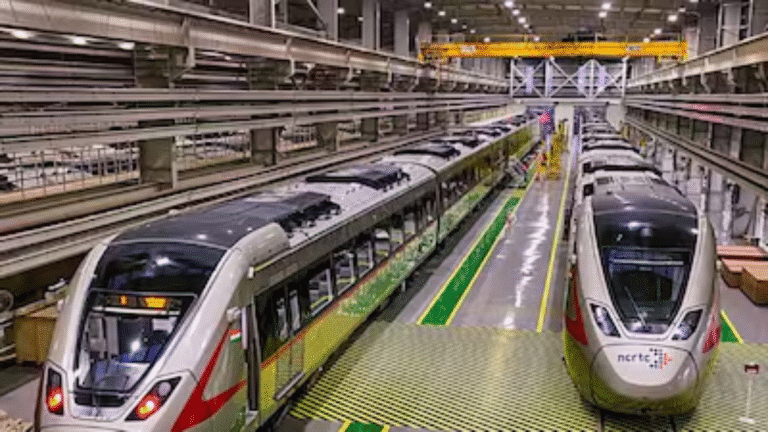
New Delhi, February 19, 2026: Commuters in Uttar Pradesh are set to experience a paradigm shift in regional travel as the Namo Bharat (RRTS) and the upcoming Meerut Metro transition to a unified single-ticket system. This integration, managed by the National Capital Region Transport Corporation (NCRTC), aims to eliminate the friction of modern commuting by allowing passengers to navigate both high-speed regional rail and local metro services with a single digital or physical ticket.

A Revolutionary Integrated Transit Model

In a first-of-its-kind initiative for India, the Meerut Metro and Namo Bharat trains will not only share the same physical infrastructure—including tracks and stations over a 23-km stretch—but will now share a seamless digital ecosystem.

Previously, multi-modal travel often required passengers to queue multiple times or use different apps for various legs of their journey. With the adoption of the single-ticket system, commuters can now book a single journey that spans both the regional high-speed corridor (connecting Delhi and Ghaziabad) and the local Meerut Metro stations.

Key Features of the Single-Ticket System

  • Simultaneous Booking: Through the “Namo Bharat Connect” app, passengers can book QR-based tickets for both services in one go.
  • Interoperable Smart Cards: The National Common Mobility Card (NCMC) and existing NCRTC smart cards will work across both systems, allowing users to tap-in and tap-out without needing separate balances.
  • One India, One Ticket: This initiative aligns with the Prime Minister’s “Gati Shakti” vision, integrating with IRCTC and DMRC (Delhi Metro) to allow cross-platform ticket purchases.

Unprecedented Speed and Connectivity

The integration is more than just a ticketing update; it is a feat of engineering. The Meerut Metro is poised to become the fastest metro in India, with operational speeds of up to 120 kmph.

FeatureNamo Bharat (RRTS)Meerut Metro
Operational Speed160 kmph120 kmph
Primary GoalRegional connectivity (Delhi–Meerut)Local intra-city transit
Shared CorridorMeerut South to ModipuramMeerut South to Modipuram
Stations on Shared Path3 Major Stops (Limited)13 Local Stops (Detailed)

By sharing tracks, the system ensures that a commuter from Delhi can arrive at Meerut South via Namo Bharat and immediately board a Meerut Metro train on the same platform to reach a local destination like Begumpul or Modipuram—all on the same ticket.

Benefits for the Everyday Commuter

  1. Reduced Travel Time: The combined system is expected to cut the travel time between Delhi and Meerut to roughly 55 minutes, down from the current 3–4 hours by road.
  2. Cost Efficiency: Unified ticketing often comes with integrated fare structures, preventing passengers from paying multiple “base fares” when switching between modes.
  3. Hassle-Free Interchanges: Passengers will no longer need to exit the station or undergo secondary security checks when moving between the Namo Bharat and Meerut Metro platforms at integrated stations.
  4. Modern Amenities: Both systems offer air-conditioned coaches, luggage racks, CCTV surveillance, and dedicated sections for women and persons with disabilities.

A Boost for Regional Growth

The synergy between Namo Bharat and Meerut Metro is expected to transform Meerut from a traditional Tier-2 city into a powerful satellite hub of the National Capital Region (NCR). Real estate experts predict a surge in commercial and residential demand near the 13 metro stations, as the ease of a “single-ticket” commute makes living in Meerut and working in Delhi a viable daily reality.

With trials nearing completion and a formal inauguration expected soon, the “Single-Ticket, Shared-Track” model is being hailed as the future blueprint for urban mobility in India.

Priyanka Chopra’s Yellow Saree Sets a New Global Standard

0

New Delhi, February 19, 2026: Priyanka Chopra Jonas has long been the unofficial ambassador for the contemporary “Desi Girl” aesthetic, but her latest international appearance has officially moved the needle from “cultural representation” to “global fashion dominance.” Stepping out in a vibrant, sun-drenched yellow saree, Chopra didn’t just wear a traditional garment; she gave it a fierce, high-fashion makeover that resonated across social media and the elite circles of the fashion world.

Here is how the superstar turned a classic drape into a masterclass in modern international style.

A Bold Spin on Tradition

While the saree is a staple of Indian heritage, Priyanka’s choice of a monochromatic, electric yellow palette brought a sharp, modern edge to the look. Moving away from heavy, traditional embroidery, the outfit focused on structure and silhouette.

  • The Fabric: A lightweight, fluid material that allowed for a sleek, body-con drape, trading volume for a sharper, more athletic profile.
  • The Blouse: Priyanka opted for a contemporary neckline that bridged the gap between a traditional choli and a couture bodice, proving that the saree’s versatility is its greatest strength.
  • The Styling: Minimalist gold accents and a confident, “undone” hairstyle kept the focus on the striking color and the wearer’s poise.

Bridging the East-West Divide

What makes this look “fierce” isn’t just the aesthetics—it’s the context. By wearing a saree to a high-profile international event, Chopra continues to dismantle the idea that ethnic wear is “costume-like” or reserved only for cultural festivals.

She treated the saree with the same irreverent glamour one might afford a Versace gown or a Chanel suit. This shift in perception is a testament to her influence as a global icon; she isn’t just representing her roots, she is weaving them into the fabric of mainstream luxury fashion.

“The saree is not just an outfit; it’s a statement of identity and power. Priyanka’s latest look proves that traditional silhouettes can be the most avant-garde thing in the room.”

Impact on Global Trends

The “Priyanka Effect” is already being felt. Fashion analysts suggest that this specific shade of yellow, combined with the minimalist drape, will likely trigger a surge in interest for “Neo-Indian” evening wear.

  1. Monochromatic Mastery: Using a single bold color to modernize complex drapes.
  2. Accessory Restraint: Letting the garment’s architecture do the heavy lifting.
  3. Global Accessibility: Making the saree feel approachable and aspirational for a non-Indian audience.

The Verdict

Priyanka Chopra Jonas remains the undisputed queen of the crossover. By bringing the yellow saree to the international stage with such unapologetic ferocity, she has reminded the world that the “Desi Girl” isn’t a trope—she’s a trendsetter.

Ranbir Kapoor and Alia Bhatt Redefine Wedding Elegance with Daughter Raha

0

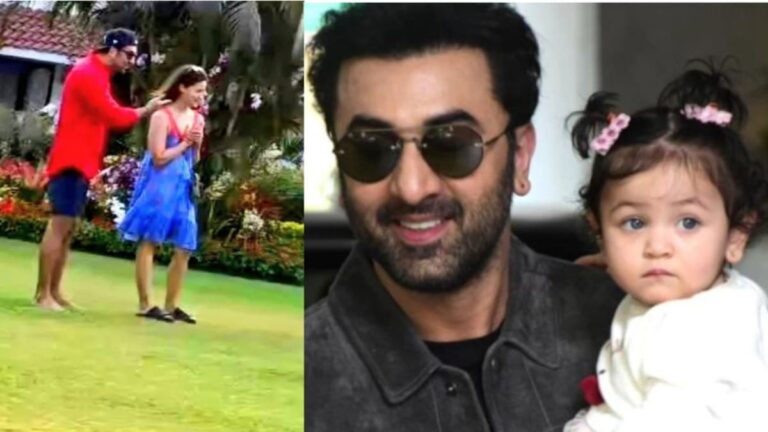
New Delhi, February 19, 2026: In the world of high-profile Indian weddings, where maximalism often takes center stage, Ranbir Kapoor and Alia Bhatt recently reminded fans that true elegance lies in simplicity. The powerhouse couple made a stunning appearance at a recent family celebration, turning heads not with over-the-top couture, but with understated, traditional grace.

The highlight of the event, however, was the presence of their daughter, Raha, who has quickly become the internet’s favorite little fashionista.

Timeless Style: A Masterclass in Subtlety

While many Bollywood stars opt for heavy embellishments and neon palettes, Ranbir and Alia leaned into the “quiet luxury” of Indian ethnic wear. Their coordinated looks were a breath of fresh air, proving that classic silhouettes never go out of style.

  • Alia Bhatt’s Ethereal Glow: Alia opted for a delicate saree that highlighted her penchant for soft, pastel hues. The ensemble featured intricate but minimal threadwork, allowing the craftsmanship to speak for itself. She paired the look with traditional jhumkas and kept her makeup dewy and natural, embodying the “clean girl” aesthetic within a traditional framework.
  • Ranbir Kapoor’s Regal Simplicity: Complementing Alia perfectly, Ranbir chose a well-tailored silk kurta paired with a classic Nehru jacket. His look was a testament to the fact that a sharp fit and premium fabric beat loud patterns every time.

Raha Steals the Spotlight

While the parents looked impeccable, it was little Raha who truly stole the show. Dressed in a miniature traditional outfit that mirrored the sophistication of her parents, she looked every bit the “Kapoor princess.”

The family’s appearance underscored a growing trend among B-town celebrities: moving away from the “costume” feel of weddings toward more wearable, authentic Indian heritage pieces.

Key Takeaways from Their Wedding Guest Look

If you’re looking to channel the Kapoor-Bhatt vibe for the upcoming wedding season, keep these three pillars in mind:

  1. Fabric Over Filigree: Focus on high-quality silks, organzas, and linens rather than heavy stone work.
  2. The Pastel Palette: Mint greens, peach fuzz, and ivory are the colors of the season.
  3. Minimalist Accessories: Let one statement piece—like a pair of heavy earrings or a vintage watch—be the hero of your outfit.

The Evolution of the “Power Couple” Aesthetic

Since their own wedding in 2022, Ranbir and Alia have consistently championed a more grounded approach to public appearances. Their ability to balance their massive stardom with a relatable, family-first image is exactly why they remain at the top of the fashion charts. By including Raha in these cultural festivities, they aren’t just making a fashion statement; they are sharing a glimpse into their life as a modern, doting Indian family.

Mid-Air Terror: 188 Safe After Door Blowout

0

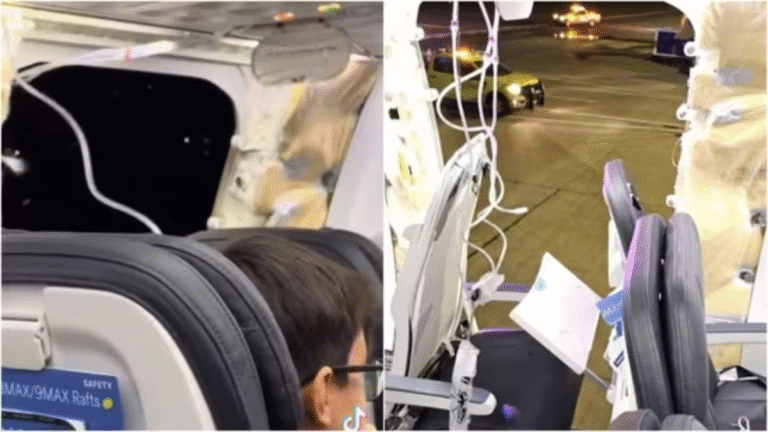
New Delhi, February 19, 2026: A routine domestic flight turned into a scene of mid-air desperation Tuesday afternoon when a cabin door partially detached at cruising altitude, exposing 188 passengers and crew to freezing winds and sudden decompression.

The incident occurred approximately 20 minutes into the flight, as the aircraft reached an altitude of roughly 15,000 feet. Witnesses describe a “deafening bang” followed by a violent rush of air that sent personal belongings, magazines, and debris swirling through the cabin.

A Struggle Against the Elements

As the cabin pressure dropped, oxygen masks deployed automatically from the overhead compartments. Passengers reported a sudden, sharp drop in temperature and a roar of wind so loud that verbal communication became impossible.

“It felt like the plane was being exhaled,” said one passenger seated near the wing. “The person next to me was gripped by sheer terror, and for a few seconds, we all just stared at the gap where the sky was visible. The flight attendants were incredible—they moved with total focus despite the chaos.”

Emergency Descent and Landing

The flight crew immediately declared an emergency, initiating a rapid descent to a lower altitude where the air is breathable without supplemental oxygen. Air Traffic Control prioritized the vessel for an immediate return to the departure airport.

Quick Stats of the Incident:

  • Total Souls Onboard: 188 (182 passengers, 6 crew)
  • Altitude at Failure: ~15,000 feet
  • Injuries: 12 treated for ear pain and hyperventilation; no fatalities.
  • Duration of Emergency: 14 minutes from failure to touchdown.

Ground crews and emergency vehicles lined the runway as the aircraft made a high-speed but stable landing. All 188 people were evacuated via the terminal gate, with medical teams standing by to treat shock and minor injuries related to the pressure change.

Investigation Underway

Aviation authorities have grounded the specific aircraft involved and launched a “top-to-bottom” forensic investigation. Preliminary reports suggest a potential failure in the door’s locking mechanism or a structural fatigue issue, though investigators have not ruled out maintenance oversight.

The airline issued a brief statement late Tuesday evening:

“Our primary concern is the well-being of our passengers and crew. We are cooperating fully with the National Transportation Safety Board to determine the root cause of this mechanical failure and ensure such an event never happens again.”

The Path Forward

Incidents of “uncontrolled decompression” are rare in modern aviation due to redundant locking systems and rigorous inspection cycles. This event is expected to trigger a fleet-wide inspection of similar aircraft models to ensure the integrity of cabin seals and door latches.

For the 188 people onboard, the journey ended safely on the ground, though the psychological impact of the ordeal will likely linger far longer than the flight itself.

Rishi Sunak Witty Take on Dinner with the Murthys Goes Viral at India AI Summit

0

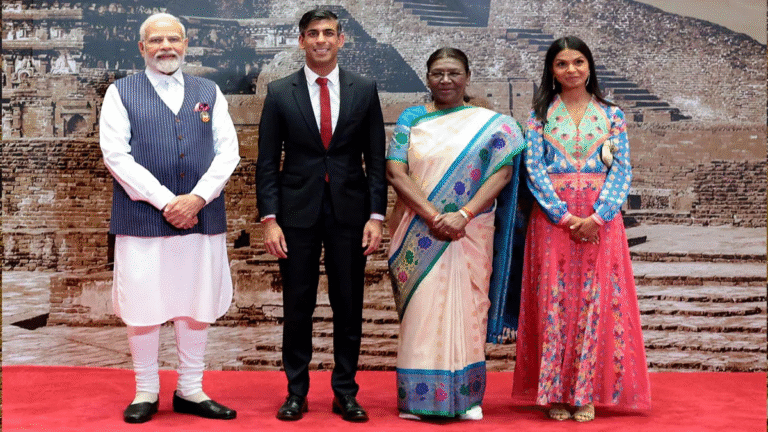
New Delhi, February 19, 2026: The India AI Summit became the center of digital attention this week, but it wasn’t just the discussions on neural networks or global regulation that captured the public’s imagination. Instead, a lighthearted, witty remark from former British Prime Minister Rishi Sunak regarding his family life and his famous in-laws, the Murthys, has gone viral across social media platforms.

The moment occurred during a high-profile fireside chat where the conversation pivoted from the future of technology to the personal dynamics of one of the world’s most influential families.

The Remark That Sparked the Internet

While discussing the rapid pace of innovation, Sunak was asked about his personal interactions with his father-in-law, N.R. Narayana Murthy, the legendary co-founder of Infosys. Known for his disciplined lifestyle and relentless work ethic, Narayana Murthy is a towering figure in the global tech landscape.

Sunak, with his characteristic dry wit, joked about the “high-pressure” environment of a family dinner with the Murthys. He hinted that while most families discuss movies or sports over a meal, a seat at the Murthy table feels more like a high-stakes board meeting” or a masterclass in global economics.

“People ask what a relaxed Sunday dinner is like with the Murthys,” Sunak quipped. “I usually tell them I have to bring a slide deck and a three-year growth strategy just to get passed the salt.”

The audience erupted in laughter, and the clip quickly migrated to X (formerly Twitter), LinkedIn, and Instagram, where users praised Sunak’s ability to humanize his high-profile relationships with humor.

Why the Moment Resonated

The viral success of the comment highlights a few key themes that resonate with a global audience:

  • Relatability in High Places: Despite the immense wealth and political power involved, the “intimidating father-in-law” trope is a universal experience that many people find endearing.
  • The Murthy Legacy: N.R. Narayana Murthy and Sudha Murty are iconic figures in India, respected for their simplicity and intellect. Seeing that legacy framed through a humorous lens added a layer of warmth to their public personas.
  • A Shift in Tone: The India AI Summit is primarily a serious venue for policy and tech advancement. Sunak’s levity provided a welcome “human” break from the dense technical jargon of the day.

The Intersection of AI and Family

Beyond the jokes, Sunak did touch upon a serious point: the generational shift in technology. He noted that while his father-in-law helped build the foundations of the Indian IT revolution, the current generation—including his own children—is growing up in a world where Artificial Intelligence isn’t a tool, but a fundamental part of their environment.

Sunak emphasized that India remains at the heart of this transformation, acting as a bridge between traditional software services and the future of generative intelligence.

Key Takeaways from the Summit

While the witty remark grabbed the headlines, the summit also reinforced several critical points regarding India’s role in the AI landscape:

FeatureDescription
Talent PoolIndia’s massive developer base is pivoting rapidly toward AI-first engineering.
RegulationCalls for a balanced approach that encourages innovation while protecting data privacy.
Global CollaborationThe importance of the UK-India partnership in setting ethical AI standards

Conclusion

Rishi Sunak’s viral comment served as a reminder that even at the highest levels of global leadership and tech innovation, personal connections and a sense of humor remain vital. By poking fun at the “intellectual rigors” of his family dinners, he not only charmed the audience at the India AI Summit but also highlighted the cultural bridge between the UK and India.

AI Summit 2026: PM Modi Inaugurates ‘Impact’ Phase, Calls for AI for All

0

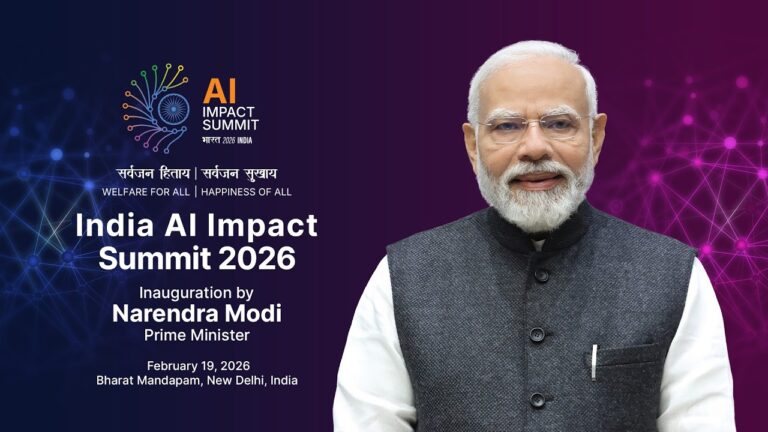
New Delhi, February 19, 2026: On the fourth day of the landmark India AI Impact Summit 2026, Prime Minister Narendra Modi officially inaugurated the high-level plenary session at Bharat Mandapam today. Addressing a global audience of heads of state, tech titans, and researchers, the Prime Minister emphasized India’s commitment to “democratizing technology” to ensure that the benefits of Artificial Intelligence reach the world’s “last mile.”

The summit, which began on February 16, reached its peak today as the focus shifted from technical research to real-world socio-economic impact.

Key Highlights of the Inauguration

  • A Vision of Inclusion: PM Modi outlined the theme of the summit, “Sarvajan Hitay, Sarvajan Sukhay” (Welfare for all, Happiness for all). He stated that AI should not just be a tool for corporate profit but a catalyst for social transformation in sectors like agriculture, healthcare, and education.
  • Global Leadership: Joining the Prime Minister were French President Emmanuel Macron and United Nations Secretary-General António Guterres. Both leaders praised India’s role as a bridge between the “Global North” and the “Global South” in establishing ethical AI governance.
  • The AI Stack: Union Minister Ashwini Vaishnaw shared the Prime Minister’s vision of a “5-layer AI stack” for India, focusing on building sovereign compute capacity and indigenous foundation models that represent India’s linguistic and cultural diversity.

Big Tech Pledges and Global Collaboration

The day was marked by significant announcements from global tech leaders.

  • Google & Anthropic: Google CEO Sundar Pichai announced a $15 billion infrastructure investment, including a new “full-stack AI hub” in Visakhapatnam. Meanwhile, Anthropic CEO Dario Amodei confirmed the opening of a new office in Bengaluru, emphasizing India’s central role in AI safety and testing.
  • OpenAI & Industry Giants: OpenAI’s Sam Altman and Reliance Industries Chairman Mukesh Ambani are scheduled for keynote sessions later today to discuss investment in regional-language AI models.

What’s Next?

Following the morning ceremony, the Prime Minister participated in a Leaders’ Plenary and is set to host a CEO Roundtable this evening. These closed-door discussions will focus on building secure global supply chains for semiconductors and AI hardware.

To accommodate the overwhelming public interest, the government has extended the AI Impact Expo until Saturday, February 21. While VVIP movements restricted public access to certain areas today, the expo remains a massive draw, featuring over 300 exhibitors demonstrating AI’s power in everything from climate resilience to rural fintech.

As Day 4 draws to a close, the 2026 Summit has firmly positioned India as a pivotal player in the global race to define the “rules of the road” for the AI era.

India’s AI Revolution: The NVIDIA-Powered “Sovereign” Leap

0

New Delhi, February 18, 2026: At the India AI Impact Summit 2026, the Indian government and Silicon Valley giant NVIDIA announced a massive expansion of their strategic partnership, signaling a new era of “Sovereign AI” for the world’s most populous nation.

With over $1.2 billion in federal funding now fueling the IndiaAI Mission, the collaboration is moving beyond simple chip procurement toward building a complete, indigenous AI ecosystem.

Massive Compute Expansion: The Blackwell Era

The most striking update is the rapid scaling of India’s “AI factories.” Union IT Minister Ashwini Vaishnaw confirmed that India is on track to cross 100,000 GPUs by the end of 2026—tripling its current capacity in less than a year.

  • Yotta Data Services has spearheaded this move with a landmark $2 billion investment to deploy over 20,000 NVIDIA Blackwell Ultra GPUs.
  • This infrastructure, centered at its Greater Noida campus, will host one of Asia’s largest NVIDIA DGX Cloud clusters.
  • Other key infrastructure partners like L&T and E2E Networks are building specialized “Sovereign AI Factories” in Chennai and Mumbai to ensure that Indian data remains within national borders.

Building AI “For India, By India”

The partnership isn’t just about hardware; it’s about localized intelligence. NVIDIA is providing its Nemotron foundational models and CUDA-X libraries to help Indian developers build models that understand the nation’s 22 official languages and diverse cultural nuances.

“AI is the new electricity,” stated Vishal Dhupar, NVIDIA’s Managing Director for South Asia. “We are working with India to build an industrial system where intelligence is manufactured locally to solve local challenges.”

Key projects currently utilizing this NVIDIA-powered stack include:

  • Bhashini & Sarvam AI: Developing high-performance Indic LLMs.
  • NPCI (National Payments Corporation of India): Building a payments-native AI model to secure and optimize the world’s largest real-time digital payment ecosystem.
  • Health & Agriculture: Startups are deploying autonomous drones and diagnostic tools trained on domestic datasets.

Democratizing Innovation

To prevent a “digital divide,” the IndiaAI Mission is subsidizing compute access. Under the new framework, researchers and startups can access high-end GPU power for as low as ₹65 per hour.

With over 800,000 developers and 4,000 startups now part of the NVIDIA Inception program in India, the country is rapidly pivoting from an AI consumer to a global AI exporter. By integrating physical AI into manufacturing—from Tata Motors to Reliance New Energy—India is using NVIDIA’s Omniverse to design the “software-defined factories” of the future.

Why This Matters

As the US and China continue their tug-of-war over AI supremacy, India’s aggressive infrastructure build-out with NVIDIA positions it as a “third pole.” By owning the “compute,” the “data,” and the “models,” India is ensuring its technological autonomy in an increasingly AI-driven global economy.