Home Blog Page 65

US Clears $428M Defense Support for India Apaches, M777s

0

New Delhi, May 19, 2026: In a major move to strengthen bilateral military ties and enhance regional security, the United States State Department has approved two separate potential Foreign Military Sales (FMS) to India. Together, the two maintenance and logistics packages are valued at an estimated $428.2 million (over ₹3,500 crore).

Unlike traditional headline-grabbing arms deals that focus on purchasing new weapons, this comprehensive double-barrelled agreement is entirely dedicated to the long-term sustainment, engineering assistance, and operational readiness of critical frontline assets already in service with the Indian Armed Forces. The dual packages cover the Boeing AH-64E Apache attack helicopters and the BAE Systems M777A2 Ultra-Light Howitzers.

The defense approvals were formally made public via congressional notifications issued by the US State Department’s Bureau of Political-Military Affairs.

Keeping India’s Frontline Assets Battle-Ready

Modern military hardware relies heavily on a robust supply chain of original spare parts, consistent software updates, specialized technical data, and expert maintenance support. Without these, even the most sophisticated combat platforms risk being grounded.

Recognizing this operational necessity, the latest US authorization ensures that India’s premium attack helicopters and specialized mountain artillery guns remain optimally battle-ready to tackle current and future security challenges along its vast borders.

Here is a detailed breakdown of the two defense support packages cleared by Washington:

1. M777A2 Ultra-Light Howitzer Support Package ($230 Million)

The larger component of the dual clearance is valued at approximately $230 million. This package provides comprehensive, long-term sustainment support for India’s fleet of M777A2 Ultra-Light Howitzers.

According to official US communications, India requested a complete logistical and maintenance framework. The package includes:

  • Spares and Ancillary Items: An uninterrupted supply of original spare parts to replace worn-out components during intense field deployments.
  • Repair and Return Services: Structured channels to send major sub-assemblies for advanced repairs and have them integrated back into service.
  • Technical Assistance & Field Representatives: Hands-on support from seasoned engineers who can troubleshoot complex mechanical or digital issues directly on-site.
  • Depot Capability Support: Building domestic infrastructure and skill sets within India to handle advanced overhauls.
  • Personnel Training: Specialized instruction for Indian Army technicians to master advanced diagnostic and servicing protocols.

Principal Contractor: BAE Systems, a major international defense and aerospace firm headquartered in the United Kingdom, will serve as the lead contractor for this artillery support initiative.

2. AH-64E Apache Helicopter Sustainment Package ($198.2 Million)

The second package is valued at an estimated $198.2 million and focuses entirely on follow-on support services for India’s fleet of AH-64E Apache attack helicopters.

The Indian government requested structured assistance to maximize the lifespan and efficiency of these formidable aerial platforms. This package includes:

  • Engineering & Logistics Assistance: Direct technical backing from both the US Government and private defense contractors.
  • Technical Data and Publications: Access to the latest maintenance manuals, flight safety updates, and hardware modifications.
  • Crew and Personnel Training: Continuous training programs for pilots and ground crews to master the electronic warfare and weapon integration systems of the evolving platform.

Principal Contractors: US aerospace giants Boeing and Lockheed Martin will act as the primary contractors executing this heavy-duty aviation support program.

The Strategic Importance of the Platforms

Both the M777 howitzers and Apache helicopters play distinct, highly critical roles in India’s current military posture, especially along sensitive and disputed mountainous borders.

  • The M777A2 Howitzer: This 155 mm towed artillery gun is celebrated globally for its advanced lightweight design. Constructed primarily from titanium, it can be easily transported via heavy-lift helicopters like the Chinook and deployed rapidly to high-altitude areas where heavier artillery guns cannot travel by road. The Indian Army has deployed these howitzers heavily along the Line of Actual Control (LAC) to act as a deterrent in rugged terrain.
  • The AH-64E Apache: Renowned as one of the world’s deadliest multi-role combat helicopters, the Apache is a network-centric warfare machine. Equipped with a 30 mm chain gun, Hydra rockets, and AGM-114 Hellfire anti-tank guided missiles, it can execute high-precision strikes in all-weather conditions. Just last month, the Indian Army successfully demonstrated the Apache’s terrifying combat strength during the live-firing exercise ‘Brahmastra’ at the Pokhran Firing Range, emphasizing its vital role in modern tactical maneuvers.

Strategic Implications for the Indo-Pacific Region

In its official assessment, the US State Department strongly emphasized that these sales are directly aligned with Washington’s foreign policy goals and long-term national security objectives.

“This proposed sale will support the foreign policy and national security objectives of the United States by helping to strengthen the U.S.-Indian strategic relationship and to improve the security of a major defense partner,” the State Department noted in a press release. It further highlighted India as a vital force for “political stability, peace, and economic progress in the Indo-Pacific and South Asia regions.”

The Pentagon also expressed absolute confidence in the capabilities of the Indian military, asserting that India will have “no difficulty absorbing these articles and services into its armed forces.”

Over the past decade, defense cooperation between India and the US has undergone a massive transformation. The two nations have moved past a purely transactional buyer-seller relationship, signing several foundational defense pacts covering logistics sharing, secure communications, and high-level interoperability. Regular joint military exercises, such as Yudh Abhyas and the Malabar naval drills, continue to showcase their growing strategic alignment.

Balancing Foreign Support with Indigenization

While India continues to rely on foreign military sales for complex, imported platforms like the Apache, the defense establishment is also carefully balancing these purchases with its domestic Atmanirbhar Bharat (Self-Reliant India) initiative.

Due to the exceptionally high per-unit cost of crewed, heavy platforms like the Apache, Indian military planners have slightly scaled back initial acquisition projections to focus resources on cheaper, indigenous combat helicopters like the Light Combat Helicopter (LCH) Prachand. Furthermore, the lessons from modern global conflicts have prompted India to invest heavily in unmanned aerial vehicles (UAVs) and loitering munitions alongside its crewed fleets.

Nevertheless, maintaining the existing high-tier American assets at peak operational capacity remains an immediate priority. This fresh $428 million clearance ensuring consistent spare parts, depot updates, and technical training from Boeing, Lockheed Martin, and BAE Systems guarantees that India’s frontline defenses remain sharp, agile, and prepared for any sudden contingencies.


Mystery Deepens in Twisha Sharma Death Case: Family Claims Crucial Evidence Missing From Post-Mortem Report

0

BHOPAL — The tragic and untimely death of 33-year-old Twisha Sharma, a former Miss Pune and MBA graduate, has sent shockwaves across the nation. Found hanging at her matrimonial home in the Katara Hills area of Bhopal on May 12, 2026, her death was initially framed as a suicide. However, the investigation has taken a dramatic turn. Her family has leveled stunning allegations against the medical examiners, asserting that crucial forensic evidence was completely missing from the initial post-mortem report.

Driven by these discrepancies, Twisha’s grieving father, Navnidhi Sharma, has formally demanded a second autopsy to uncover what he believes is a systemic cover-up orchestrated by powerful forces.

A Marriage Turned Nightmare

Twisha Sharma’s life seemed full of promise. An accomplished marketing professional, certified yoga trainer, and former 2012 Miss Pune contestant who had briefly worked in regional cinema, she appeared to have a bright future ahead of her. In December 2025, she married Samarth Singh, a prominent Bhopal-based advocate, after the two connected on a dating app.

Yet, according to her family and recovered text messages, the marriage soured almost immediately. Within five months of the wedding, Twisha was dead.

The police promptly registered a case of dowry harassment and abetment to suicide against her husband, Samarth, and her mother-in-law, Giribala Singh—a highly influential retired district judge.

The Forensic Controversy: What Was Missing

The current flashpoint of the investigation centers around the preliminary post-mortem report. Twisha’s family has vehemently rejected its findings, pointing out massive gaps in the documentation of physical evidence.

According to family sources and legal representatives, the initial autopsy lacked comprehensive analysis regarding critical injuries. Specifically, the family alleges that the report glossed over anti-mortem physical marks that suggest a struggle took place before her death.

Furthermore, the family points to a highly sensitive medical history that they claim was deliberately ignored or obscured in the forensic review: a forced abortion.

Because her mother-in-law is a retired judicial officer, the family fears local authorities and medical staff may have faced immense pressure to dilute the severity of the autopsy findings.

“Mera Jeevan Narak Ho Gaya Hai”: Chilling Chat Logs Surface

As the forensic battle plays out in the courts, devastating WhatsApp messages and Instagram chats sent by Twisha just days before her death have surfaced, painting a grim picture of her life behind closed doors.

Twisha (April 30): "Kyu bheja mujhe yaha. Ye yaha baat hi nahi kar raha hai... Mera jeevan narak ho gaya hai mummy." 
(Why did you send me here? He isn't talking to me... My life has become a living hell, Mom.)

The communications reveal an atmosphere of intense psychological torture, ongoing dowry demands, and severe humiliation. Most damagingly, the messages show that her husband, Samarth, actively questioned the paternity of their unborn child and allegedly forced her to undergo an abortion.

On May 9, a mere three days before she was found dead, Twisha text her mother in sheer distress: “He is asking me whose child it was, and you expect me to just ignore it? He has crossed every limit of vileness. How am I supposed to live with him?”

In her final Instagram communication to a close friend, she sent a chilling, explicit warning: “I’m trapped, bro. Tu mat phasna (Don’t you get trapped).”

Legal Tug-of-War and Flight Risks

The high-profile nature of the accused has turned the legal proceedings into an intense battleground. On May 18, 2026, the Bhopal District Court took a definitive stance on the matter:

AccusedRelationLegal Status (As of May 18, 2026)
Giribala SinghMother-in-Law (Retired District Judge)Granted Anticipatory Bail
Samarth SinghHusband (Advocate)Bail Denied; Currently Absconding

Additional Sessions Judge Pallavi Dwivedi rejected Samarth Singh’s anticipatory bail application, noting the severity of the domestic violence and harassment allegations.

Following the court’s decision, it was revealed that Samarth Singh has gone into hiding. Fearing that the well-connected lawyer might attempt to flee the country to evade arrest, the Bhopal Police have formed a Special Investigation Team (SIT) and have actively moved to have his passport suspended immediately.

The Push for a Second Autopsy

With the husband on the run and the mother-in-law protected by anticipatory bail, Twisha’s family—including her brother, Indian Army Major Harshit Sharma—is focusing their energy on securing an independent, second post-mortem examination.

They argue that a fresh autopsy conducted by an independent panel of experts outside of Bhopal is the only way to recover the “missing evidence.” This includes looking closer at tissue samples, looking for signs of chemical sedation, and re-examining the ligature marks on Twisha’s neck to determine conclusively if the case is one of suicide or staged murder.

Public outrage has continued to grow, with social media campaigns demanding #JusticeForTwisha gaining rapid momentum. The case has reignited fierce national debates surrounding the persistent realities of dowry violence and domestic abuse, proving that even highly educated, independent women remain vulnerable to systemic cruelty.

As the SIT continues its hunt for the absconding husband, all eyes remain on the Madhya Pradesh higher courts to see if the family’s plea for a second, unbiased medical evaluation will be granted to uncover the truth behind the missing evidence.

Suriya-Trisha Magic: ‘Karuppu’ Crosses ₹100 Cr Milestone

May 18, 2026 — In a spectacular return to form for Kollywood superstar Suriya, his latest outing Karuppu has officially breached the prestigious ₹100 crore club worldwide within its opening weekend. Despite a rocky start involving last-minute release delays, the RJ Balaji directorial has set the box office on fire, capitalizing on strong word-of-mouth and a massive fan frenzy.

By the end of Sunday (Day 3), the film’s total global gross reached an estimated 120.75 crore, marking one of the swiftest centuries for a Tamil film in recent years.

The Weekend Breakdown: A Upward Trajectory

The journey for Karuppu wasn’t without hurdles. Originally slated for May 14, the film faced financial and production bottlenecks that pushed its release to Friday, May 15. However, once the “God Mode” was activated, there was no looking back.

DayIndia Net (Approx.)India Occupancy
Day 1 (Friday)₹15.50 Crore46.9%
Day 2 (Saturday)₹24.15 Crore56.8%
Day 3 (Sunday)₹28.35 Crore64.3%
Total (3-Day Net)₹68.00 Crore

While the India net stands at ₹68 crore, the India gross hit ₹78.75 crore. When combined with a stellar ₹42 crore from overseas markets—where Suriya enjoys a massive following—the film’s worldwide total comfortably crossed the 120-crore mark.

Suriya’s “God Mode” and the Trisha Factor

The film features Suriya as Saravanan, a lawyer who becomes a human vessel for the folk deity Karuppusamy to deliver divine justice. Fans have been particularly vocal about the film’s high-octane interval block, choreographed by RJ Balaji and set to a thumping score by Sai Abhyankkar.

The reunion of Suriya and Trisha Krishnan has also been a major draw. Their chemistry, last seen in classics like Aaru and Mounam Pesiyadhe, remains as magnetic as ever, providing the emotional anchor to an otherwise intense mythological action drama.

Critical Reception: A Mixed but Mighty Bag

While the box office numbers are undeniably massive, critical reviews have been more varied.

  • The Positives: The film is being hailed as a “Paisa Vasool” entertainer. RJ Balaji’s transition from satire to large-scale commercial cinema has been praised for its smooth screenplay and visual flair, particularly the animation sequences and the portrayal of rural justice.
  • The Critiques: Some critics have pointed out that the second half feels “convenient” and leans heavily on fantasy tropes, occasionally sacrificing logic for “mass” moments.

However, the “mixed” nature of the reviews hasn’t deterred the audience. The occupancy rates in Chennai peaked at a staggering 70.5% over the weekend, proving that the rural-themed mass entertainer still holds immense power at the ticket window.

Politics and Pop Culture: The ‘Chief Minister’ Mention

Adding to the film’s buzz is a controversial yet viral title card. Karuppu made headlines for being the first film to address actor Vijay as “Tamil Nadu Chief Minister Joseph Vijay” in its opening credits. This nod to the political landscape of 2026 sparked a massive celebration among Vijay’s fans, further fueling the film’s visibility on social media platforms like X (formerly Twitter).

The Road Ahead

With no major competition in the coming week, Karuppu is expected to maintain its momentum. The film has already surpassed the opening weekend numbers of this year’s earlier hits like Parasakthi and is chasing the records set by Suriya’s own previous blockbusters.

As the film enters its first crucial Monday, trade analysts are watching closely to see if the “Karuppusamy” wave can propel the movie toward the ₹200 crore mark. For now, Suriya and the team of Karuppu can rest easy knowing they have delivered the biggest summer blockbuster of 2026 so far.

MCX Natural Gas: Bulls Eye ₹300 as Demand Surges

0

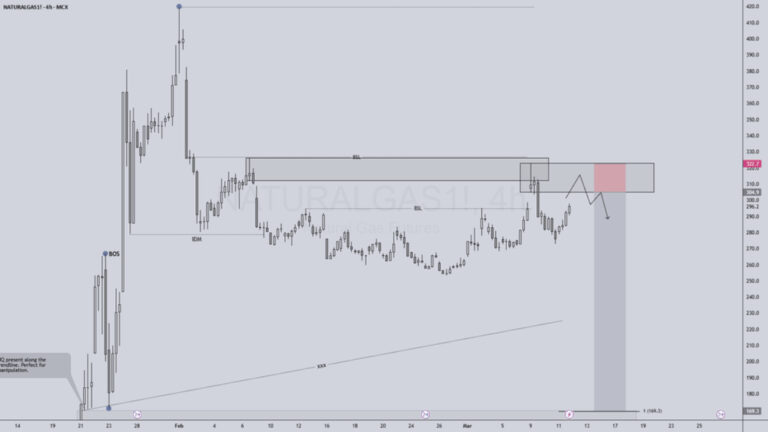
New Delhi, May 18, 2026: The energy markets are heating up as we move further into May 2026. After a period of consolidation and sideways movement, MCX Natural Gas (NG) futures have staged a significant breakout, signaling a shift in sentiment from cautious to decidedly bullish. For traders and investors watching the Multi Commodity Exchange (MCX), the message from both technical charts and fundamental data is clear: the path of least resistance is now higher.

As of May 18, 2026, Natural Gas futures are trading near the ₹294.10 level, up over 3.5% in a single session. This surge isn’t just a flash in the pan; it is backed by a “perfect storm” of global supply constraints, rising summer demand, and a technical breakout that has caught the attention of institutional desks.

The Technical Breakout: Bulls Take the Reins

From a technical perspective, Natural Gas has spent the last few weeks carving out a bottom. The most significant development recently has been the breakout above the bearish trend line that had capped gains since the start of the year.

  • Moving Averages: The price is now comfortably trading above the 20-day and 50-day Exponential Moving Averages (DEMA), which are currently pegged around the ₹266–₹271 zone. These levels, which previously acted as resistance, have now flipped into a strong support “floor.”
  • Long Buildup: Market data shows a notable rise in Open Interest (OI) alongside rising prices. In the world of futures trading, this is a classic sign of “Long Buildup”—new money is entering the market to bet on higher prices rather than just short-sellers covering their positions.
  • Momentum Indicators: The Relative Strength Index (RSI) is hovering above 60 on daily timeframes, suggesting strong upward momentum without yet entering “overbought” territory.

The Target: With the current momentum, the immediate target for bulls is the ₹298.50 – ₹300 resistance zone. A daily close above ₹300 could open the floodgates for a rally toward ₹325 in the short to medium term.

Fundamental Catalyst #1: The “Super El Niño” and Scorching Heat

Weather is the ultimate driver of natural gas prices, and 2026 is shaping up to be an outlier. Meteorological agencies, including India’s IMD and the US-based NOAA, are warning of a “Super El Niño” event.

In India, this translates to delayed monsoon progress and higher-than-average temperatures across the northern and western belts. As the mercury climbs, the demand for electricity to power air conditioning skyrockets. Since natural gas is a primary fuel for “peaker” power plants (plants that ramp up quickly during high demand), the domestic and global cooling demand is providing a massive floor for prices.

Fundamental Catalyst #2: Global Supply Friction and Geopolitics

While local demand is high, the MCX price is heavily influenced by the NYMEX (New York Mercantile Exchange) and global LNG trends. Several factors are tightening the global taps:

  1. US Production Slowdown: Daily natural gas production in the US has recently hit a 15-week low. Lower output from major basins like the Permian and Haynesville means there is less surplus gas to be injected into storage.
  2. Maintenance Season: Key LNG export facilities, including Freeport LNG, are undergoing scheduled maintenance. This reduces the immediate flow of gas, creating localized “crunches” in the spot market.
  3. Middle East Tensions: Ongoing geopolitical friction in the Persian Gulf continues to add a “risk premium” to energy prices. Any threat to shipments through the Strait of Hormuz immediately sends ripples through the gas market.

Storage Data: The “Cushion” is Thinning

The latest Energy Information Administration (EIA) reports show that while storage levels are still within the five-year average, the rate of injection is slowing. Traders are closely watching these weekly builds. If the summer heat persists and storage injections remain below expectations, the market will start pricing in a “supply deficit” for the upcoming winter, which could lead to a massive price spike.

Trading Strategy: Why “Buy on Dips”?

In a bullish market, chasing the “green candles” (buying at the peak of a rally) can be risky due to high volatility. The most professional approach in the current environment is a “Buy on Dips” strategy.

  • Support Levels: If the price retraces, look for entries near the ₹277 – ₹284 range. A deeper correction toward the ₹265 mark (near the 50-DEMA) should be viewed as a high-conviction buying opportunity.
  • Stop Loss: For short-term traders, a strict stop loss below ₹263 (Daily SAR level) is recommended to protect capital against sudden trend reversals.
  • Profit Taking: Partial profits should be booked near the ₹300 psychological level, with the remainder held for a potential move toward ₹315 – ₹320.

The Bottom Line

Natural Gas is no longer the “forgotten commodity.” With technicals turning green, a “Super El Niño” driving cooling demand, and global production showing signs of fatigue, the stage is set for a bullish run.

While volatility is the hallmark of the energy sector, the current setup favors the buyers. Stay disciplined, keep an eye on the weekly EIA storage reports, and use the “dips” to build your positions. The road to ₹300 seems well-paved; the only question is how much higher it can go.

Maruti Suzuki Boosts Production: Second Plant at Kharkhoda Facility Now Operational

0

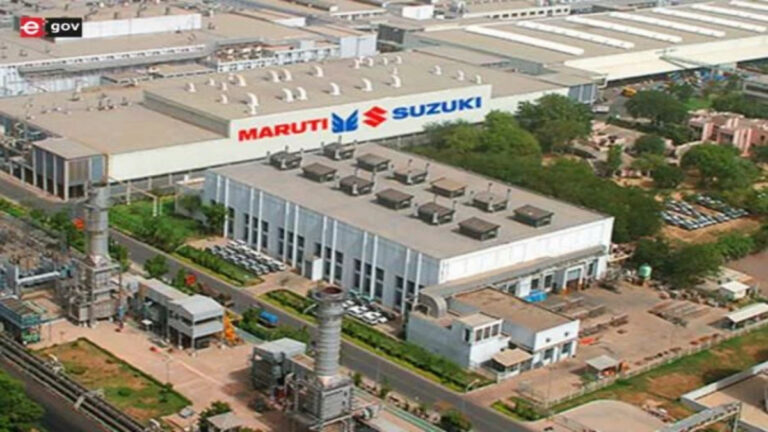
May 18, 2026 – Maruti Suzuki India Limited (MSIL), the country’s leading automobile manufacturer, has officially commenced commercial production at the second plant of its massive manufacturing facility in Kharkhoda, Haryana. This milestone marks a significant step in the company’s aggressive expansion strategy to meet the burgeoning demand in the domestic market and solidify India’s position as a global export hub.

The newly operational unit has an annual production capacity of 2.5 lakh units. With this addition, the total installed capacity at the Kharkhoda site has doubled to 5 lakh units per annum, following the successful rollout of the first plant in February 2025.

Strengthening the Manufacturing Backbone

The Kharkhoda facility, located in the Sonipat district of Haryana, is destined to become a crown jewel in Suzuki Motor Corporation’s global operations. Spread across a sprawling 900-acre site at IMT Kharkhoda, the facility offers world-class infrastructure and strategic logistics advantages, being situated near the Kundli-Manesar-Palwal (KMP) Expressway.

With this latest expansion, Maruti Suzuki’s overall annual production capacity across its four major manufacturing hubs has reached an impressive 26.5 lakh units. This network includes:

  • Gurugram & Manesar (Haryana): The traditional strongholds of Maruti production.
  • Hansalpur (Gujarat): A high-tech facility supporting both domestic and export needs.
  • Kharkhoda (Haryana): The newest and most rapidly expanding site.

Meeting the SUV Demand

The Kharkhoda plants are currently focused on producing some of the brand’s most popular models. High-demand vehicles like the Maruti Suzuki Brezza (compact SUV) and the Grand Vitara (mid-size SUV) are being rolled out from this facility.

By increasing capacity at Kharkhoda, Maruti Suzuki aims to significantly reduce waiting periods for these popular models, which have seen a massive surge in interest as Indian consumers increasingly shift toward the SUV and Utility Vehicle (UV) segments.

A Vision for 40 Lakh Units

The commencement of production at the second Kharkhoda plant is part of a much larger roadmap. Maruti Suzuki has previously outlined its “Maruti 3.0” strategy, aiming to double its total annual production capacity to 40 lakh units by 2030-31.

The company’s Board has already approved the construction of a third plant at the Kharkhoda site, involving an investment of approximately ₹7,410 crores. Once the Kharkhoda facility is fully developed with all its planned units, it is expected to have a total capacity of 10 lakh vehicles annually, making it one of the largest single-location car manufacturing hubs in the world.

Impact on the Economy and Local Development

The foundation stone for this facility was laid by Prime Minister Narendra Modi in August 2022. Since then, the project has been a catalyst for regional growth. The expansion is expected to:

  1. Generate Employment: Thousands of direct and indirect jobs are being created in the Sonipat and Delhi-NCR region.
  2. Boost Ancillary Industries: The massive scale of production attracts a vast network of component suppliers and service providers to set up shop nearby.
  3. Enhance Exports: With Suzuki’s focus on making India a primary export base for global markets, the Kharkhoda plant will play a pivotal role in shipping “Made in India” cars to Africa, Latin America, and Southeast Asia.

Record-Breaking Momentum

This announcement comes on the heels of a record-breaking Fiscal Year 2025-26, where Maruti Suzuki achieved its highest-ever annual production of 23.4 lakh units. Popular models like the Swift, Dzire, Baleno, and Ertiga led the charts, each crossing the 2 lakh production mark during the year.

The company is also moving toward greener technology. While currently focused on Internal Combustion Engine (ICE) and Hybrid models at Kharkhoda, Maruti Suzuki is also preparing for its electric vehicle (EV) journey, with plans for a fifth manufacturing facility in Gujarat specifically designed to support the transition to sustainable mobility.

Conclusion

The operationalization of the second plant at Kharkhoda is more than just a capacity hike; it is a testament to the resilience and growth of the Indian automotive sector. As Maruti Suzuki continues to scale its operations, it reinforces its 40-year-old legacy of “putting India on wheels” while evolving to meet the modern aspirations of a new generation of car buyers.

With high-tech automation, a focus on efficiency, and a strategic location, the Kharkhoda facility is set to drive the next decade of growth for India’s favorite carmaker.

The Georgekutty Premium: How Mohanlal Salary Reached New Heights for Drishyam 3

New Delhi, May 18, 2026: As the world prepares for the return of the legendary Georgekutty, the buzz surrounding Drishyam 3 has moved beyond the nail-biting suspense of the plot to the staggering economics of the production. Scheduled for a global release on May 21, 2026—coinciding with the superstar’s birthday—the third installment of the iconic franchise is breaking more than just box office records; it is redefining the pay scale for Malayalam cinema.

At the center of this financial whirlwind is Mohanlal, whose remuneration for the film has reportedly skyrocketed to an unprecedented ₹20 crore. This figure not only places him at the top of the Drishyam 3 cast salary chart but also solidifies his position as the highest-paid actor in the history of Mollywood.

The Evolution of the Georgekutty Paycheck

To understand the magnitude of Mohanlal’s current fee, one must look at the journey of the Drishyam franchise. What began as a high-concept, mid-budget thriller in 2013 has transformed into a global phenomenon.

Film InstallmentYearMohanlal’s Estimated Salary
Drishyam2013₹5 – ₹6 Crore
Drishyam 22021₹10 – ₹12 Crore
Drishyam 32026₹20 Crore

In just over a decade, Mohanlal’s fee for this specific role has nearly quadrupled. This “Georgekutty Premium” is attributed to the franchise’s massive success across digital platforms and its status as one of India’s most remade intellectual properties. For Drishyam 3, Mohanlal isn’t just an actor; he is the face of a brand that guarantees a massive opening.

Breaking Down the Cast Salary Chart

While the “Complete Actor” leads the pack, the supporting cast—many of whom have been with the series since its inception—has also seen a significant bump in their earnings. The increased budget, fueled by a ₹100 crore investment from Pen Studios and Panorama Studios, has allowed for a more lucrative distribution of fees.

  • Meena (Rani George): The veteran actress, who plays Georgekutty’s resilient wife, has seen her salary jump to an estimated ₹75 lakh. In the original 2013 film, her fee was reportedly in the range of ₹15–25 lakh.
  • Asha Sharath (Geetha Prabhakar): Reprising her role as the formidable former IG, Asha Sharath has reportedly negotiated a fee of ₹1 crore, reflecting the high-stakes nature of her character’s return.
  • Siddique (Prabhakar): Known for his powerhouse performances, Siddique’s remuneration is estimated at ₹60 lakh.
  • The Daughters (Ansiba Hassan & Esther Anil): Ansiba and Esther, who have grown up on screen as Anju and Anu, are reportedly earning between ₹25 lakh and ₹35 lakh respectively.

Why the Remuneration Skyrocketed

Several factors have contributed to this “salary explosion” in the 2026 Malayalam film industry:

1. The Global Footprint

Unlike the first film, which was primarily a Kerala-centric hit, Drishyam 3 is a global event. With distribution rights sold for record prices in the GCC, North America, and Europe, the film’s revenue potential has expanded exponentially. Advance bookings have already crossed the ₹10 crore mark days before the release.

2. The OTT Power Play

The digital rights for the franchise have become a goldmine. Amazon Prime Video, having seen massive success with Drishyam 2 during the pandemic, has secured the digital rights for the third part amid intense legal and financial bidding wars. These high-value deals directly influence the lead actor’s profit-sharing and upfront fees.

3. Pan-India Appeal

For the first time, the Malayalam original will release simultaneously in Tamil, Telugu, and Kannada dubbed versions. By positioning Drishyam 3 as a pan-India thriller, the makers have tapped into a market much larger than the traditional Malayali audience, justifying the ₹20 crore price tag for its lead star.

The “Birthday Release” and Box Office Expectations

The decision to release the film on May 21, 2026, serves a dual purpose. It celebrates Mohanlal’s birthday, ensuring a massive turnout from his loyal fanbase, and capitalizes on the summer holiday window.

Industry trackers suggest that Drishyam 3 could record the biggest opening weekend for a Malayalam film to date. With over 2 lakh tickets already sold in Kerala alone, the momentum is undeniable.

Conclusion

Mohanlal’s ₹20 crore salary is more than just a number; it’s a testament to the enduring power of storytelling. While the budget and salaries have grown, the core of Drishyam remains the same: a man doing whatever it takes to protect his family. As Georgekutty returns to the screen this week, he does so not just as a humble cable operator, but as the king of the Indian box office.

Whether the film can live up to the immense financial and critical expectations remains to be seen, but one thing is certain—the stakes, both on and off-screen, have never been higher.

PSU Banks & LIC Ordered to Cut Costs, Switch to EVs

0

New Delhi, May 18, 2026: In a significant move aimed at fiscal prudence and environmental sustainability, the Government of India has issued a comprehensive directive to all state-run banks and public sector insurance companies. The Department of Financial Services (DFS), under the Ministry of Finance, has mandated a series of austerity measures, ranging from strict travel curbs to an accelerated transition toward electric vehicles (EVs).

This directive, issued on May 18, 2026, impacts financial giants including the State Bank of India (SBI), Bank of Baroda (BoB), and the Life Insurance Corporation of India (LIC). With millions of employees across the country, these institutions are now tasked with reshaping their operational habits to align with the Prime Minister’s call for restraint amidst global economic volatility.

The Push for Austerity: Why Now?

The timing of this order is not accidental. It follows a high-level appeal by Prime Minister Narendra Modi for government officials to exercise financial discipline. India, like many major economies, is currently navigating a complex global landscape.

Key factors driving this decision include:

  • Geopolitical Tensions: Ongoing conflicts in the Middle East have pressured global oil prices and disrupted trade routes, leading to concerns over inflation.
  • Currency Pressure: The Indian Rupee has faced significant volatility recently, hitting record lows against the US Dollar.
  • Fiscal Responsibility: By tightening the belts of public sector units (PSUs), the government aims to buffer the economy against potential shocks to the balance of payments.

Key Mandates: From First-Class Seats to Fiber Optics

The new guidelines represent a shift from physical luxury to digital efficiency. The Department of Financial Services has outlined specific areas where spending must be slashed immediately.

1. A Digital-First Meeting Culture

The era of flying across the country for a two-hour board meeting is largely over for PSU executives. The directive explicitly states that all meetings, reviews, and consultations must be conducted via video conferencing. Physical presence is only permitted if it is deemed absolutely essential and cannot be avoided through digital means.

2. Strict Travel Restrictions

Travel expenses have long been a major line item for large financial institutions. Under the new rules:

  • Foreign Travel: Overseas trips for top-tier executives—including Chairpersons, Managing Directors, and CEOs—must remain within strictly prescribed limits.
  • Virtual Global Presence: Even for international conferences or engagements, executives are encouraged to participate virtually whenever the option is available.
  • Domestic Curbs: Domestic travel is being discouraged in favor of local coordination or digital communication.

3. Hybrid Work Models

Interestingly, the federal directive coincides with moves by several Indian state governments that have already begun asking employees to work from home (WFH) at least two days a week. While the DFS order focuses on banks and insurers, the broader trend is clear: reducing the physical footprint of government offices to save on electricity, maintenance, and commuting costs.

The Green Transition: Replacing Diesel with Volts

Perhaps the most forward-looking part of the directive is the instruction to replace traditional internal combustion engine (ICE) vehicles with electric alternatives.

The government has asked these organisations to aim at replacing all hired petrol and diesel vehicles with electric cars. This applies to:

  • Head offices located in major metros.
  • Branch offices across various tiers of cities.
  • Vehicles used for executive transport and departmental logistics.

Supporting the National EV Ecosystem

This move aligns with the PM E-DRIVE Scheme, which has a massive outlay of ₹10,900 crore to promote electric mobility. By forcing state-run banks and LIC to adopt EVs, the government is essentially using its own institutions to create a “demand pull.” This helps justify the installation of the 4,874 EV chargers recently approved for various states and Central Public Sector Enterprises (CPSEs).

Impact on Employees and Operations

For the millions of employees at SBI, LIC, and other state-run firms, this means a change in daily routine.

  • Technology Adoption: There will be an increased reliance on collaborative tools like Microsoft Teams, Zoom, or government-specific secure communication platforms.
  • Infrastructure Changes: Offices will need to install charging stations to accommodate the new fleet of EVs.
  • Mindset Shift: The culture of “prestige travel” is being replaced by a culture of “operational efficiency.”

Market and Public Reaction

Market analysts view this move as a pragmatic step. While some worry that travel restrictions might hinder the “personal touch” often required in high-stakes banking deals, the general consensus is that the cost savings will improve the bottom line of these institutions.

Public sector banks have recently shown improved performance with lower slippages and better recoveries in FY26. These austerity measures could further strengthen their balance sheets, making them more resilient to the “old fears and new worries” currently facing the banking sector—such as the Strait of Hormuz crisis and fluctuating oil prices.

The Road Ahead

As India navigates 2026, the directive serves as a blueprint for how large-scale traditional institutions can modernize. It is a dual-purpose strategy:

  1. Protecting the Purse: Ensuring that taxpayer-funded institutions are not wasting resources during lean economic periods.
  2. Protecting the Planet: Leading by example in the transition to a carbon-neutral future.

Whether it is a branch manager in a small town or the Chairman of the State Bank of India in Mumbai, the message from New Delhi is clear—be digital, be frugal, and go electric.

Ameesha Patel Slams “Toxic” Trolling of Alia Bhatt at Cannes 2026

New Delhi, May 18, 2026: In a fierce defense of her industry colleague, veteran actress Ameesha Patel has lashed out at what she calls the “toxic Indian mentality” of tearing down successful individuals. Her comments come in the wake of a viral social media storm targeting Alia Bhatt during her appearance at the 79th Cannes Film Festival.

The controversy erupted after a brief video clip from the French Riviera began circulating online, showing Alia Bhatt posing on the red carpet while some international photographers appeared to be looking elsewhere. Within hours, the clip was weaponized by trolls to claim that the Gully Boy star was “ignored” or “snubbed” on the global stage, sparking a heated debate about India’s obsession with Western validation.

Ameesha Patel’s Scathing Critique

Ameesha Patel, known for her candidness, took to social media to express her disappointment. While she did not mention Alia by name, the timing of her post made the target unmistakable.

She further highlighted the disparity between how international stars are treated by their home countries versus Indian celebrities. Patel noted that Indian actors are often “more badly trolled by our own people” than Hollywood stars are by theirs. “Whether it’s an Indian star’s appearance or attire at big events, they sadly become targets of their own people! Such a shame!” she added.

The “Snub” That Wasn’t

The backlash against Alia Bhatt was centered on a specific camera angle that suggested a lack of interest from the paparazzi. However, fashion experts and festival attendees have quickly debunked the narrative of a “snub.”

The Cannes red carpet is notoriously chaotic, with hundreds of photographers shouting instructions simultaneously. In the full footage, photographers can be heard calling out Alia’s name, and she is seen engaging with various press outlets. Industry insiders argue that “inventing humiliation” where none exists is a sign of deep-seated national insecurity.

The Industry Rallies: Soni Razdan and Aly Goni Weigh In

Ameesha wasn’t the only one to speak up. Alia’s mother, veteran actress Soni Razdan, shared a poignant reflection on the nature of social media hate. Responding to a post by writer Shunali Khullar Shroff, Razdan noted that the incident “reveals something about society” and could be a subject for “sociological discussion” for years to come.

Shroff’s original post, which Razdan supported, took a sharper aim at the critics:

  • On National Pride: She argued that Indians often feel a sense of “bruised national pride” over imagined slights.
  • On Gender: She suggested there is a specific “glee” found in seeing a successful female star “shown her place.”
  • On Reality: She reminded audiences that Alia is a National Award winner and global brand ambassador, unlikely to be “humbled” by a camera angle.

Actor Aly Goni also joined the fray, praising Alia for representing the country with grace. “It’s sad when our own people try to pull down someone who has worked so hard to put India on the global stage,” he stated.

Alia Bhatt’s “Witty” Response

Despite the noise, Alia Bhatt seems unfazed. Known for her “kill them with kindness” approach, she delivered a masterclass in handling trolls.

When one user commented on her Instagram post, “What a pity, no one noticed you,” Alia didn’t shy away. She replied with a simple, sharp retort:

The comment quickly garnered thousands of likes, with fans hailing it as the perfect “clapback” to the negativity.

A Broader Cultural Conversation

This incident has reopened a long-standing dialogue about the “Crab Mentality”—a metaphor for a group of crabs in a bucket where, if one tries to escape, the others pull it back down.

Key PerspectiveArgument
Ameesha PatelIndia lacks the unity to celebrate its own icons on world stages.
Industry CriticsThe obsession with “Western validation” makes us hyper-sensitive to any perceived slight.
Social Media TrollsUse the “nepotism” or “relatability” argument to justify harsh scrutiny.
The Global RealityCannes is a professional marketplace; “moments” are often manufactured or misunderstood by those not present.

Looking Ahead

As Alia Bhatt prepares for her upcoming high-octane projects—including the YRF Spy Universe film Alpha and Sanjay Leela Bhansali’s Love and War—it is clear that her global trajectory remains untouched by the digital chatter.

However, Ameesha Patel’s critique serves as a sobering reminder for the Indian audience. As the country’s cinema continues to expand its footprint through the Met Gala, the Oscars, and Cannes, the question remains: Will the home audience cheer from the sidelines, or continue to look for reasons to pull their stars back into the bucket?

For now, the “ivory silk saree-gown” and the poise Alia displayed at Cannes 2026 stand as a testament to her professional growth—and perhaps, a mirror to the societal flaws Ameesha Patel so boldly pointed out.

Dalal Street in the Red: Sensex Plunges 800+ Points, Nifty Slides Below 23,500 Amid Oil Shock

0

May 18, 2026 – The Indian equity markets faced a wave of intense selling pressure on Monday morning, with the benchmark indices tumbling significantly. The BSE Sensex plummeted over 800 points to hover around the 74,400 mark, while the broader NSE Nifty 50 crashed below the crucial psychological level of 23,500, trading near 23,400 in early deals.

The sharp downturn has effectively wiped out thousands of crores in investor wealth within the first hour of trade. Market analysts point to a “perfect storm” of rising crude oil prices, a weakening Rupee, and escalating geopolitical tensions in West Asia as the primary drivers behind this latest rout.

The Crude Reality: Brent Hits $111

The most immediate trigger for the sell-off is the relentless surge in global crude oil prices. Brent crude, the international benchmark, jumped over 2% on Monday to cross $111 per barrel.

For an import-dependent economy like India, which buys nearly 85% of its oil from overseas, rising crude is a triple threat:

  1. Inflationary Pressure: Higher fuel costs quickly trickle down into transportation and logistics, raising the price of essential goods.
  2. Trade Deficit: A higher import bill puts immense pressure on India’s current account deficit.
  3. Corporate Margins: Companies in sectors like paints, chemicals, and aviation—where oil is a key raw material—see their profit margins squeezed instantly.

Geopolitical Heat and FII Outflows

The spike in oil prices is largely attributed to a fresh escalation in West Asia. Reports of failed ceasefire negotiations and renewed hostilities in the region have stoked fears of supply disruptions through the Strait of Hormuz.

This global uncertainty has spooked Foreign Institutional Investors (FIIs), who remained net sellers. As global risk appetite shrinks, “hot money” is flowing out of emerging markets like India and into “safe havens” like the US Dollar and Gold. Consequently, the Indian Rupee hit a fresh all-time low of 96.17 against the greenback this morning, further dampening sentiment.

Sectoral Heatmap: Metals and Banks Bleed

The carnage on Dalal Street was widespread, but certain sectors bore the brunt of the volatility:

  • Metals: Tata Steel was the top laggard on the Sensex, crashing over 5%. Concerns over global demand and rising energy costs for smelting weighed heavily on the sector.
  • Banking & Financials: State Bank of India (SBI) and HDFC Bank saw significant selling. The banking sector is particularly sensitive to inflation fears, as persistent high prices could delay any potential interest rate cuts by the RBI.
  • Power and Infrastructure: Power Grid and Adani Ports also witnessed sharp declines, falling between 2% and 4%.
Top Losers (May 18)% Change
Tata Steel-5.10%
Power Grid-4.30%
SBI-2.86%
Trent-2.78%

Conversely, the IT and Telecom sectors offered a tiny silver lining. Infosys and Bharti Airtel managed to trade in the green, as a weaker Rupee often benefits export-oriented IT firms whose earnings are dollar-denominated.

Why 23,500 Matters for the Nifty

For technical analysts, the Nifty 50 sliding below 23,500 is a bearish signal. This level had acted as a strong support base over the last few weeks.

What Should Investors Do?

Market experts suggest that while the current volatility is jarring, it is largely driven by external macro factors rather than internal economic weakness.

  • Avoid Panic Selling: Quality stocks with strong fundamentals often bounce back once global “noise” settles.
  • Focus on Domestic Themes: Sectors less dependent on global supply chains or oil prices may offer better protection.
  • Gradual Accumulation: For long-term investors, sharp corrections like these can provide opportunities to “buy the dip” in blue-chip companies at more attractive valuations.

The Road Ahead

As the trading day progresses, all eyes will be on the closing bell. If the Nifty fails to reclaim the 23,500 level, the bearish sentiment could spill over into the rest of the week. For now, Dalal Street remains at the mercy of global oil tickers and geopolitical headlines.

Honda City Facelift 2026: India Launch This Week

New Delhi, May 18, 2026: The wait for sedan enthusiasts is almost over. Honda Cars India is all set to officially launch the 2026 Honda City facelift on May 22, 2026. As one of the longest-running and most respected nameplates in the Indian automotive market, the Honda City has always been the benchmark for comfort, reliability, and executive style.

This second major refresh of the fifth-generation model aims to keep the “King of Sedans” competitive against rivals like the Hyundai Verna, Volkswagen Virtus, and Skoda Slavia. Here is a comprehensive breakdown of everything you can expect from the upcoming 2026 Honda City.

1. Refined Exterior: A “Mini-Civic” Look

The most striking updates are concentrated at the front. Leaked images and spy shots suggest that Honda has moved away from the heavy chrome “wing” grille in favor of a cleaner, more sophisticated design inspired by the global Honda Accord and Civic.

  • New Grille: A slimmer, honeycomb-mesh grille gives the car a sharper, wider stance.
  • Redesigned Bumpers: The front bumper features more angular air intakes and updated fog lamp housings, while the rear gets a subtle tweak to the diffuser-style element.
  • Signature Lighting: The iconic “Jewel Eye” LED headlamps remain but have been slightly reprofiled with new internal detailing and integrated DRLs.
  • Alloy Wheels: Higher variants (VX and ZX) are expected to debut a fresh set of dual-tone 16-inch diamond-cut alloy wheels.

2. Interior Upgrades: Modern Tech Meets Luxury

While the overall cabin layout remains familiar, Honda is addressing some of the most requested features to bridge the gap with its tech-heavy rivals.

  • Larger Infotainment Screen: The current 8-inch unit is rumored to be replaced by a larger 10.25-inch touchscreen. It will support wireless Apple CarPlay and Android Auto, featuring improved graphics and a more responsive interface.
  • Ventilated Seats: A much-needed addition for the Indian climate, ventilated front seats are expected to be standard on the top-spec ZX trim.
  • 360-Degree Camera: Borrowing hardware from the Honda Elevate, the 2026 City will likely feature a 360-degree camera system, making parking in tight urban spots significantly easier.
  • Enhanced Connectivity: The Honda Connect suite is expected to receive an update, offering more remote-controlled features via smartphone and smartwatch integration.

3. Performance: The Power of Choice

Mechanically, the 2026 Honda City will stick to its tried-and-tested powertrains, ensuring that legendary refinement remains untouched.

The 1.5L i-VTEC Petrol

For the purists, the 1.5-litre naturally aspirated petrol engine continues to be the heart of the City.

  • Output: 121 PS of power and 145 Nm of torque.
  • Transmission: A 6-speed Manual (MT) for those who love control, or a smooth CVT (Automatic) for city commuters.
  • Mileage: Expect around 17.8 kmpl for the MT and 18.4 kmpl for the CVT variants.

The 1.5L i-MMD Hybrid (e:HEV)

The City Hybrid remains the only “strong hybrid” in its segment, offering diesel-beating fuel efficiency.

  • Output: A combined 126 PS and a massive 253 Nm of torque.
  • Transmission: e-CVT (Electric Continuous Variable Transmission).
  • Mileage: The hybrid is expected to deliver an impressive 26+ kmpl, making it one of the most fuel-efficient cars in India.

4. Safety: Honda Sensing 2.0

Honda was one of the first to bring ADAS (Advanced Driver Assistance Systems) to the midsize sedan segment, and the facelift will continue this legacy with Honda Sensing.

The suite includes:

  • Collision Mitigation Braking System (CMBS)
  • Lane Keep Assist System (LKAS)
  • Adaptive Cruise Control with Low-Speed Follow
  • Road Departure Mitigation
  • Auto High-Beam

Standard safety features across all variants will likely include 6 airbags, Vehicle Stability Assist (VSA), Agile Handling Assist, and Hill Start Assist.

5. Expected Variants and Pricing

The 2026 Honda City is expected to be available in four main trims for the petrol version (SV, V, VX, and ZX) and two for the Hybrid (VX and ZX).

VariantExpected Ex-Showroom Price (Est.)
Petrol SV (Base)₹12.50 Lakh
Petrol ZX (Top)₹16.50 Lakh
Hybrid VX₹20.50 Lakh
Hybrid ZX (Fully Loaded)₹22.00 Lakh

6. The Verdict: Why It Matters

In a market increasingly dominated by SUVs, the Honda City remains a symbol of status and grace. The 2026 facelift isn’t just a cosmetic job; it is a strategic update to keep the sedan relevant in a digital-first era. By adding features like ventilated seats and a 360-degree camera, Honda is tackling the only “weak points” the current model had compared to the Hyundai Verna.

If you are looking for a car that offers the best rear-seat comfort (the famous “sofa-like” experience), a buttery-smooth petrol engine, and the peace of mind that comes with Honda’s reliability, the upcoming City facelift should definitely be on your shortlist.