Home Blog Page 88

A New Chapter for Biocon: Kiran Mazumdar-Shaw Identifies Successor

0

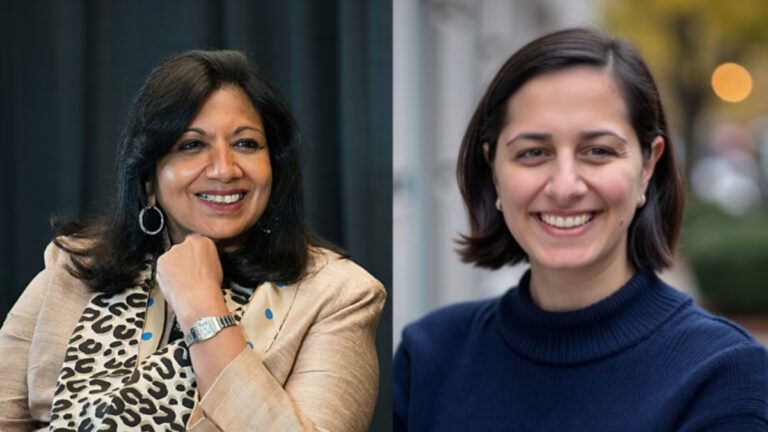
New Delhi, May 5, 2026: In a significant move that provides clarity on the future leadership of one of India’s most prominent biotechnology firms, Biocon founder and chairperson Kiran Mazumdar-Shaw has officially identified her niece, Claire Mazumdar, as her successor.

The announcement, which comes as Biocon pivots toward a future defined by cutting-edge biotechnology and the integration of artificial intelligence (AI), marks a major milestone in the company’s history. While this transition is set to be a gradual, multi-year process, the identification of a successor brings a sense of stability to the Bengaluru-based biopharmaceutical giant.

Ensuring the Company is in “Good Hands”

Kiran Mazumdar-Shaw, who founded Biocon in 1978 in the garage of her rented home in Bengaluru, has built the firm into a global biotechnology powerhouse over more than four decades. With no direct heirs, the question of succession has long been a subject of interest for industry analysts and investors.

In a recent interview with Fortune India, Mazumdar-Shaw explained her decision with a focus on stewardship and continuity. “I am the sole owner of Biocon, and I need to make sure that I put it in good hands,” she stated. “I have seen my niece Claire as my successor because I think she has proved to me that she can run a company.”

The transition, however, will not be immediate. Clarifying the timeline on social media platform X, the 73-year-old leader emphasized that she has “no plans to hang up my boots for a while.” Instead, she noted that Claire will “gradually transition into my role in time.”

Who is Claire Mazumdar?

Claire Mazumdar, 37, is a highly accomplished leader in the biotech space, bringing a potent mix of academic rigor and hands-on executive experience to the role.

  • Current Leadership: She is the founder and CEO of Bicara Therapeutics, a NASDAQ-listed company incubated by Biocon that focuses on developing innovative cancer therapies. Since taking the helm in 2018, she successfully steered the company through a public listing in 2024.
  • Academic Background: Her credentials include a Bachelor of Science in Biological Engineering from the Massachusetts Institute of Technology (MIT), an MBA from the Stanford Graduate School of Business, and a PhD in Cancer Biology from the Stanford School of Medicine.
  • Professional Expertise: Before founding Bicara, she worked with Third Rock Ventures and Rheos Medicines, where she played a pivotal role in corporate strategy and high-stakes partnerships, including collaborations with major pharmaceutical players like Roche.

Beyond her individual leadership, Mazumdar-Shaw highlighted a “broader family ecosystem” of talent that could support Biocon’s future. This includes Claire’s brother, Eric Mazumdar—a professor at the California Institute of Technology (Caltech) and an expert in artificial intelligence—and her husband, Thomas Roberts, a noted oncologist at Massachusetts General Hospital.

Strategic Restructuring and Future Growth

The announcement of a succession plan is part of a broader, more comprehensive organizational overhaul at Biocon designed to streamline operations and focus on high-growth sectors.

As the company prepares for a post-transition era, several key pillars have been identified to drive future growth:

1. Unified Structure

Biocon has moved to consolidate its generics and biologics businesses. By merging these divisions and simplifying the corporate structure, the company aims to reduce its debt burden and increase operational efficiency.

2. Doubling Down on Biosimilars

Biosimilars remain the engine of Biocon’s revenue, currently accounting for roughly 60% of the firm’s earnings. With 12 products already commercialized and a pipeline of approximately 20 more under development, the company is positioning itself to remain a dominant player in the global market.

3. The AI Frontier

A central theme of the future vision for Biocon is the integration of artificial intelligence across research and development (R&D). By leveraging AI, the company intends to accelerate drug discovery, optimize clinical trials, and develop more “differentiated” and original biologic therapies.

4. Leadership Transitions

The succession at the top is complemented by leadership updates across group entities:

  • Shreehas Tambe has taken over as the CEO and managing director of Biocon Biologics.
  • Siddharth Mittal is set to lead Syngene International starting July 1, 2026.

A Legacy of Innovation

Kiran Mazumdar-Shaw’s journey from a rented garage to the helm of a multinational corporation is a defining story of Indian entrepreneurship. By proactively addressing the question of succession, she is attempting to ensure that the core values of innovation and scientific excellence that define Biocon continue to thrive.

Market reaction to the news has been positive, with Biocon shares seeing a modest uptick following the announcement. As the company moves forward under this dual-track strategy—maintaining established leadership while preparing for the next generation—the industry will be watching closely to see how this transition shapes the future of Indian biotechnology.

A Glimpse Into the Verdant Heart of India: The Viral Assam Tea Garden Experience

0

New Delhi, May 5, 2026: In an era where travel content often focuses on bustling cityscapes or familiar tourist hotspots, a quiet, mesmerizing journey through Assam has captured the imagination of thousands. Nia Patel, a traveler whose recent social media post has gone viral, has reminded the digital world of the breathtaking, serene beauty tucked away in the tea gardens of Northeast India—a side of the country that she describes as “the part of India no one shows you.”

The video, which has been making waves online, offers a brief but deeply evocative escape. It serves as a visual reminder of the lush, rolling landscapes that define the region, providing a refreshing contrast to the fast-paced, often chaotic imagery typically associated with travel vlogs.

A Journey of Discovery

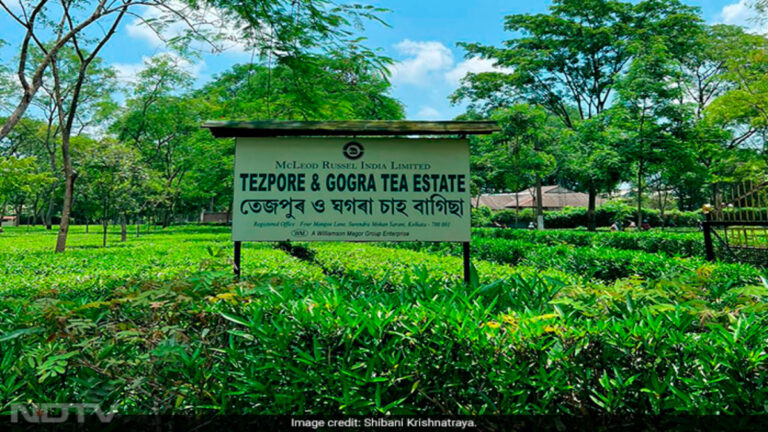
For many, Assam is synonymous with its world-famous tea, but the experience of being physically immersed in these sprawling, emerald-green estates is something else entirely. Patel’s post documents a bus journey—a slow, rhythmic transit through endless stretches of plantations.

“I was on the bus for hours driving past all of the tea,” Patel noted in her post. The video captures the mesmerizing sight of thousands of meticulously pruned bushes, blanketed under a serene, natural canopy, creating a landscape that feels almost otherworldly in its symmetry and scale.

However, the highlight of her trip was not just the scenery; it was the human connection. A few days into her journey, she had the rare opportunity to meet the women who are the true backbone of these tea estates. These women, skilled in the delicate art of hand-plucking tea leaves, shared a moment with Patel that she described as “probably one of the most amazing experiences ever.”

This personal interaction added a profound layer of depth to her travelogue, shifting the narrative from a mere sightseeing trip to an appreciative look at the labor, tradition, and life that thrives within these gardens.

Why This Content Resonates

In a digital landscape often saturated with “viral” trends, Patel’s content stands out for its simplicity and sincerity. Social media users have responded with an outpouring of appreciation, with many commenting on the sheer visual beauty of the region.

“Yeah, India is beautiful,” wrote one user, while another noted, “India has everything.” These sentiments highlight a growing hunger among audiences for travel content that is not only visually stunning but also grounded and authentic.

The success of this video underscores a wider shift in travel interests. Travelers and digital nomads are increasingly seeking out “hidden gems”—destinations that offer a genuine experience, away from the commercialized hubs. The tea gardens of Assam, with their sprawling greenery, misty morning atmosphere, and rich heritage, are increasingly being recognized as a premier destination for those looking to reconnect with nature.

The Cultural and Economic Backbone

The tea industry in Assam is more than just a source of the world’s most beloved beverage; it is a vital economic pillar and a cultural symbol of the region. The tea garden communities, often referred to as the “Tea Tribes,” carry a legacy that spans generations. Their knowledge of the land, the tea plants, and the harvesting process is an art form, one that has sustained the economy of Assam for over a century.

As Patel’s video highlights, the beauty of the gardens is deeply intertwined with the lives of the people who tend to them. Recognizing this allows visitors to appreciate the tea not just as a product on a shelf, but as the result of a labor-intensive, culturally significant process.

A Call to Responsible Exploration

As more people are inspired to visit these landscapes, it brings into focus the importance of responsible tourism. The tea gardens are working environments; the health, rights, and livelihoods of the workers remain central to any discussion about the region’s future.

Patel’s experience encourages us to view India not through a single, narrow lens, but as a diverse, vast tapestry of landscapes and cultures waiting to be explored with respect and curiosity. Her message serves as a reminder to look closer, to travel deeper, and to appreciate the quiet, hardworking beauty that makes India so unique.

As the digital community continues to share and celebrate these images, it shines a light on a part of India that, while perhaps not always in the primary spotlight, remains its most serene and enchanting heart.

Bollywood Star Ameesha Patel Stuck Amidst Major Airspace Diversion

May 5, 2026: Bollywood actor Ameesha Patel has found herself at the center of a tense, real-life travel crisis. The Gadar 2 star, who was traveling from New York to Mumbai, experienced a dramatic mid-flight diversion on Monday night as regional tensions in the Middle East escalated, forcing airlines to reroute international flights for passenger safety.

The incident occurred as the Emirates flight was nearing its scheduled landing in Dubai. However, in an abrupt turn of events, UAE authorities were forced to close their airspace to commercial traffic following reports of fresh missile and drone attacks in the region.

A Mid-Air Change of Plans

Ameesha Patel, who was traveling with DJ Chetas and Kunal Goomer, shared the terrifying ordeal with her followers on social media platform X (formerly Twitter) shortly after the crew announced the diversion.

“On my way back to MUMBAI from NEW YORK on Emirates! As we were about to land in DUBAI the airspace closed in UAE due to fresh missile Attacks! We have now been diverted to MUSCAT and are awaiting further updates! When will this WAR end!! Praying,” the actress wrote in her post, which quickly went viral as fans and followers expressed concern for her safety.

Kunal Goomer, who accompanied the actress, also shared the frustration of the situation, posting an update on their extended journey. “24 hours from the time we left NYC and still counting hours to reach Mumbai,” he shared, highlighting the grueling nature of the delay as they waited in an airport lounge.

The Situation in the UAE

The diversion of the Emirates flight was part of a broader, critical operational response by aviation authorities in the UAE. On Monday, the UAE Ministry of Defence confirmed that its advanced air defence systems were actively engaged in intercepting ballistic missiles, cruise missiles, and drones launched toward the country.

Reports indicate that loud explosions were heard across various parts of the UAE as air defence batteries successfully neutralized several aerial threats. In an official statement, the Ministry of Defence described the assault as a “treacherous” move and affirmed the nation’s right to defend itself. While the military successfully intercepted multiple missiles and drones, the closure of the airspace served as a necessary precaution to ensure the safety of thousands of passengers in the skies over the region.

As a result of these tensions, the US Embassy in the UAE issued an urgent security alert to American citizens, urging them to remain vigilant, monitor local media, and be prepared to seek shelter if instructed by local authorities.

A Long Wait for Passengers

Following the diversion to Muscat, Oman, passengers on board various international flights have been left in a state of limbo. Ameesha Patel provided a later update via her Instagram stories on Tuesday morning, expressing the exhaustion of the ordeal.

“And the wait continues… been stuck for hours and hours at [the] airport and still stuck. Can’t wait to be back to Mumbai,” she posted, reflecting the anxiety felt by many travelers who had hoped for a smooth transit through one of the world’s busiest aviation hubs.

For now, travelers like Patel are caught in the wake of the broader geopolitical instability. The conflict, involving regional powers, has already caused significant global repercussions, from the disruption of critical shipping lanes—such as the Strait of Hormuz—to the scrambling of global flight paths.

Global Impact and Public Concern

The news of the diversion has sparked a wider conversation about the risks of air travel in volatile regions. On social media, users have been quick to send prayers to the actress and all other passengers stranded in the region.

“I am so sad to hear such a situation, I hope the war ends and peace prevails soon,” one user wrote in response to Patel’s post. Others expressed a more cautious sentiment, with some travelers suggesting that flying through the Middle East currently poses significant uncertainty until the geopolitical situation stabilizes.

For the Bollywood star, who had been enjoying a successful period following the massive box office run of Gadar 2, the incident serves as a stark reminder of the fragile state of global travel in the face of ongoing conflicts. As of Tuesday afternoon, the actress remains in transit, hoping for a swift and safe return to Mumbai as aviation authorities continue to assess the safety of regional airspace.

The international aviation community continues to monitor the situation in the Middle East closely. Passengers with upcoming travel plans through the region are advised to check directly with their airlines for the most up-to-date information regarding potential delays, cancellations, or further route changes.

Fragile Ceasefire Fractures: US Engages Iranian Forces as Strait of Hormuz Reopens

0

May 5, 2026: The fragile peace that has held the Middle East in a state of nervous tension since early April appears to be rapidly unraveling. In a significant escalation of the ongoing conflict that began in late February 2026, the United States military engaged in direct combat with Iranian forces on Monday, May 4, as part of a high-stakes mission to reopen the Strait of Hormuz. Simultaneously, the United Arab Emirates (UAE) reported coming under attack from Iran for the first time in nearly a month, marking a volatile return to hostilities.

Operation “Project Freedom” and the Strait of Hormuz

The latest spark in this intensifying confrontation involves “Project Freedom,” an initiative spearheaded by U.S. President Donald Trump to restore navigation through the Strait of Hormuz. The strait, a vital artery for global energy and trade, has been effectively closed or heavily restricted since the war broke out on February 28, when U.S. and Israeli forces launched a massive joint operation targeting Iranian military infrastructure and leadership.

For weeks, Iran has maintained a blockade of the strait as a primary bargaining chip, attempting to assert control over the waterway to counter U.S. economic and military pressure. On Monday, U.S. naval assets moved to escort merchant vessels through the strait. The U.S. military reported that the operation was a success, confirming that two American-flagged merchant ships safely navigated the passage.

However, the transit was far from peaceful. According to U.S. Central Command, American forces were forced to engage Iranian vessels attempting to interfere with the operation. U.S. helicopters reportedly sank six small Iranian boats that were targeting civilian ships under U.S. protection. U.S. officials emphasized that their commanders on the scene have full authority to defend both their units and commercial shipping from any interference.

UAE Faces New Wave of Attacks

While the naval confrontation unfolded in the strait, the United Arab Emirates faced a barrage of attacks, testing the endurance of the ceasefire that had been in place since April 8. UAE authorities reported that Iranian forces launched a series of missiles and drones, marking the first such assault on Emirati soil in nearly a month.

The attacks had immediate, real-world consequences. In the eastern emirate of Fujairah, a drone strike sparked a fire at a critical oil facility, causing injuries to three Indian nationals. Additionally, the British military reported that two cargo vessels were ablaze off the coast of the UAE, further highlighting the precarious situation for maritime traffic in the region.

Residents across parts of the UAE were placed under emergency missile alerts, prompting a temporary halt to regional air travel as commercial flights diverted or turned back in mid-air.

A Test of Diplomatic Brinkmanship

The return to active engagement has cast serious doubt on the sustainability of the current ceasefire. Iran, while not outright confirming the attacks on the UAE, has utilized vague rhetoric through state media and official channels. Iranian Foreign Minister Abbas Araghchi warned on social media that both the U.S. and the UAE “should be wary of being dragged back into a quagmire,” suggesting that Tehran views the U.S. efforts to reopen the strait as an act of military adventurism rather than a security initiative.

Conversely, President Trump has taken a hardline stance, warning that Iran would be “blown off the face of the Earth” if it continued to target U.S. vessels. Despite these fiery exchanges, the President has also indicated that these specific skirmishes—while serious—might not constitute a total breakdown of the ceasefire, noting that there has been no “heavy firing” on the scale seen earlier in the conflict.

The Broader Economic and Geopolitical Impact

The closure of the Strait of Hormuz has had a profound impact on the global economy, choking off vital energy supplies and forcing expensive rerouting of shipping traffic. The U.S. blockade of Iranian ports and the Iranian counter-blockade of the Gulf have turned the region into a focal point of economic attrition.

Efforts to resolve the crisis through diplomacy, including high-level talks mediated by Pakistan, have struggled to gain traction. The core sticking points—Iran’s nuclear program, the status of the Strait of Hormuz, and the desire of both nations to project strength without yielding ground—have left negotiators at an impasse.

As the international community watches with growing concern, the situation remains fluid. Markets have already reacted to the uncertainty, with stocks experiencing volatility as fears of a return to full-scale regional war intensify.

Looking Ahead

The events of the past 24 hours represent a dangerous escalation. With both the U.S. and Iran seemingly locked into binary, non-negotiable positions regarding the Strait of Hormuz, the risk of miscalculation remains extremely high.

While the U.S. has successfully demonstrated the ability to escort ships through the waterway, it has done so at the cost of renewed combat and intensified regional insecurity. For now, the world waits to see whether these latest engagements will serve as a definitive end to the ceasefire, or if diplomatic channels can be salvaged before the conflict spirals into a broader, more destructive phase.

Tragedy at IIIT Nagpur: Student Death Sparks Mental Health Protests

0

New Delhi, May 5, 2026 — The campus of the Indian Institute of Information Technology (IIIT) Nagpur has been plunged into deep mourning and unrest following the tragic death of a second-year student on Monday morning. The incident, which occurred in the early hours of May 4, 2026, has ignited a fierce debate regarding student welfare, academic pressure, and the administrative response to crises in premier technical institutions.

The deceased student has been identified as 20-year-old Shreyash Chandrakant Mane, a native of Kolhapur, who was pursuing a degree in Computer Science Engineering.a

The Incident

According to authorities from the Butibori police station, the incident occurred between 4:00 AM and 4:30 AM on the institute’s campus. Shreyash allegedly fell from the ninth floor of a hostel building. Despite immediate efforts by fellow students and hostel authorities to alert emergency services, the student could not be saved.

Preliminary police investigations have ruled out foul play and ragging. A case of accidental death has been registered, and while the exact circumstances are still under investigation, police are examining various factors, including academic stress. The institute confirmed that end-semester examinations were scheduled to begin on the day of the incident, a factor that many believe weighed heavily on the student.

A Campus in Mourning and Protest

The news of the tragedy quickly spread, leading to a wave of shock and grief among the student body. However, as the initial shock subsided, it was replaced by anger directed toward the institute’s administration.

In the aftermath of the death, students gathered on campus to hold protests, citing a long-standing disconnect between the administration and the student community. The situation escalated following reports of alleged insensitivity by senior faculty members. Students have widely criticized a remark attributed to a Department Head and hostel warden, who reportedly told distressed students to “become men” and dismissed concerns about academic pressure in the immediate wake of the tragedy.

This comment, viewed as both dismissive and gender-insensitive, has become a flashpoint for student grievances. Protesters have expressed profound disappointment in the institute’s Director, alleging that the leadership has remained largely silent and has failed to address the students personally or acknowledge the gravity of the situation.

Growing Concerns Over Institutional Support

The tragedy has brought to the forefront long-standing complaints about the quality of life and support systems available at IIIT Nagpur. Students have used this moment to highlight several systemic issues they believe contribute to a high-stress environment:

  • Lack of Mental Health Support: Students have pointed out an acute absence of professional, on-campus mental health counselors who can provide necessary support during high-pressure academic periods.
  • Medical and Infrastructure Gaps: Despite the high academic stakes, students report that there is no 24/7 doctor available on campus, and first-aid facilities are deemed inadequate.
  • Hostel and Living Conditions: With the institute facing space constraints, hundreds of students are forced to find off-campus housing, which students argue adds further instability to their academic life.
  • Recreational Avenues: There is an alleged absence of structured stress-relief programs or recreational spaces designed to help students manage the rigors of a competitive engineering curriculum.

The Broader Context of Academic Stress

The incident at IIIT Nagpur is unfortunately not an isolated event. Across India’s premier institutes, including various IITs and NITs, there has been a growing frequency of student suicides, sparking nationwide concern. Experts often point to the “pressure-cooker” environment created by intense competition, rigid evaluation systems—such as relative marking—and the high expectations placed upon students who have already cleared some of the world’s toughest entrance examinations.

For the students at IIIT Nagpur, the death of their batchmate has served as a wake-up call. They are now demanding immediate institutional accountability, calling for the resignation or censure of officials involved in the alleged insensitive conduct, and urging the administration to prioritize student well-being over academic output.

Moving Forward

As of now, the IIIT Nagpur administration has not issued a comprehensive public statement regarding the specific allegations made by the students or the status of their internal welfare policies. The police investigation continues, with authorities reviewing the student’s mobile phone and recent communications to understand the sequence of events leading to the tragedy.

The loss of Shreyash Mane has left a void in his family and his peer group. It has also left the academic community with a somber reminder of the hidden costs of academic pursuit and the urgent, non-negotiable need for compassionate, structured, and proactive mental health support for young minds in our higher education institutions.

Thalapathy Vijay Makes Historic First Public Appearance After TVK Landmark Election Success

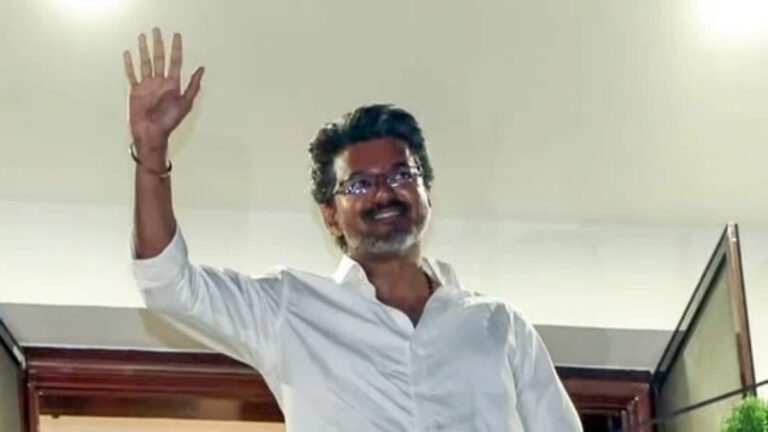
New Delhi, May 5, 2026 – In a moment that will be etched into the annals of Tamil Nadu’s political history, actor-turned-politician Vijay made his first public appearance following his party’s spectacular debut in the 2026 Tamil Nadu Legislative Assembly elections. The leader of the Tamilaga Vettri Kazhagam (TVK) stepped out from his residence to greet a massive sea of supporters who had gathered to celebrate the party’s seismic shift in the state’s political landscape.

With a humble wave and a gesture of gratitude, Vijay acknowledged the overwhelming mandate bestowed upon his party by the electorate. His appearance comes just hours after official results confirmed that the TVK, which he launched less than two years ago, has emerged as the single largest party in the state, effectively breaking the decades-old duopoly of the DMK and the AIADMK.

A Seismic Shift in Dravidian Politics

The 2026 assembly elections have proven to be a watershed moment for Tamil Nadu. For over 50 years, the state has alternated between the two major Dravidian giants—the Dravida Munnetra Kazhagam (DMK) and the All India Anna Dravida Munnetra Kazhagam (AIADMK). The arrival of TVK has dismantled this binary, ushering in a new era of multi-polar politics.

The Election Commission of India has declared that the TVK secured 108 seats, falling just short of the simple majority mark of 118 in the 234-member assembly. While the party did not secure an outright majority, its performance has surpassed all exit polls and political analysts’ predictions, marking an unprecedented entry for a first-time contestant.

The ruling DMK, led by incumbent Chief Minister M.K. Stalin, saw its seat tally reduced to 59, while the AIADMK finished with 47 seats. This outcome has resulted in a hung assembly, placing the TVK at the center of upcoming negotiations to form the next government.

From Cinema Icon to Political Force

Vijay’s transition from one of Tamil cinema’s most beloved stars to a legitimate political powerhouse has been nothing short of cinematic. Known affectionately by fans as “Thalapathy,” he commanded massive influence in the entertainment industry before formally pivoting to full-time politics.

His campaign focused on themes of transparency, social justice, and a “clean” alternative to established political corruption. By winning in both the Perambur and Tiruchirappalli East constituencies, Vijay has demonstrated that his appeal extends beyond the silver screen, resonating deeply with rural and urban voters alike.

Political observers note that his campaign strategy—characterized by grassroots organizing, a clear emphasis on youth employment, and an anti-dynastic rhetoric—struck a chord with voters fatigued by the traditional power structures.

Scenes of Jubilation

Visuals from outside the actor’s residence in Chennai showed thousands of supporters cheering, chanting his name, and dancing to festive music. The mood was electric, reflecting a sense of triumph among those who had pinned their hopes on the newcomer.

Vijay, dressed simply and maintaining a composed demeanor, was seen thanking the crowd with folded hands. His appearance was brief but symbolic, signaling that while the electoral battle is won, the responsibility of governance and coalition building lies ahead.

“This is not a victory for a person or a party,” an aide close to the party stated, “It is a victory for the people who wanted a fresh start. Thalapathy understands the weight of this mandate and is committed to putting the state’s interests first.”

What Lies Ahead: The Path to Government

As the state grapples with the reality of a hung assembly, all eyes are now on the next steps for the TVK. With 108 seats, the party holds the “keys to the kingdom.”

  • Alliance Talks: Political analysts are speculating on potential post-poll alliances. Whether the TVK will seek support from smaller parties or engage in complex negotiations with established players to secure a working majority remains the primary question.
  • Government Formation: The Governor of Tamil Nadu is expected to invite the leader of the single largest party to discuss the formation of a government, setting the stage for intense political maneuvering in the coming days.
  • A New Opposition: With the DMK pushed into the position of the official opposition, the dynamics within the state assembly are set to undergo a dramatic change, with new legislative priorities likely to emerge.

For now, the people of Tamil Nadu are witnessing a historic reset. The “Vijay Wave,” once a phenomenon of the box office, has transformed into a tidal wave in the political arena, rewriting the rules of the game and leaving no doubt that Tamil Nadu’s political identity has been permanently altered.

As the dust settles on the polling stations, the focus shifts to the legislative halls. Whether the TVK can translate its massive popular support into effective governance remains the true test of this burgeoning political force. For today, however, the message from the thousands on the streets of Chennai is clear: the era of the status quo has ended, and a new, unpredictable chapter has begun.

Lisa Stuns in Custom Robert Wun at the 2026 Met Gala

New Delhi, May 5, 2026: The 2026 Met Gala has officially cemented its place in fashion history, and at the heart of the spectacle was global superstar Lisa. As the industry’s elite gathered at the Metropolitan Museum of Art in New York City on May 4 to celebrate the theme “Costume Art” and the dress code “Fashion Is Art,” the BLACKPINK member didn’t just attend—she commanded the red carpet with an avant-garde ensemble that left spectators and critics breathless.

The Sculpture That Breathed

In a year where the prompt asked celebrities to interpret fashion as a form of high art, many struggled to balance wearability with pure creative expression. Lisa, however, embraced the challenge with a surreal, mind-bending creation by designer Robert Wun.

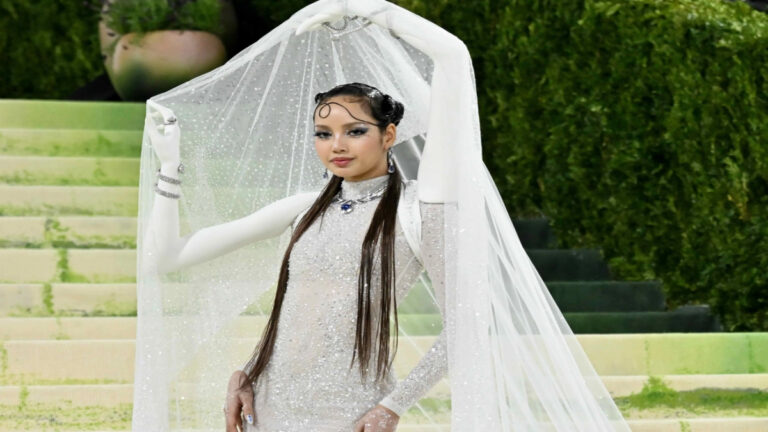
The gown, a stunning, semi-sheer white masterpiece, was a marvel of craftsmanship. Drenched in over 66,000 sparkling white Swarovski crystals, the garment was meticulously constructed, requiring nearly 3,000 hours of dedicated handwork. Yet, it was the structural silhouette that truly defined the look.

The dress featured a tent-like structure that created a haunting, beautiful illusion. Emerging from the shoulders of the gown were two rigid, mannequin-like arms, sculpted in traditional Thai dance poses. These 3D-printed appendages served as a stunning tribute to Lisa’s cultural roots, gracefully holding up a sheer, sweeping veil that cascaded to the floor. The result was less of a dress and more of a living, walking sculpture—an ethereal optical illusion that perfectly embodied the “Fashion Is Art” mandate.

A Historic Night of Collaboration

Lisa’s appearance at the 2026 gala carried extra weight this year, marking her first time serving as a member of the official Met Gala Host Committee. Sharing the responsibility with icons such as Beyoncé, Nicole Kidman, and Venus Williams, her presence highlighted the undeniable and growing influence of K-pop stars on the global fashion stage.

Adding to the emotional resonance of the evening, 2026 marked a rare, historic milestone: all four members of BLACKPINK—Lisa, Jennie, Rosé, and Jisoo—attended the event together. While they walked the carpet separately, their collective presence inside the museum created a whirlwind of excitement, proving once again why they remain one of the most powerful groups in entertainment history. For Jisoo, the night was particularly special, serving as her highly anticipated Met Gala debut.

The Details That Matter

To ground such a conceptual, artistic look, the styling had to be nothing short of precise. Lisa’s team leaned into a striking color palette to contrast the icy, crystalline white of the gown. She accessorized with bold, high-jewelry pieces from Bulgari, which adorned the sculpted mannequin arms, creating a seamless blend between high fashion and fine jewelry.

Her beauty look was equally intentional, featuring a dramatic, icy wash of blue eyeshadow that perfectly matched a statement blue necklace. The symmetry between her makeup and the jewelry pulled the entire whimsical, surreal ensemble together, showcasing a level of detail that elevated her from a celebrity attendee to an installation of art herself.

From Coachella to the Met

This architectural fashion moment comes at a blistering pace for the star. Just weeks ago, Lisa made headlines with a surprise appearance at Coachella, joining collaborator Anyma for a live performance of their hit track, “Bad Angel.” Her ability to oscillate between the high-energy, raw atmosphere of a music festival and the polished, intellectual environment of the Met Gala highlights her unique versatility.

Unlike her 2025 debut—where she opted for a modern, edgy, and “pantless” look by Louis Vuitton—her 2026 ensemble represented a pivot toward full-blown conceptual performance art. By pushing the boundaries of what a gown can be, Lisa has proven that she is no longer just a trendsetter; she is a creative force willing to take risks that redefine the red carpet.

As the dust settles on the Metropolitan Museum of Art, one thing remains clear: Lisa’s Robert Wun gown will be cited for years to come as the definitive look of the 2026 “Fashion Is Art” exhibition. It was bold, it was beautiful, and it was undeniably iconic.

Blake Lively and Justin Baldoni Reach Settlement in ‘It Ends With Us’ Lawsuit

New Delhi, May 5, 2026: In a dramatic conclusion to one of Hollywood’s most highly publicized legal battles, actors Blake Lively and Justin Baldoni have reached a settlement in their lawsuit regarding the production of the 2024 film It Ends With Us. The agreement, announced on May 4, 2026, brings an end to over a year of contentious litigation just two weeks before the case was scheduled to head to trial.

A Swift End to Lengthy Legal Drama

The settlement comes as both parties were preparing for a high-stakes jury trial in New York, which was slated to begin on May 18, 2026. The trial was expected to last several weeks and likely would have resulted in invasive public testimony regarding the private, day-to-day operations on the film’s set.

By choosing to settle, both Lively and Baldoni have avoided the courtroom, preventing what many industry analysts feared would be a damaging spectacle for both stars. While the specific financial and legal terms of the agreement have not been disclosed, the decision to resolve the matter privately signals a desire from both sides to move past the conflict.

The Origins of the Dispute

The legal friction began in late 2024 following the release of It Ends With Us, an adaptation of Colleen Hoover’s bestselling novel about domestic violence.

Lively’s lawsuit, filed in December 2024, alleged that Baldoni and his production company, Wayfarer Studios, created a sexually hostile work environment. Among her claims, Lively alleged that Baldoni made inappropriate comments about her appearance, violated personal boundaries during filming, and pushed for explicit content against her wishes. Furthermore, she accused Baldoni of orchestrating a retaliatory “smear campaign” designed to ruin her professional reputation after she brought these concerns forward.

Baldoni vigorously denied these allegations throughout the proceedings. He countersued, claiming that Lively—aided by her husband, actor Ryan Reynolds—was attempting to seize creative control over the film and was engaging in a campaign to harm his own public image. Baldoni’s defamation and extortion countersuit was previously dismissed by a judge in June 2025.

Narrowing the Case

The scope of the legal battle had been significantly narrowed in the months leading up to the settlement. In April 2026, U.S. District Judge Lewis J. Liman dismissed 10 of the 13 claims initially brought by Lively, including her primary sexual harassment allegations under federal law, noting that as an independent contractor, she did not meet the employment criteria for those specific charges.

However, the judge had allowed claims regarding retaliation and breach of contract to proceed, setting the stage for the trial that was ultimately averted by this week’s agreement.

A Move Toward “Closure and Peace”

Following the settlement, lawyers for both sides issued a joint statement emphasizing a desire to move forward constructively.

“The end product — the movie It Ends With Us — is a source of pride to all of us who worked to bring it to life,” the statement read. “Raising awareness, and making a meaningful impact in the lives of domestic violence survivors — and all survivors — is a goal that we stand behind.”

The statement further acknowledged the difficulty of the process, adding: “We acknowledge the process presented challenges and recognize concerns raised by Ms. Lively deserved to be heard. We remain firmly committed to workplaces free of improprieties and unproductive environments. It is our sincere hope that this brings closure and allows all involved to move forward constructively and in peace, including a respectful environment online.”

What This Means for the Future

The film itself, which tells the story of a woman navigating a complex and abusive relationship, proved to be a massive commercial success, grossing over $351 million worldwide.

With the legal chapter now closed, the focus for both parties shifts to their respective careers. Industry observers note that while the lawsuit cast a long shadow over the film’s release, both stars remain prominent figures in entertainment. The settlement provides a definitive “stop” to the cycle of public filings and media speculation, allowing both Lively and Baldoni to focus on their future projects without the constant distraction of looming court dates.

For the legal and entertainment communities, the resolution serves as a reminder of the complexities surrounding workplace dynamics and creative control in modern film production.

Karan Johar Grand Debut to Isha Ambani Golden Saree: India Moment at Met Gala 2026

New Delhi, May 5, 2026: The iconic steps of New York’s Metropolitan Museum of Art transformed into a global runway once again this week, as the 2026 Met Gala celebrated the intersection of “Costume Art” and “Fashion as Art.” While the evening was packed with international A-listers, it was the Indian contingent that undeniably stole the show. With a blend of breathtaking couture, rich cultural storytelling, and bold artistic statements, Indian celebrities solidified their status as major players on the global fashion stage.

From the highly anticipated debut of filmmaker Karan Johar to the regal, jewelry-laden appearance of Isha Ambani, the 2026 red carpet felt less like a gala and more like a curated, traveling museum of Indian heritage and modern craftsmanship.

Karan Johar’s “Framed in Eternity” Debut

The most buzzworthy moment of the night arguably belonged to Karan Johar, who made his official Met Gala debut. Known for his maximalist style and passion for storytelling, the filmmaker did not just attend the event—he made it a performance.

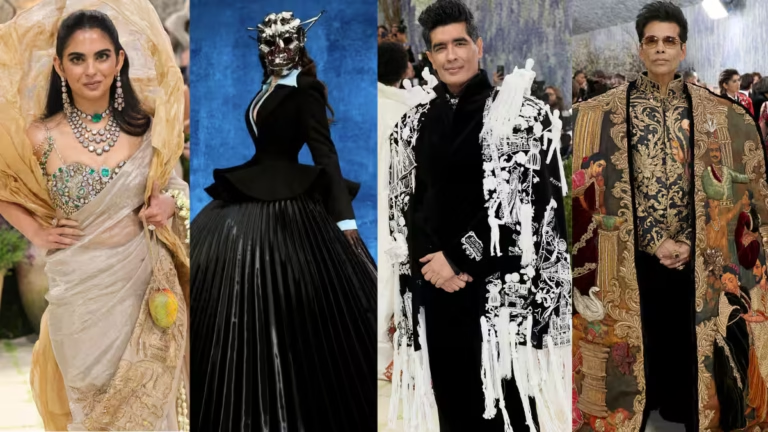
Styled by Eka Lakhani and dressed in a bespoke creation by his longtime collaborator Manish Malhotra, Johar’s look was titled “Framed in Eternity.” The ensemble was a poignant, deeply researched homage to the legendary Indian artist Raja Ravi Varma.

The outfit featured a richly embroidered black bandhgala, but the centerpiece was a magnificent, hand-painted cape. According to reports, the garment took over 80 artisans nearly 85 days to complete. The cape showcased iconic motifs from Varma’s paintings—including Hamsa Damayanti and Arjuna and Subhadra—rendered with Zardozi borders, three-dimensional lotuses, and swans.

Speaking on the inspiration behind the look, Johar shared that he wanted to bring the “emotions” of Varma’s art to the global stage. “I didn’t want to arrive here trying to explain India,” he noted. “This look is my way of wearing that inheritance.” The internet responded with fervor, with netizens crowning him one of the best-dressed stars of the night, praising the look for its authentic blend of cinematic drama and historical reverence.

Isha Ambani: A Masterclass in Legacy and Art

If Karan Johar brought the drama of cinema, Isha Ambani brought the weight of history. Always a standout at the Met Gala, Ambani’s 2026 appearance was a masterclass in conceptual fashion, featuring a custom Gaurav Gupta sari that pushed the boundaries of textile art.

The sari was custom-woven with pure gold threads by master artisans from the Swadesh collective. However, it was the blouse—a structural marvel—that captured global attention. Embedded with over 1,800 carats of diamonds, rare emeralds, and polki stones from Nita Ambani’s private heirloom collection, the piece blurred the lines between high-fashion couture and museum-grade jewelry.

Perhaps the most intriguing part of her ensemble was her choice of accessory: a Subodh Gupta mango sculpture. At first glance, many attendees were puzzled, wondering if she was carrying a real fruit. Ambani clarified that it was a 20-year-old steel sculpture by the celebrated Indian contemporary artist, perfectly aligning with the night’s theme of “Fashion as Art.”

Her look, completed by a jasmine-inspired hair sculpture handcrafted from paper, copper, and brass, was a testament to India’s ability to modernize ancient aesthetics for a contemporary global audience.

A Strong Indian Presence on the Global Stage

While Johar and Ambani were the primary headliners, the presence of other Indian figures highlighted the country’s growing influence in the fashion world. The red carpet saw a collective push toward “wearable art,” with stars choosing pieces that spoke to the night’s theme of treating the body as a canvas.

The 2026 edition of the Met Gala served as a reminder that Indian fashion is no longer just “participating” in the conversation—it is leading it. By opting for deep-rooted cultural narratives over fleeting western trends, these celebrities turned the spotlight toward the incredible skill of Indian artisans.

Whether it was the 1200 hours of labor poured into a Gaurav Gupta silhouette or the meticulous hand-painting on a Manish Malhotra cape, the message was clear: Indian craft is a form of fine art that demands a seat at the highest table of global fashion.

Why This Year Felt Different

In previous years, the excitement surrounding Indian celebrities at the Met Gala was often focused on their individual star power. In 2026, the focus shifted toward narrative. The attendees didn’t just wear designer clothes; they wore stories. They brought the paintings of Ravi Varma to life, showcased the timeless elegance of gold-woven textiles, and highlighted the brilliance of contemporary Indian sculptors. As the evening concluded, it was clear that the Indian contingent had successfully transformed the Met steps into a testament to the country’s artistic soul.

For fans and fashion critics alike, the 2026 Met Gala will be remembered as the year India truly arrived—not as a visitor, but as an architect of global style.

Shanoo Sharma Wedding: Bhumi Pednekar Shares Candid Glimpses

New Delhi, May 4, 2026: The Indian film industry recently witnessed a heartwarming, private celebration as prominent casting director Shanoo Sharma tied the knot. Known for her immense contribution to Bollywood behind the scenes, Shanoo’s wedding was a beautiful, low-key affair that captivated fans and celebrities alike. While the ceremony took place on April 25, 2026, it remained largely out of the public eye until actress Bhumi Pednekar recently shared a series of unseen, intimate glimpses, rekindling the excitement surrounding the star-maker’s big day.

A Private Ceremony, A Public Wave of Love

Shanoo Sharma, the powerhouse casting director at Yash Raj Films (YRF), surprised her followers on April 25 by announcing her marriage through a heartfelt social media post. Keeping her personal life as private as her professional life is influential, she shared beautiful snapshots from the ceremony without initially revealing her husband’s identity.

In her announcement, she wrote, “With God’s grace, I found the greatest man to walk this Earth with… With our parents’ blessings and love from our closest ones, we made it official this morning.”

The industry responded with an outpouring of affection. Celebrities, including Parineeti Chopra, Varun Dhawan, and many others, flooded her comments section with congratulations. Notably, actor Ranveer Singh—whom Shanoo is credited with discovering—sent his love with a string of heart emojis, highlighting their enduring and supportive professional and personal bond.

Bhumi Pednekar’s Heartfelt Tribute

Nearly a week after the wedding, actress Bhumi Pednekar took to Instagram to share a more personal, behind-the-scenes look at the wedding celebrations. The post served as a sweet, candid tribute to her longtime friend.

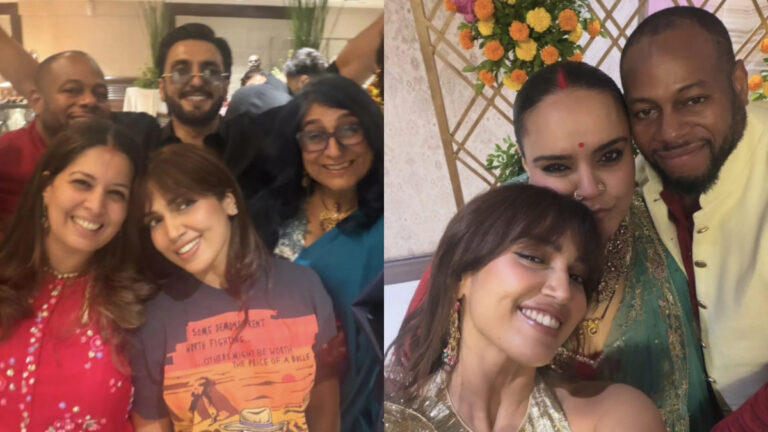
The pictures captured Shanoo glowing in bridal attire, proudly displaying her sindoor and mangalsutra. The photos were not just about the glamour of a celebrity wedding; they were filled with genuine joy, capturing candid moments of the couple surrounded by their closest friends and family. Bhumi also shared glimpses of her own mehendi and snapshots from the vibrant, intimate atmosphere of the event.

Accompanied by a touching note, Bhumi wrote: “What a week it’s been!!!!!!!!!!! Hearts full, soul’s happy, spirits are high and my Shanoo is married @shanoosharmarahihai love you.” The post provided fans with a rare, authentic look into a celebration that was defined by warmth and love rather than industry grandeur.

The Ranveer Singh Appearance: A Digital Stir

Among the photos shared by Bhumi Pednekar, one specific image sparked significant interest among fans. The photo featured Bollywood star Ranveer Singh, dressed in a black kurta, posing alongside the group at the wedding.

Shortly after the post went live, eagle-eyed fans noticed that the image featuring Ranveer was deleted from the carousel. However, the internet moves quickly. Screenshots of the deleted photo began circulating on various social media platforms, particularly Reddit, where fans were thrilled to see the actor present at the event.

The appearance was widely celebrated as a testament to the strong, lasting bond between Ranveer and Shanoo. For those familiar with Bollywood’s inner workings, Shanoo’s role in discovering Ranveer for his debut in Band Baaja Baaraat is legendary. Seeing them celebrate such a milestone together long after his meteoric rise to stardom was seen by many as a heartwarming reminder of the “old school” loyalty that still exists within the industry. Fans took to the comments to praise Ranveer for maintaining his long-standing relationships, with many noting how “handsome” he looked in his understated ethnic wear.

Shanoo Sharma: The Star-Maker Behind the Scenes

While the focus has been on the wedding, the buzz also serves as a reminder of Shanoo Sharma’s monumental influence on Hindi cinema. As a casting director, she has been instrumental in identifying, auditioning, and nurturing talent at the most critical stages of their careers.

Her ability to spot potential before it is fully formed has shaped the careers of numerous actors who are now household names. Her connection with Ranveer Singh is perhaps the most famous, but her fingerprints are on countless significant casting decisions in the last decade. Despite her high-profile job, Shanoo has remained remarkably consistent in keeping her private life away from the glare of the paparazzi. Her wedding, therefore, was a rare, intentional glimpse into the life of a woman who spends her career putting others in the spotlight.

A Celebration of Love

The wedding of Shanoo Sharma and her partner—who was later introduced to the world through her social media updates—has been a refreshing change of pace in the entertainment cycle. There were no grand, flashy PR campaigns or massive guest lists; instead, it was a ceremony rooted in family, close friends, and genuine happiness.

As the images continue to circulate, they offer a feel-good story that resonates with audiences. From the radiant bride to the presence of industry friends like Bhumi and Ranveer, the wedding stands as a beautiful reminder of the tight-knit community that exists within the glitz and glamour of Bollywood.

For those who have followed Shanoo’s journey as a professional, seeing her find this level of personal happiness has been the ultimate “happy ending.” As she begins this new chapter, the love from her colleagues and the industry at large continues to pour in, solidifying her status not just as a top-tier casting director, but as a cherished friend to many in the Indian film fraternity.