
 has hit a rough patch. Once considered the blueprint for)
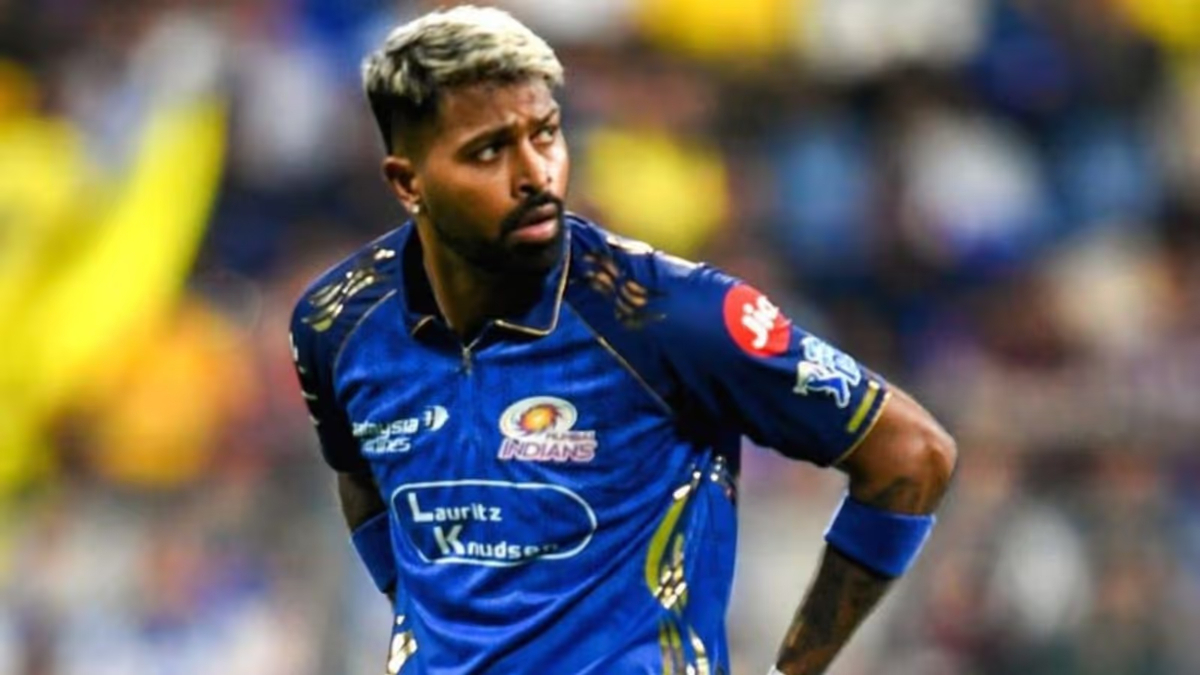
New Delhi, May 30, 2026: The famous “One Family” motto of Mumbai Indians (MI) has hit a rough patch. Once considered the blueprint for franchise stability and success, the five-time Indian Premier League (IPL) champions have dissolved into a hotbed of internal politics, dressing room factions, and strategic confusion. Following a disastrous IPL 2026 campaign where the heavyweights finished second from the bottom, a series of explosive reports have emerged, revealing a squad fundamentally split into two competing camps. At the heart of this storm is skipper Hardik Pandya, whose return has triggered a chain reaction that the management is now desperately struggling to contain.
The Great Divide: A Dressing Room of “Alphas”
Insiders and cricket pundits tracking the development reveal that the MI dressing room has fragmented into distinct leadership factions. The friction began ahead of the 2024 season when the management controversially brought Hardik Pandya back from Gujarat Titans and instantly handed him the captaincy, unseating Rohit Sharma—India’s highly respected multi-format leader at the time. What was meant to be a smooth succession plan has instead resulted in a cold war.
On one side stands the camp loyal to Rohit Sharma, the veteran who guided the franchise to all five of its historic titles and still commands immense respect from the senior domestic core. On the other side is Hardik Pandya, an isolated leader who has struggled to win the confidence of his peers. Former India cricketer Manoj Tiwary noted during the season that it visibly seemed “as though no one is truly standing by Hardik” on the pitch, pointing out a stark lack of on-field synergy and a visible dip in team morale.
This tension is compounded by what commentator Simon Doull described as a dressing room “full of alphas.” The current MI setup features multiple high-profile individuals who have captained India at various stages—including Rohit Sharma, T20I skipper Suryakumar Yadav, and premium pacer Jasprit Bumrah. When results started to slide, this concentration of star power transformed the dressing room from a cooperative unit into a fractured environment where different groups operate on entirely different wavelengths.
The Leak Crisis and Management’s Absolute Frustration
Beyond the tactical failures and sub-par performances, the top brass of Mumbai Indians is reportedly furious over a steady stream of dressing room “leaks.” Sensitive information, including private discussions from team meetings and strategic long-term planning regarding key players, has consistently made its way into the media space over the last few seasons.
A source tracking the franchise’s internal operations stated that while differences exist in almost every sports team, the level of division and bitterness at Mumbai Indians has reached an unusually high watermark. The hierarchy feels that the sanctity of the dressing room has been severely compromised.
Management’s immediate priority is a complete cultural reset. Insiders suggest that executive conversations will soon take place to address players who have been active on social media with cryptic emojis, as well as those perceived as “simply marking attendance” rather than showing full commitment to the badge. The franchise is determined to crack down on this indiscipline to prevent further private damage from spilling into the public domain.
Performance Slump and On-Field Fractures
The psychological strain of this internal divide was written clearly across MI’s on-field performance throughout IPL 2026. The team managed only three victories out of their first ten fixtures, effectively knocking them out of playoff contention early.
The visible body language in the dugout spoke volumes. Fans and analysts closely observed moments of friction, such as heated tactical disagreements between Hardik Pandya and Jasprit Bumrah during high-pressure death overs, alongside a stony-faced Rohit Sharma watching from the sidelines.
This lack of unity took a heavy toll on the scorecard. Pillars of the batting lineup, including Suryakumar Yadav and young prodigy Tilak Varma, suffered from uncharacteristic inconsistencies, enduring steep slumps in form that crippled MI’s middle-order engine room. To add to the chaos, Hardik’s own campaign was derailed by recurring fitness issues, culminating in a late-season bout of back spasms that saw him missing matches and, on one occasion, conspicuously failing to travel with the rest of the squad to an away fixture—igniting further rumors regarding his detachment from the group.
The Road to IPL 2027: Hardik’s Looming Exit and the Hunt for a New Leader
With the house in clear disarray, the experiment of building the franchise around Hardik Pandya appears to have run its course. Highly reliable tournament sources indicate that Pandya is mentally exhausted after enduring two turbulent seasons of relentless fan backlash, heavy booing at the Wankhede Stadium, and intense dressing-room friction. Both Pandya and the MI management have reportedly reached a mutual understanding to part ways ahead of the IPL 2027 mega auction. The all-rounder is expected to enter the trading window, with franchises like Delhi Capitals and Kolkata Knight Riders already floating around as potential destinations.
This imminent departure forces Mumbai Indians to hit the ultimate reset button. The management must now decide who will steer the ship into the next multi-year auction cycle, with four major options on the table:
- Rohit Sharma: The safest short-term option to stabilize a rocking ship and restore immediate locker-room harmony, though long-term rebuilding would still be delayed.
- Suryakumar Yadav: India’s current T20I captain offers ready-made leadership credentials and deep roots within MI’s tactical ecosystem.
- Jasprit Bumrah: A world-class performer who commands total player respect and recently made his captaincy debut for the franchise, though his workload as a premium fast bowler remains a key variable.
- Tilak Varma: Supported by several senior figures as a visionary choice, the 23-year-old represents a long-term investment around whom a fresh, post-crisis identity can be built.
Ultimately, the internal turmoil since Hardik Pandya’s return has exposed deep structural fault lines within Mumbai Indians. To regain their status as a premier cricketing powerhouse, the hierarchy must look beyond individual star power and focus on rebuilding the cohesive, disciplined culture that once defined their golden era.