

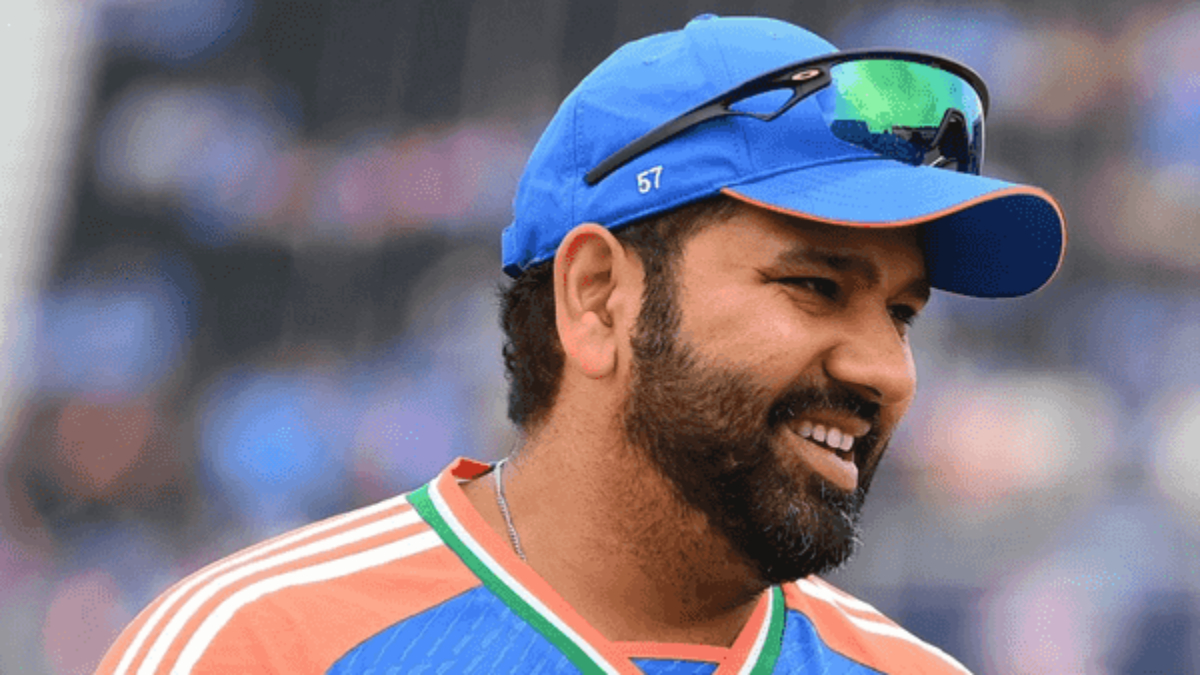
New Delhi, May 30, 2026: The debate over transition versus legacy in Indian cricket has ignited once again. Former India cricketer and veteran commentator Sanjay Manjrekar has aggressively criticized the BCCI selection committee over the recently announced squad for the upcoming three-match One Day International (ODI) series against Afghanistan.
Speaking on Sportstar’s Insight Edge podcast, Manjrekar launched a scathing evaluation of chief selector Ajit Agarkar’s vision. He raised heavy dynamic concerns regarding the inclusion of 39-year-old veteran opener Rohit Sharma, while prolific youngsters like Yashasvi Jaiswal and Sai Sudharsan were completely frozen out. Manjrekar went as far as to state that the selectors owe a personal apology to Jaiswal for continuously disregarding his sensational performances.
The Core of the Conflict: Form and Fitness Under Fire
The crux of Manjrekar’s outrage stems from what he perceives as a complete lack of operational logic from the selection panel. Rohit Sharma’s availability for the Afghanistan series—slated to begin on June 14—was notably made subject to fitness following a hamstring injury that kept him out of multiple games during the Indian Premier League (IPL). While Rohit did flex his muscles with a rapid 84 off 44 balls in one game upon his return, his remaining IPL appearances were uncharacteristically quiet, failing to pass 25 runs.
This drop in domestic performance follows a lean patch in international 50-over cricket earlier in the year, where Rohit registered a disappointing total of just 61 runs across three ODIs against New Zealand.
The Snub: Why Jaiswal Deserves an Apology
Manjrekar’s heaviest defense was reserved for 24-year-old Yashasvi Jaiswal. The young left-hander has taken international cricket by storm, demonstrating world-class temperament and boundary-hitting prowess primarily in Test cricket. However, his white-ball opportunities have remained frustratingly limited despite high returns.
In his last ODI appearance against South Africa, Jaiswal hit a majestic, unbeaten 116. Despite holding a fresh century under his belt, he found himself dropped from the squad to accommodate the veteran opener.
Manjrekar emphasized that handling young prodigies with such inconsistency can be emotionally and professionally draining. He urged the management to be clear and transparent with the next generation.
“If they were compelled to make a compromise and pick Rohit Sharma for whatever reasons, then the first thing they should do is pick up the phone, call Jaiswal and apologise,” Manjrekar urged. “This is a young player who has done tremendous things at the toughest level in Test cricket. He is in his prime, with a bright future ahead of him. The same goes for Sai Sudharsan.”
Eyeing 2027: The World Cup Succession Dilemma
With India having transitioned the ODI captaincy over to Shubman Gill, the broader question consuming the cricket community revolves around structural building for the 2027 ICC Cricket World Cup. By the time the next mega-event arrives, Rohit Sharma will be 40 years old.
Manjrekar pointed out that continuing to fall back on veteran experience out of sheer habit or reputation hinders the development of a formula that can end India’s long-standing ICC trophy drought in the 50-over format, which stretches back to 2011. He noted that while modern legends like Virat Kohli continue to command their places by maintaining pristine physical fitness and relentless run-scoring, the same unconditional pass cannot be logically applied across the board.
According to Manjrekar, the ideal, future-proof top three for India’s ODI lineup is already screaming for implementation: Shubman Gill, Yashasvi Jaiswal, and Sai Sudharsan. This combination offers a dynamic blend of right-and-left-handed options, immense youth, and a proactive approach to modern powerplay batting.
The Selector’s Hardest Responsibility
Ultimately, the outspoken commentator noted that the real metric of a selection committee is not simply checking box-office names, but making the uncomfortable, forward-thinking decisions that protect the health of Indian cricket down the pipeline.
“Everybody knows what the right thing to do is,” Manjrekar concluded. “When you look at numbers and try to justify the selection, that’s not really the job. The job is to do what’s best for Indian cricket going forward. A selector’s job is not just about thinking of Virat Kohli or Rohit Sharma. They also have to think about the 50 or 100 other players who are fighting for an opportunity to play for India.”
As India gears up to face Afghanistan, all eyes will heavily lock onto Rohit Sharma’s blade. If the veteran bounces back with a signature explosive masterclass, the selection committee will breathe a temporary sigh of relief. However, if his struggles with timing and physical fitness persist, the chorus led by Manjrekar demanding an immediate youth revolution will only grow louder.