

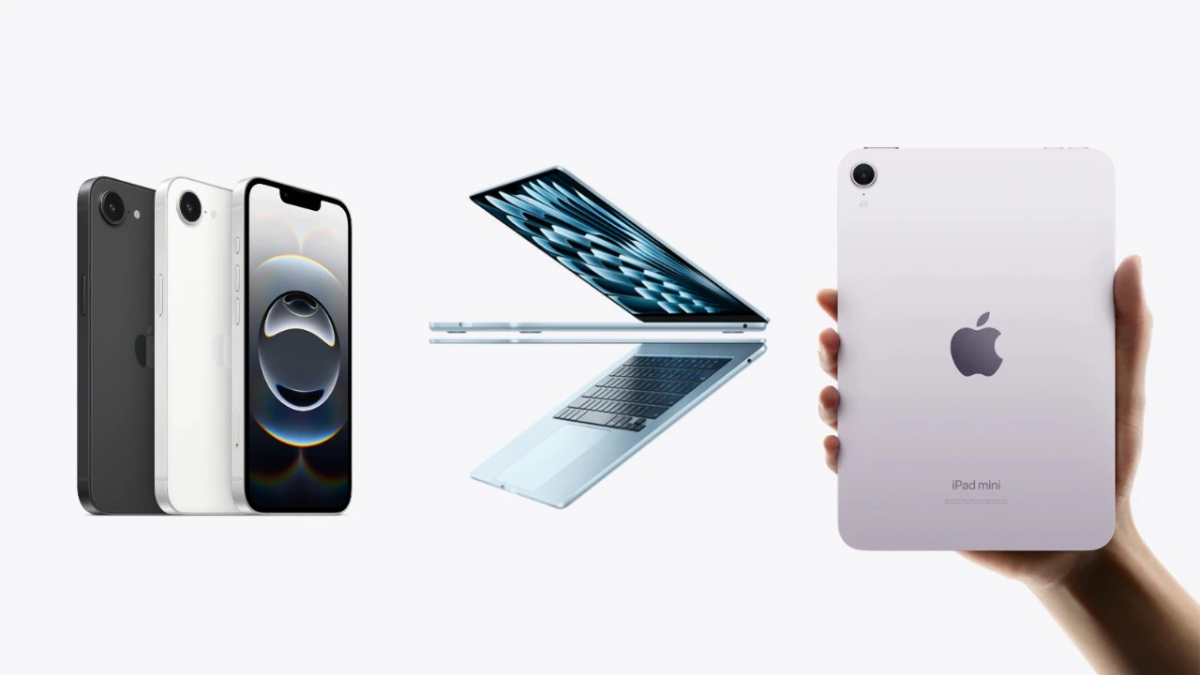
New Delhi, February 9, 2026: Apple is preparing for one of its most aggressive early-year hardware rollouts in history, with reports indicating a wave of new devices slated for release as early as late February and throughout March 2026. Heading the charge is the highly anticipated iPhone 17e, a device positioned to redefine Apple’s affordable smartphone segment, alongside significant refreshes for the iPad and MacBook lineups.
Unlike the splashy, star-studded events of the fall, current leaks suggest Apple may opt for a “press release launch” strategy for these specific devices, allowing them to hit the market quickly to capitalize on the Q1 shopping season.
The iPhone 17e: A Powerhouse for the Budget-Conscious
The “e” series has officially replaced the SE moniker as Apple’s gateway device. Expected to launch around February 19, 2026, the iPhone 17e is rumored to bridge the gap between affordability and flagship power.
- A19 Silicon: The most significant upgrade is the inclusion of the A19 chip, the same processor found in the standard iPhone 17. This ensures the 17e is fully compatible with Apple Intelligence, providing advanced AI features to users without the “Pro” price tag.
- MagSafe & Connectivity: For the first time in the budget lineup, MagSafe charging is expected to debut, supporting speeds up to 25W. Additionally, the device is tipped to feature Apple’s in-house C1X modem, which promises more efficient 5G performance and improved Wi-Fi 7 stability.
- Design Tweaks: While it will likely retain the 6.1-inch form factor, debate remains over the display. Some sources suggest a shift to the Dynamic Island, while others indicate Apple may keep the notch for one final generation to maintain its $599 entry price.
iPads Move to the M4 and A19 Era
The tablet lineup is also due for a spring cleaning. Apple is reportedly focusing on performance parity across its devices to ensure all new iPads can handle the increasing demands of on-device AI.
- 12th-Gen Budget iPad: The entry-level iPad is expected to jump from the A16 directly to the A19 chip (or a binned version of it). This 50% performance boost is specifically designed to enable Apple Intelligence. The design is expected to remain largely unchanged, focusing on internal efficiency.
- M4 iPad Air: The iPad Air is rumored to graduate to the M4 processor, bringing it closer to the performance of the current iPad Pro. This update will likely include the new N1 wireless chip for better Bluetooth 6.0 and Wi-Fi 6E connectivity.
What Else is Coming?
Beyond mobile devices, Apple’s roadmap for the first half of 2026 includes several other notable updates:
- M5 MacBook Air: Apple’s most popular laptop is expected to receive the M5 chip as early as March 2, though the exterior design will remain the same.
- Home Hub: A brand-new product category—a smart home display with a 7-inch screen—is rumored to be in the final stages of production.
- AirTag 2: The long-awaited successor to the item tracker is expected to feature a new Ultra Wideband chip with significantly improved range.
Why This Matters
This upcoming “spring blitz” represents a shift in Apple’s strategy. By bringing flagship-level chips (like the A19 and M4) to budget and mid-range devices sooner, Apple is ensuring that its Apple Intelligence ecosystem has the widest possible user base. For consumers, this means the choice between a $600 phone and a $1,000 phone is no longer about whether you get the latest software features, but simply about the hardware—like camera lenses and display refresh rates—that surrounds them.