

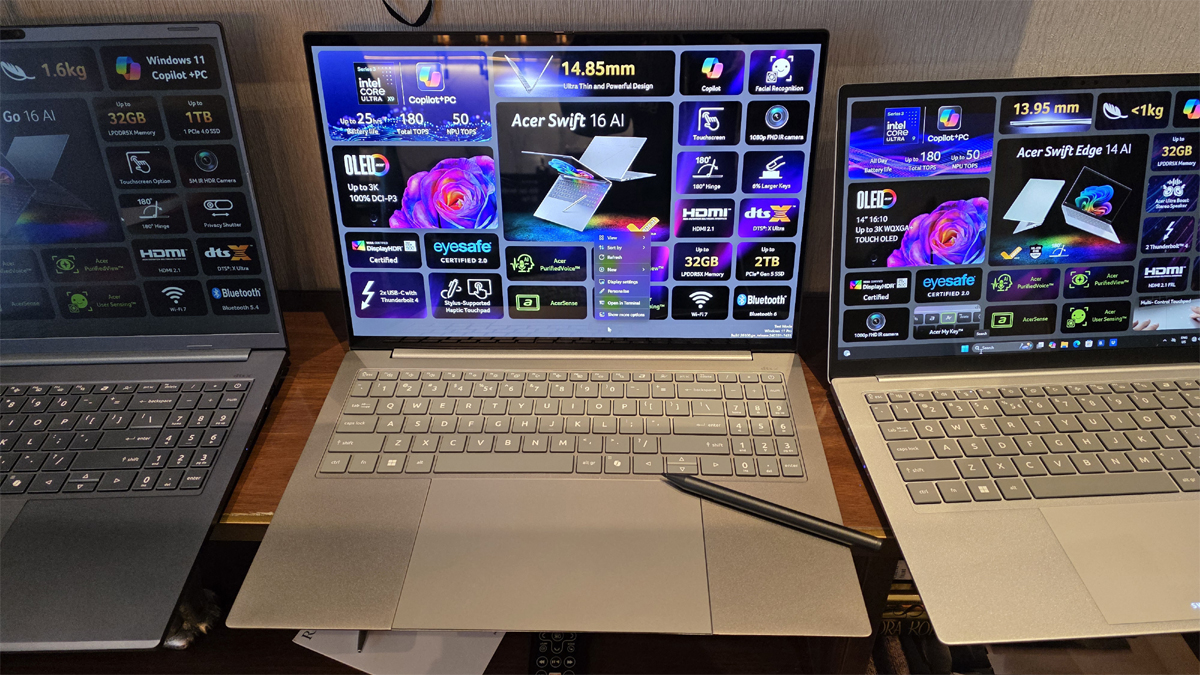
New Delhi, February 16, 2026: In a significant development for the European tech market, a German court has ordered a halt to the sale of ASUS and Acer personal computers and laptops. The ruling, delivered in late January 2026 by the Munich Regional Court, stems from a long-running patent infringement lawsuit filed by the Finnish telecommunications giant, Nokia.
The Core of the Conflict: Video Compression Technology
The dispute centers on Standard Essential Patents (SEPs) related to the HEVC (High-Efficiency Video Coding) standard, also known as H.265. This technology is a critical industry standard used globally to compress high-resolution video—such as 4K and 8K—allowing for smooth streaming and high-quality playback while consuming less bandwidth.
Nokia, which holds a vast portfolio of patents essential to these video standards, alleged that ASUS and Acer have been utilizing this technology in their laptops and desktops without paying the necessary licensing fees. While other manufacturers, including Hisense, recently settled similar disputes by entering into licensing agreements, ASUS and Acer opted to contest the claims in court.
Scope of the Sales Ban
The court’s injunction is specific and impactful. Under the current ruling:
- Direct Sales Halted: ASUS and Acer are prohibited from “offering, marketing, or importing” infringing devices within Germany.
- Retailers Unaffected: The ban applies specifically to the manufacturers. Third-party retailers (such as MediaMarkt, Saturn, or Amazon.de) are generally permitted to sell through their existing stock. However, once those inventories are depleted, they cannot be replenished with new imports until the legal situation is resolved.
- Support Services Impacted: Reports indicate that ASUS has temporarily restricted access to certain support and driver portals in German-speaking regions, likely as a precautionary legal measure following the verdict.
Why Germany?
Germany is a frequent battleground for patent litigation because of its “bifurcated” legal system, which often allows for injunctions to be granted relatively quickly compared to other jurisdictions. Furthermore, German courts maintain a strict interpretation of FRAND (Fair, Reasonable, and Non-Discriminatory) licensing terms. In this case, the court determined that the Taiwanese manufacturers were “unwilling licensees” who failed to meet the requirements for a standard-essential patent agreement.
What This Means for Consumers
For the immediate future, German consumers may find it increasingly difficult to purchase the latest models from these two brands, which collectively hold a significant share of the budget and gaming laptop segments.
If a resolution is not reached soon, the market could see:
- Price Spikes: Reduced supply of popular gaming series like ROG (ASUS) or Predator (Acer) may drive up prices for remaining units.
- Shift to Open Standards: This legal pressure is accelerating an industry-wide shift toward royalty-free alternatives like AV1, which aim to bypass the licensing hurdles associated with HEVC.
The Path Forward
ASUS and Acer are expected to appeal the decision. However, to resume operations in one of Europe’s largest economies, the companies will likely need to follow in the footsteps of competitors and reach a multi-year licensing deal with Nokia. Until then, the presence of these tech giants in German storefronts remains on indefinite standby.