

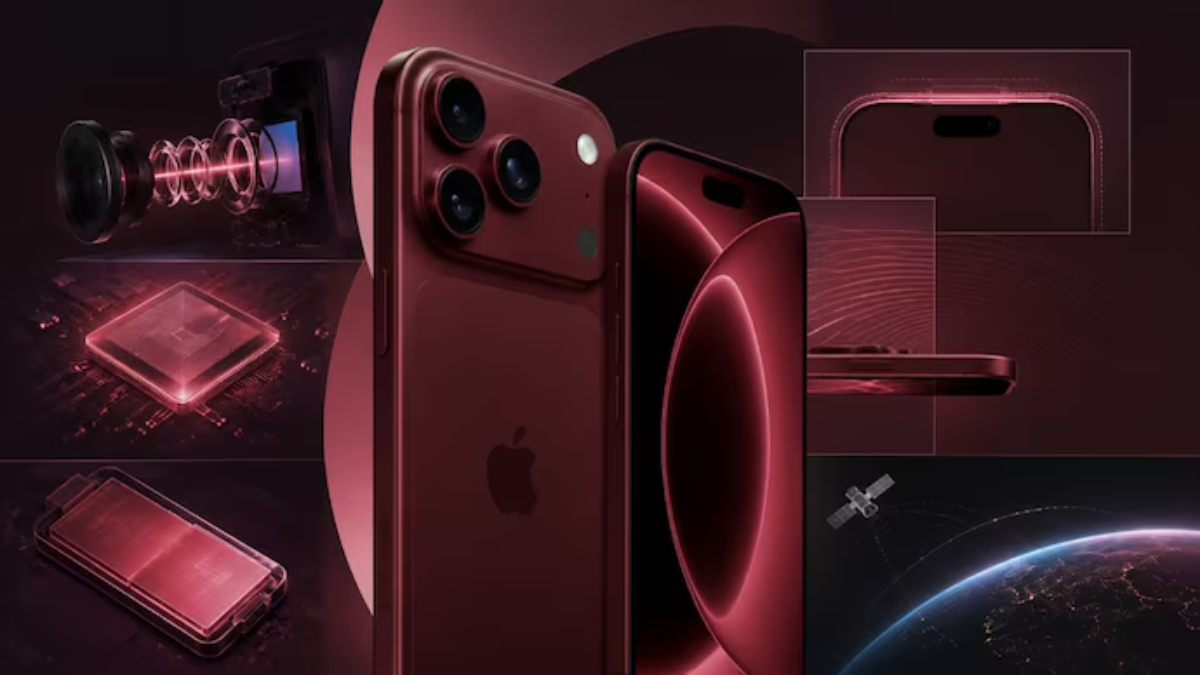
New Delhi, June 11, 2026: The tech world is buzzing with excitement as Apple prepares to unveil its highly anticipated next-generation flagship, the iPhone 18 Pro Max. While the official reveal is slated for the company’s traditional autumn event, a massive wave of credible supply chain leaks has already painted a incredibly vivid picture of what to expect. This year, Apple is not just offering an incremental, routine refresh. Instead, the tech giant is reportedly engineering some of the most profound hardware shifts in the device’s history, targeting meaningful improvements in processing raw power, cellular technology, camera mechanics, and endurance. Driven by a desire to supercharge “Apple Intelligence” and secure its premium smartphone dominance, Apple looks ready to introduce five massive, game-changing upgrades to its top-tier Pro Max model.
The undisputed crown jewel of the upcoming iPhone 18 Pro Max upgrades is the introduction of the A20 Pro chipset. This processor marks a monumental technological milestone as Apple’s very first mobile silicon manufactured on TSMC’s cutting-edge 2-nanometer (2nm) process. In plain terms, shrinking the chip architecture allows engineers to cram billions of additional transistors into an incredibly tiny space. Industry insiders indicate that this translation to 2nm technology will yield a 15% increase in CPU speed alongside a massive 30% reduction in power consumption compared to the previous generation. To further maximize this performance, Apple is rumored to be using an advanced Wafer-Level Multi-Chip Module (WMCM) packaging method, which integrates a rumored 12GB of RAM directly into the main system-on-chip setup. This structural powerhouse is intentionally designed to handle heavy, on-device artificial intelligence tasks locally, ensuring that complex generative AI features run instantly without causing thermal throttling or overheating.
Beyond the internal brainpower, the physical face of the iPhone 18 Pro Max is set to get a much-welcomed visual redesign. Since its introduction, the pill-shaped “Dynamic Island” cutout at the top of the display has eaten into valuable screen space. For the iPhone 18 Pro Max, Apple is reportedly shrinking this interface element significantly. Renowned tipsters suggest that Apple has successfully relocated some of the complex Face ID sensors—specifically the flood illuminator components—directly underneath the display glass. This engineering feat allows the visible camera cutout to shrink by an estimated 35%, making it noticeably narrower and far less intrusive. When paired with a massive 6.9-inch display utilizing energy-efficient LTPO+ panel technology, users will enjoy a cleaner, highly expansive view with significantly increased peak screen brightness, giving the phone a remarkably futuristic, bezel-free appearance.
Also Read: Escalation in the Gulf: India Protests as US Military Disables Second Tanker in One Week
Turning the device over reveals what industry analysts are calling one of the most radical camera updates in modern smartphone history. Apple is reportedly breaking away from fixed optics by introducing a mechanical variable aperture system to the main 48-megapixel Fusion camera. This revolutionary hardware upgrade allows the camera lens to physically expand or contract, manually adjustment how much ambient light enters the sensor. Photographers can utilize a wide, shallow depth of field to isolate subjects with natural, blurry backgrounds, or step down to a deeper focus for perfectly sharp landscapes. Furthermore, both the main and telephoto lenses are expected to receive wider apertures across the board to heavily minimize image grain and maximize details during nighttime or low-light shooting. Rumors also hint that Apple is testing a sophisticated three-layer stacked image sensor sourced from Samsung to dramatically enhance overall dynamic range and image capture responsiveness.
In tandem with these external innovations, Apple is finally breaking its reliance on third-party network chips by debuting its own custom-built cellular modem, codenamed the Apple C2. This second-generation in-house modem represents years of secret research and development, and it aims to deliver dramatically superior network stability, faster 5G download speeds, and significantly reduced battery drain when searching for weak signals. Perhaps the most exciting aspect of the C2 modem is its rumored expansion into true consumer-facing satellite connectivity. While previous iterations limited satellite capabilities strictly to emergency SOS texts, the iPhone 18 Pro Max is rumored to support actual web browsing, navigation mapping, and photo sharing entirely over satellite networks, offering a vital communication lifeline when users travel entirely off the grid.
Finally, all of these power-hungry internal components will be supported by what is being teased as the longest-lasting battery ever packed into an iPhone. The physical footprint of the iPhone 18 Pro Max is expected to become slightly thicker, measuring roughly 8.8mm to comfortably accommodate a larger physical battery cell rumored to sit between 5,100mAh and 5,200mAh. When you combine this physically larger fuel tank with the 30% efficiency savings of the 2nm A20 Pro chip, the power savings of the new LTPO+ display panel, and the optimization of the custom C2 modem, early estimates point toward a true “two-day” battery life. To top it all off, Apple is complementing this internal overhaul with stunning aesthetic adjustments, leading with an ultra-premium “Dark Cherry” deep wine-red hero color, alongside classic Cloud Blue and Dark Gray tones, all utilizing an updated matte rear glass formulated to blend seamlessly into the anodized aluminum frame for a striking, monolithic design.