

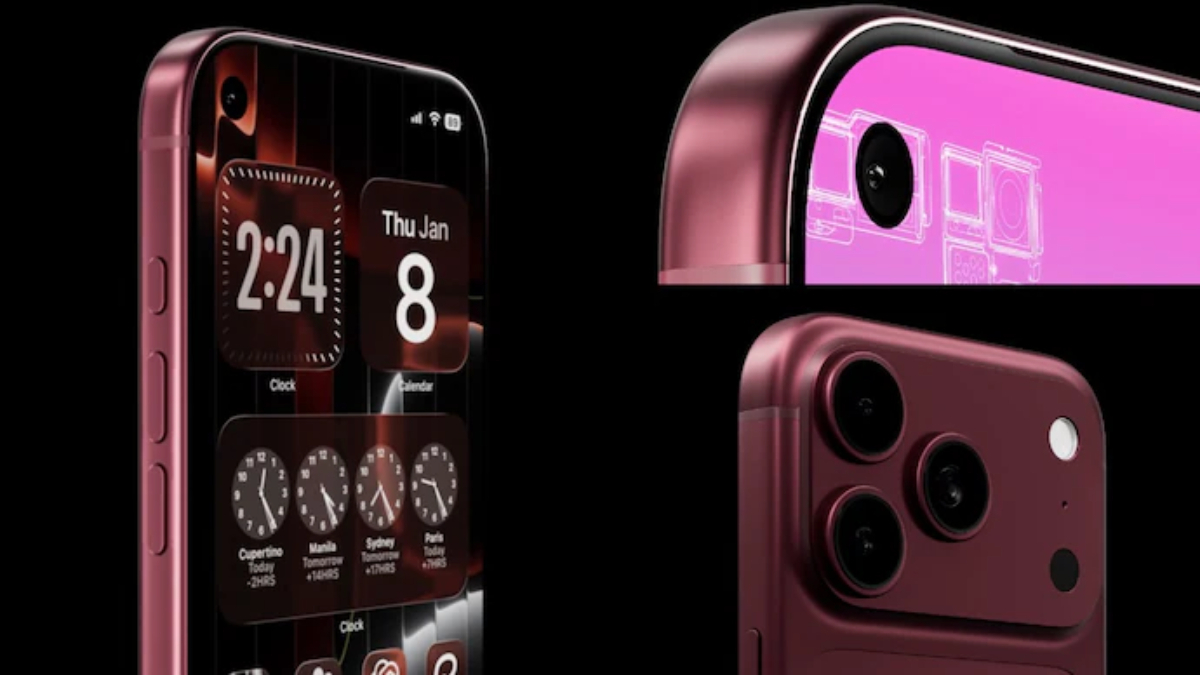
New Delhi, April 24, 2026: As we settle into the spring of 2026, the tech world’s attention is beginning to drift toward the horizon of September. For smartphone enthusiasts, this means one thing: the annual anticipation for Apple’s next flagship lineup. While the design language of the iPhone has reached a refined maturity, the internal technology—specifically the camera system—remains the battleground for true innovation.
Recent leaks regarding the upcoming iPhone 18 Pro have sent a wave of excitement through the photography community. Rumors from reliable industry sources, including recent sightings of dummy units and supply chain reports, suggest that Apple is planning two major hardware-level camera upgrades. These aren’t just incremental software tweaks; they represent a fundamental shift in how the iPhone interacts with light and captures the world.
1. The Game Changer: A Physical Variable Aperture
Perhaps the most significant rumored upgrade for the iPhone 18 Pro is the inclusion of a variable aperture for the main 48MP camera.
For years, smartphone cameras have been physically “locked.” They utilize a fixed aperture—the opening through which light enters the lens—which is usually set wide to capture as much light as possible. While this is excellent for low-light shots, it lacks the flexibility of traditional DSLR or mirrorless cameras. Currently, if an iPhone struggles with overexposure in harsh, direct sunlight, the phone relies entirely on software processing to “fix” the image after it has been captured.
What Does Variable Aperture Mean for You?
A variable aperture introduces a mechanical iris, similar to the human eye, that can physically expand or contract. This change offers two massive benefits for the end user:
- Mastery Over Light: In bright, high-contrast environments—like a beach at noon or snowy landscapes—the camera will be able to physically restrict the amount of light entering the sensor. This reduces the need for the camera’s software to aggressively “patch” the image, potentially resulting in sharper, more natural-looking photos with better dynamic range.
- True Optical Bokeh: Currently, when you use “Portrait Mode,” the blurry background (bokeh) is simulated by the phone’s processor. While Apple’s AI is impressive, it can sometimes struggle with fine details like hair or glasses. A variable aperture allows the lens to physically change the depth of field. By opening the aperture, you can achieve a natural, creamy background blur that is created by the physics of the lens, not by a computer chip.
This brings the iPhone closer to the “professional” experience than ever before, allowing users to make creative choices about their depth of field before they even tap the shutter button.
2. Speed and Precision: The New Stacked Image Sensor
While the variable aperture handles the light, the second rumored upgrade handles the data. Apple is reportedly testing a new three-layer stacked image sensor, a piece of technology that is expected to drastically improve how the camera processes information.
Why Stacking Matters
Traditional sensors are single-layer, which can create a bottleneck when capturing high-resolution data quickly. A stacked sensor separates the photodiode layer from the logic circuits, allowing for a much faster readout speed. For the average user, this translates into three key improvements:
- Zero Shutter Lag: One of the most common frustrations in mobile photography is “shutter lag”—that slight delay between pressing the button and the photo being taken. A stacked sensor processes images much faster, meaning you are far less likely to miss the “perfect moment” when photographing moving subjects, children, or pets.
- Superior Low-Light Performance: By processing light data more efficiently, the sensor can produce cleaner, lower-noise images in dimly lit environments. This means better nighttime shots, clearer indoor photos, and a reduction in the “graininess” that often plagues nighttime photography.
- Enhanced Dynamic Range: Because the sensor can read data faster, it can capture multiple exposures in rapid succession with greater precision. This helps the camera balance extremely bright highlights (like a sunset sky) and deep shadows (like a person standing in the shade) in the same frame, providing a more balanced, true-to-life image.
Physical Design: The “Thicker” Reality
If these internal upgrades are coming, there’s a physical price to pay. Recently, high-resolution images of dummy units for the iPhone 18 Pro and Pro Max have surfaced, revealing a subtle but noticeable design change.
The camera plateau—the square “bump” on the back of the phone—appears slightly thicker, and the individual lenses seem to protrude further than those on the current iPhone 17 Pro. While some may lament the loss of a perfectly flush back, the consensus among photographers is clear: if the extra thickness is the trade-off for a larger, more sophisticated sensor and a mechanical variable aperture, it is a compromise most users will happily accept.
Looking Ahead: The “Pro” Evolution
It is important to note that Apple has not officially confirmed these specifications. However, the consistency of these reports from multiple industry analysts points toward a clear strategy. Apple is moving away from the “megapixel race” and toward “optical excellence.”
For years, we have seen smartphones rely on heavy-handed AI and computational photography to compensate for small hardware. With the iPhone 18 Pro, it feels like Apple is attempting to bridge the gap between pocket-sized convenience and professional-grade capability.
By combining the physical control of a variable aperture with the lightning-fast data processing of a stacked sensor, the iPhone 18 Pro is shaping up to be more than just a faster phone. It is positioning itself as a serious tool for creators who demand control, consistency, and professional quality in their pocket.
As we inch closer to September 2026, the question is no longer just about which phone is faster—it’s about which camera will let you capture the world exactly as you see it. With these rumored upgrades, Apple might just be about to provide the best answer yet.