

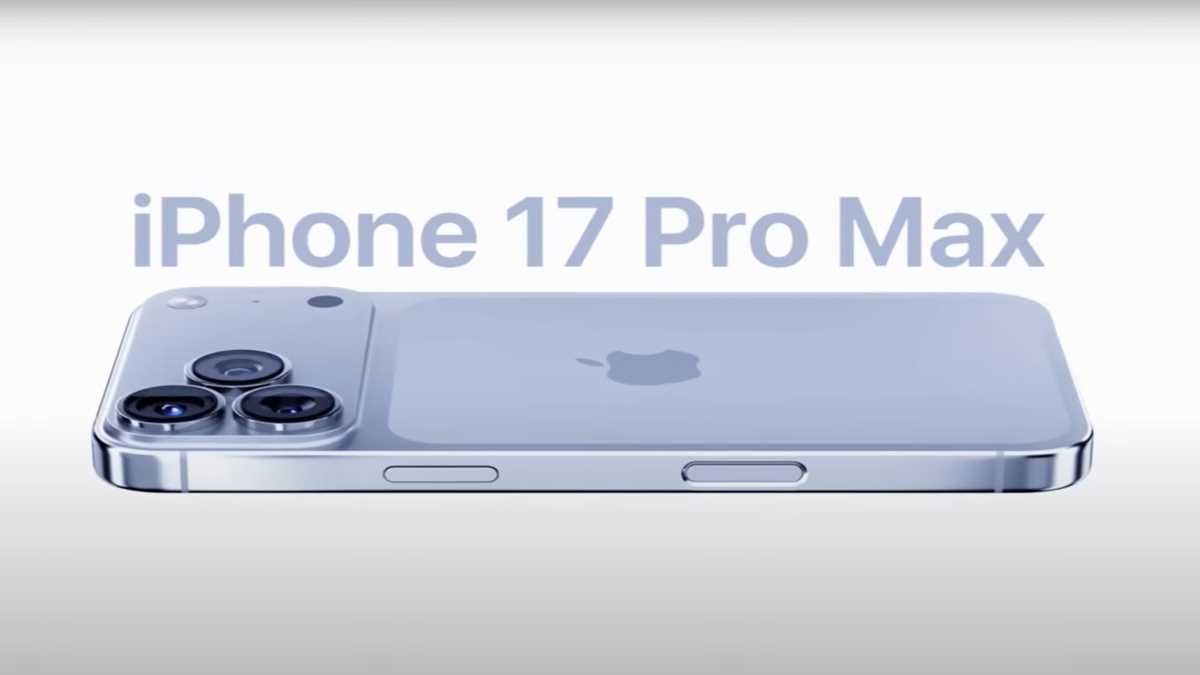
New Delhi, June 2, 2026: The rumor mill surrounding Apple’s highly anticipated entry into the foldable smartphone market has shifted into overdrive. As the tech giant prepares for its traditional autumn hardware refresh, new leaks from highly reliable supply-chain insiders have shed light on what to expect from the premium device, widely rumored to be named the iPhone Ultra.
According to the latest information emerging from tech tipsters on Weibo, the iPhone Ultra is tipped to arrive in a minimalist white colourway. More importantly under the hood, Apple is reportedly defying the engineering limitations of an ultra-thin foldable chassis by integrating a sophisticated Vapor Chamber (VC) cooling system to manage the intense thermal demands of its next-generation silicon.
A Classic, Premium Aesthetic: The Return of All-White
For its first-ever foray into flexible displays, Apple is expected to adopt a conservative, ultra-premium color strategy reminiscent of the iconic iPhone X launch. Renowned industry tipster Ice Universe recently shared a purported image of a dummy unit displaying the iPhone Ultra in a clean, polished white finish. Following up on this leak, fellow insider Instant Digital noted that white is currently the only “confirmed” colorway passing through production channels.
While supply chain sources suggest Apple has actively tested a moody, indigo-blue alternative—similar to the Deep Blue hue found on the iPhone 17 Pro line—the initial launch lineup will likely remain incredibly streamlined. Bloomberg’s Mark Gurman has previously noted that Apple plans to steer completely clear of vibrant or “fun” colors for this tier, relying instead on sophisticated tones like silver/white and space gray.
Limiting the color choices isn’t just an aesthetic preference; it is a tactical business decision. Industry analyst Ming-Chi Kuo has repeatedly warned that the manufacturing yields for Apple’s complex folding hinge and dual-glass sandwich design are incredibly tight. Keeping the color combinations minimal helps streamline an already volatile assembly process, reducing overhead costs for a device that is expected to retail at a staggering starting price of roughly $2,000.
Vapor Chamber Cooling: Defying the Physics of Thinness
While a new coat of paint is visually exciting, the most significant revelation involves the device’s internal cooling architecture. Tipster Fixed Focus Digital revealed that Apple is equipping the iPhone Ultra with heavy-duty Vapor Chamber cooling.
To appreciate why this is a massive engineering feat, one must look at the rumored physical dimensions of the device. The iPhone Ultra is tipped to feature an astonishingly slim 4.5mm profile when unfolded (and roughly 11mm when closed). For context, foldable phones are notoriously difficult to keep cool because the motherboard and battery cells are split across two distinct halves connected by a mechanical hinge. Usually, an ultra-thin chassis forces manufacturers to sacrifice thermal performance, but Apple is reportedly “going all out” with its thermal engineering.
How the Vapor Chamber System Works
Unlike the standard graphite thermal sheets used in base-model iPhones, a vapor chamber relies on rapid liquid-to-gas phase changes to pull heat away from critical components.
- The Heat Source: The phone’s main processor (expected to be the cutting-edge A20 chip) generates intense heat during heavy workloads like 4K video recording, AAA gaming, or localized Apple Intelligence AI processing.
- Evaporation: Directly above the processor sits a sealed, flat metal plate containing a trace amount of deionized water under vacuum pressure. The intense heat causes this water to instantly flash-boil into vapor.
- Dissipation: The hot vapor rapidly expands and rushes to the cooler edges of the chamber, spreading the heat energy across a massive surface area of the device’s aluminum-and-titanium frame.
- Condensation & Return: As the vapor cools at the outer edges, it condenses back into liquid. An internal copper wick structure then uses capillary action to pull the liquid back toward the processor, restarting the cycle thousands of times per second.
Apple successfully introduced this technology into its premium tier with the iPhone 17 Pro lineup, resulting in a claimed 40% increase in sustained peak performance over older thermal designs. Bringing this to a folding form factor ensures that the iPhone Ultra can handle rigorous processing tasks without aggressive thermal throttling—where a phone deliberately slows itself down to prevent melting internal components. Furthermore, maintaining a cooler internal temperature slows down the chemical degradation of the phone’s lithium-ion battery cells over time.
Embracing Design Compromises for the Perfect Fold
To balance the inclusion of a high-end vapor chamber cooling array while maintaining a razor-thin 4.5mm footprint, Apple has reportedly made several controversial hardware concessions. The rumor mill indicates that the iPhone Ultra will completely omit at least five traditional flagship staples:
By letting go of these space-consuming hardware pieces, Apple can prioritize a truly expansive viewing experience. The device is expected to sport a 5.5-inch external cover screen for seamless one-handed use, which unfurls horizontally like a book into a massive, near-square 7.8-inch inner OLED display.
Production Hurdles and the Launch Timeline
Despite rumors pointing to complications in the pre-assembly manufacturing stages—specifically regarding surface-mount technology (SMT) and strict quality control tolerances for a “crease-free” folding panel—the iPhone Ultra’s launch timeline appears steady.
DigiTimes reported that while mass production timelines slid slightly from June to a late-summer window, the overall fall release track remains unhindered. Tech enthusiasts can expect Apple to officially debut the white iPhone Ultra alongside the mainstream iPhone 18 Pro and iPhone 18 Pro Max at its flagship September keynote. However, due to constrained initial shipping volumes, industry insiders hint that the actual retail availability might stagger into October or November, turning the first-generation foldable into a highly exclusive, luxury tech commodity.