

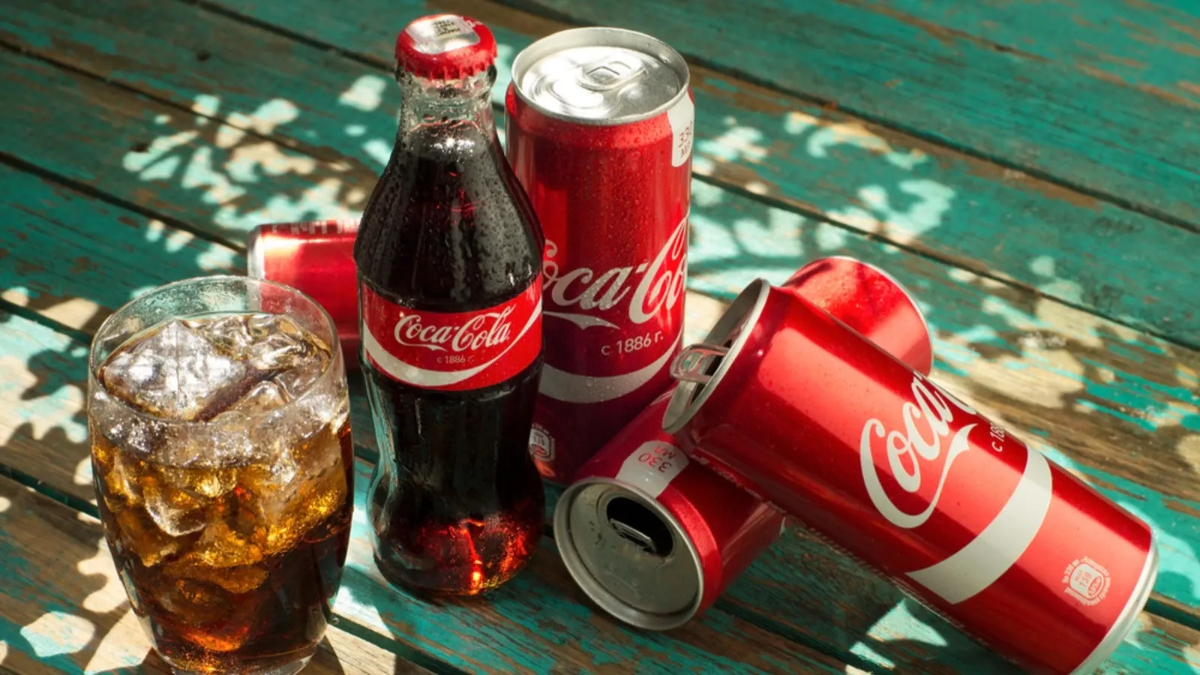
New Delhi, June 2, 2026 — Global beverage giant The Coca-Cola Company has officially announced plans to explore a massive public listing for its flagship Indian bottling operation in 2027. The Atlanta-headquartered firm is initiating early preparations for an Initial Public Offering (IPO) of Hindustan Coca-Cola Holdings Pvt. Ltd. (HCCH), the parent entity of its largest manufacturing and distribution wing in India, Hindustan Coca-Cola Beverages (HCCB). The mega-offering is slated to hit India’s premier stock exchanges, the Bombay Stock Exchange (BSE) and the National Stock Exchange (NSE), pending regulatory nods and favorable market conditions.
Unlocking a Multi-Dollar Fortune
The upcoming public float is projected to unlock incredible value for the beverage titan in what has become its fifth-largest market globally. According to institutional analysts, the listing could value the bottling juggernaut at roughly $10 billion, with the company aiming to raise approximately $1 billion from the public. This would position the block-buster debut as one of the largest consumer-sector stock listings seen in India in recent years.
As part of the transaction, Coca-Cola is looking to sell off a minor slice of its own majority shareholding. The corporate restructuring comes on the heels of a massive deal finalized in July 2025, where the Indian consumer goods powerhouse, Jubilant Bhartia Group (the operators of Domino’s Pizza in India), snapped up a 40% equity stake in HCCH for an estimated ₹11,704 crore. Following the 2027 IPO, Coca-Cola will still retain a dominant, highly influential stake in the business alongside the Bhartia family.
To ensure a seamless transition to the public markets, the multinational has tapped the global financial services firm Rothschild & Co as its primary financial adviser.
The Push for an Asset-Light Blueprint
The strategic decision to transition to a public entity aligns perfectly with Coca-Cola’s overarching global “asset-light” strategy, known colloquially as refranchising. For the past decade, the global brand has systematically divested its heavily physical, capital-intensive bottling, packaging, and logistics assets across various continental markets.
By offloading the infrastructure to local partners and public equity, Coca-Cola can direct its laser focus entirely onto high-margin brand management, secret syrup concentrate manufacturing, and widespread marketing campaigns.
The strategy has already been playing out smoothly across India. In late 2024, the beverage leader divested its localized bottling operations across regional strongholds like Rajasthan, Bihar, Northeast India, and West Bengal to independent regional franchisees—including SLMG Beverages and Moon Beverages—netting around $290 million (₹2,420 crore) in the process. This broad corporate listing of the core south-and-west business will essentially put the finishing touches on its nationwide restructuring campaign.
An Omnipresent Retail Footprint
Established back in 1997, HCCB has spent nearly three decades building an incredibly robust, integrated distribution and manufacturing footprint across the Indian subcontinent. The company directly operates 14 state-of-the-art bottling plants scattered across 10 diverse states, bolstered by partnerships with eight external co-packers.
The scale of their daily operational footprint is massive:
- Retail Reach: Serves over 1.7 million retail storefronts, from tiny neighborhood mom-and-pop shops to major supermarket chains.
- Logistics Network: Managed by an expansive web of more than 2,000 localized primary distributors.
- Headcount: Employs an internal workforce of over 5,000 staff members.
- Portfolio Diversity: Produces and distributes 37 distinct products across 8 major beverage categories. This lineup features massive global brands like Coca-Cola, Sprite, Fanta, and Minute Maid, alongside deeply rooted localized cult favorites like Thums Up (India’s leading cola brand) and the mango-based drink Maaza.
Fierce Battles in the Beverage Aisle
The calculated decision to open the gates to public investors comes at a critical time when India’s hyper-competitive ready-to-drink beverage landscape is heating up. Billionaire Mukesh Ambani’s conglomerate, Reliance Industries, has aggressively revived the legacy brand Campa Cola, triggering a fierce, highly disruptive price war in rural and urban retail markets alike.
By leveraging public market funding and deep regional alliances via the Jubilant Bhartia Group, Coca-Cola is shoring up its financial and tactical defenses to maintain its commanding position over the country’s surging middle-class consumption.
Furthermore, public market investors will not have to guess at how to value the brand when it goes public. The Indian markets already boast a highly successful blueprint for an mega-bottler: Varun Beverages Limited (VBL), the exclusive bottling partner for arch-rival PepsiCo, which went public back in 2016 and has since evolved into a multi-billion-dollar stock market darling.
With rural infrastructure expanding rapidly, cooling technologies reaching the deepest corners of the country, and disposable income rising, Coca-Cola’s 2027 IPO looks less like a simple corporate divestment and more like a high-stakes play to institutionalize its immense growth engine for the next quarter-century.