

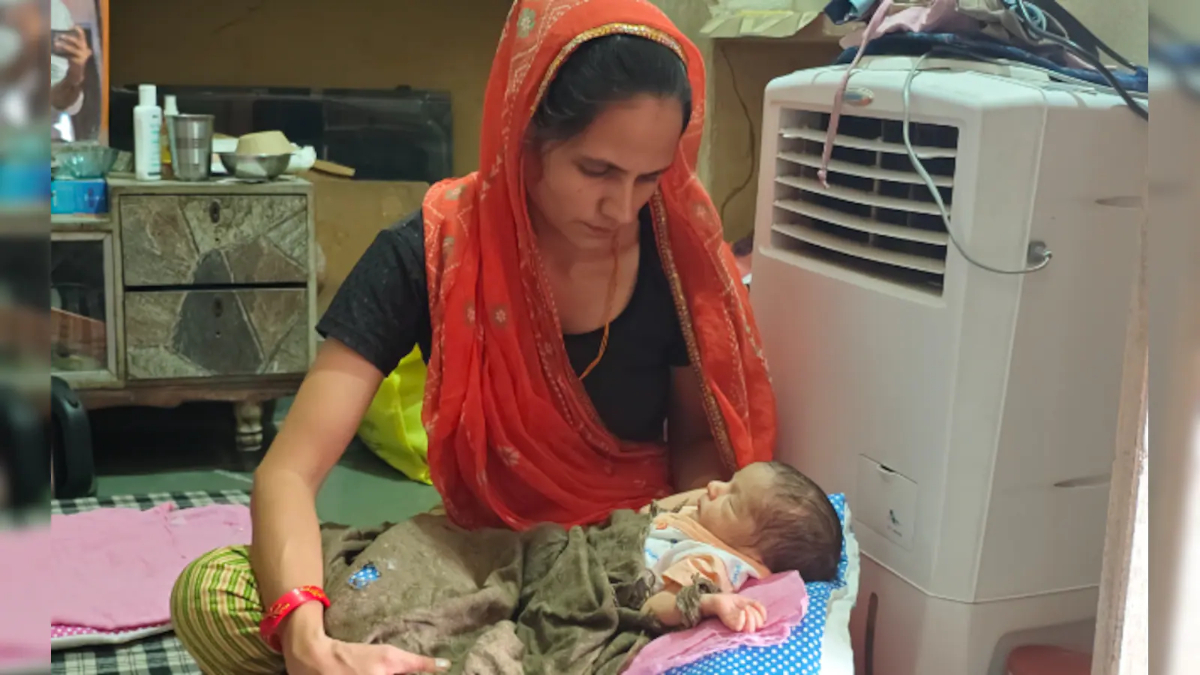
New Delhi, July 14, 2026 — A devastating healthcare crisis is unfolding in Rajasthan, leaving a trail of shattered families, motherless newborns, and urgent questions about the safety of state-run medical facilities. Over the past seventy days, at least 18 maternal deaths have been reported across government hospitals in five major districts, including Kota, Bikaner, Jodhpur, Bhilwara, and Banswara.
Behind each statistic is a heartbreaking human toll. In rural courtyards and cramped hospital corridors, toddlers and older children are asking their grieving fathers the same agonizing question: “When will Mumma return?”
A Sudden Escalation of Tragedy
The crisis has intensified over the last few weeks, marked by alarming clusters of deaths that have shocked the public.
- Bhilwara: At the Mother and Child (MCH) Wing of Mahatma Gandhi Hospital, five pregnant women lost their lives in a span of just six days after undergoing Caesarean sections.
- Banswara: Four maternal deaths were recorded within four consecutive days at the district’s main government hospital.
- Kota, Bikaner, and Jodhpur: These major hubs have been reeling from a steady rise in similar unexplained fatalities and medical complications over the last two months.
In Kota, the tragedy extends beyond those who died; at least five new mothers remain on critical dialysis support after their health deteriorated rapidly following delivery. Distraught families have gathered outside hospital gates, staging protests and demanding accountability for what they call outright medical negligence.
Systemic Failures: Fake Drugs and Contaminated OTs
As independent investigations and media probes gain traction, the narrative of “uncontrollable medical complications” is unraveling, exposing severe, systemic vulnerabilities within Rajasthan’s healthcare infrastructure.
1. The Threat of Substandard and Fake Drugs
A central focus of the ongoing probe is the potential use of substandard or contaminated labor-inducing drugs, such as oxytocin. Concerns have been raised regarding delayed drug testing results. Out of multiple medicine samples collected from state facilities for testing, only a fraction have been processed so far. Allegations of lobbying by pharmaceutical companies in government drug procurement have further fueled public anger.
2. Severe Infection and Lack of Sterilization
In Bhilwara, microbiological culture tests reportedly detected bacterial contamination in one of the hospital’s primary operation theatres (OTs). Shockingly, allegations surfaced that the hospital continued to perform Caesarean surgeries despite the contamination reports. Insiders reveal a massive mismatch in resources: the facility conducts 30 to 40 C-sections daily but operates with only five surgical instrument sets, leaving virtually no time for proper sterilization between surgeries.
Understanding the Maternal Mortality Landscape in Rajasthan
To put the current crisis into perspective, Rajasthan has historically struggled with maternal health, though recent years had shown signs of gradual progress.
Despite the downward trend in annual numbers, Rajasthan’s Maternal Mortality Ratio (MMR) remains at 87 per 100,000 live births (according to the SRS Special Bulletin)—a figure that is still significantly higher than the national average and far from the United Nations Sustainable Development Goals (SDG) targets.
The Political and Administrative Fallout
The sudden spike in maternal deaths has triggered sharp political reactions and put the state government on the defensive. Former Chief Minister Ashok Gehlot has demanded a high-level, independent probe into the deaths, accusing the current administration of gross negligence and hospital apathy.
In response, Rajasthan Health Minister Gajendra Singh Khimsar convened a high-level review meeting with top gynecologists, medical college principals, and hospital superintendents to investigate the root causes.
However, the government’s initial response drew heavy criticism. The Health Minister initially attributed some of the deaths to “extreme weather conditions” and the “pre-existing critical health” of the patients who were referred from rural areas at the last minute.
In a recent press briefing, Khimsar sought to put the numbers in perspective, defending the state’s record.
Public health experts have criticized this defense, pointing out that utilizing statistical averages to normalize a sudden, localized cluster of deaths—potentially caused by contaminated theatres or fake drugs—avoids addressing the immediate, preventable failures of the system.
The Road Ahead: Restoring Trust in Maternal Care
For Rajasthan’s rural poor, government hospitals are the only lifeline. When these institutions become places of risk rather than healing, the entire public healthcare system loses its credibility.
To prevent further loss of life, health advocates argue that the state must immediately implement:
- Stricter Drug Quality Control: Fast-tracking chemical and microbiological testing of all government-procured drugs, particularly life-saving obstetric medicines.
- Rigorous OT Audits: Mandating independent, third-party sterilization audits of all operating rooms across district hospitals.
- Upgraded Infrastructure: Increasing the availability of surgical equipment and staffing in high-load facilities like Bhilwara’s Mahatma Gandhi Hospital to match the daily surgical volume.
Until these systemic changes are made, the tragic questions of motherless children will continue to echo across Rajasthan, serving as a grim reminder of a healthcare system that failed them when they needed it most.