
)
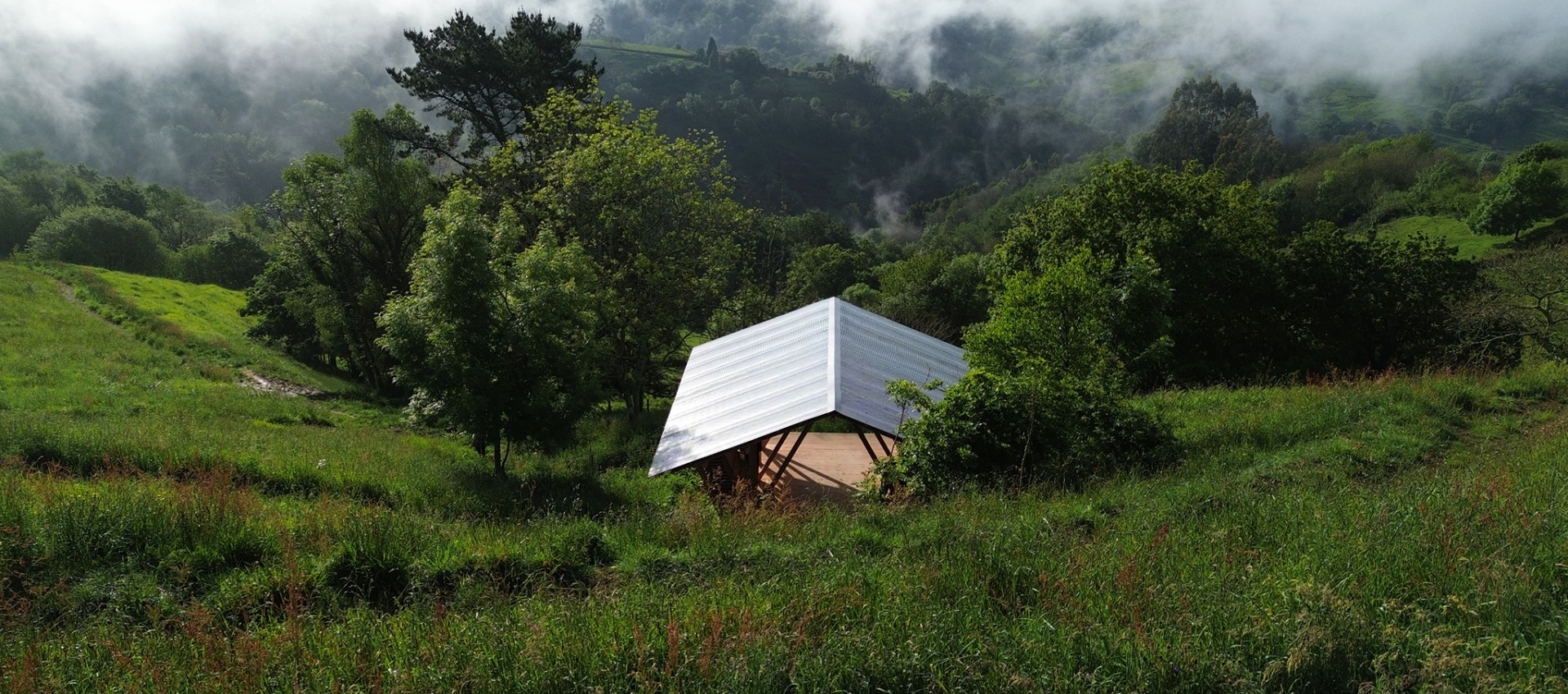
New Delhi, March 19, 2026: In an era where the divide between urban living and the natural world feels increasingly vast, the Taller Agropoético (Agropoetic Workshop) emerges as a profound architectural statement on reconnection. Designed through a collaborative effort between Foresta Collective and Atelier Poem, this project serves as a physical manifesto for sustainable living, community engagement, and the “poetry” of the land.
Located in a landscape that demands respect and sensitivity, the Taller Agropoético is not merely a building; it is a functional tool for ecological education and a sanctuary for those looking to rediscover the rhythms of the earth.
A Vision of “Agropoetics”
The term “Agropoetic” suggests a synthesis of the pragmatic—agriculture—and the lyrical—poetry. The project was born from the desire to create a space where the labor of growing food and maintaining the environment is elevated to a cultural act.
Foresta Collective and Atelier Poem approached the design with a shared philosophy: architecture should facilitate a dialogue between the inhabitant and the habitat. Instead of imposing a rigid structure onto the site, the collective aimed to create a modular, breathable space that feels like an extension of the soil.
Design Philosophy and Materiality
The aesthetic of the Taller Agropoético is defined by honesty and minimalism. The designers prioritized low-impact materials and traditional building techniques, reimagined through a modern lens.
- Timber Framework: The use of wood provides a warm, organic skeleton for the structure, ensuring that it can eventually return to the earth without leaving a permanent scar.
- Permeability: The design emphasizes “openness.” Large apertures and semi-transparent surfaces allow natural light to filter through, mimicking the dappled shade of a forest canopy.
- Modularity: Recognizing that community needs evolve, the structure is designed to be adaptable. It can serve as a classroom, a greenhouse, a storage facility for seeds, or a communal kitchen.
“The Taller Agropoético is a space where the act of planting a seed is treated with the same reverence as the act of building a home.”
Sustainable Integration
Sustainability is baked into the very DNA of the project. It isn’t just about “green” materials; it’s about a circular lifestyle. The workshop incorporates several ecological features:
- Water Management: Systems designed to harvest rainwater ensure that the surrounding crops remain hydrated without straining local resources.
- Passive Cooling: By utilizing natural cross-ventilation, the building remains comfortable even in peak summer months, eliminating the need for energy-heavy air conditioning.
- Soil Health: The footprint of the building is minimized to ensure that the “living skin” of the earth remains undisturbed and productive.
A Hub for Collective Action
Beyond the wood and glass, the Taller Agropoético is a social engine. It is designed to host workshops on permaculture, bio-construction, and local gastronomy. By providing a physical headquarters for these activities, Foresta Collective and Atelier Poem have created a beacon for activists, farmers, and artists alike.
The project stands as a reminder that the solution to our modern ecological crises may not lie in complex technology, but in a return to simpler, more poetic ways of inhabiting the world. It proves that when we build with the earth—rather than simply on top of it—we create spaces that nourish both the body and the soul.
Looking Ahead
As the vegetation around the Taller Agropoético grows and matures, the building will slowly disappear into the landscape, achieving its ultimate goal: total harmony with the environment. It serves as a blueprint for future rural developments, proving that architecture can be a healing force in the 21st century.