

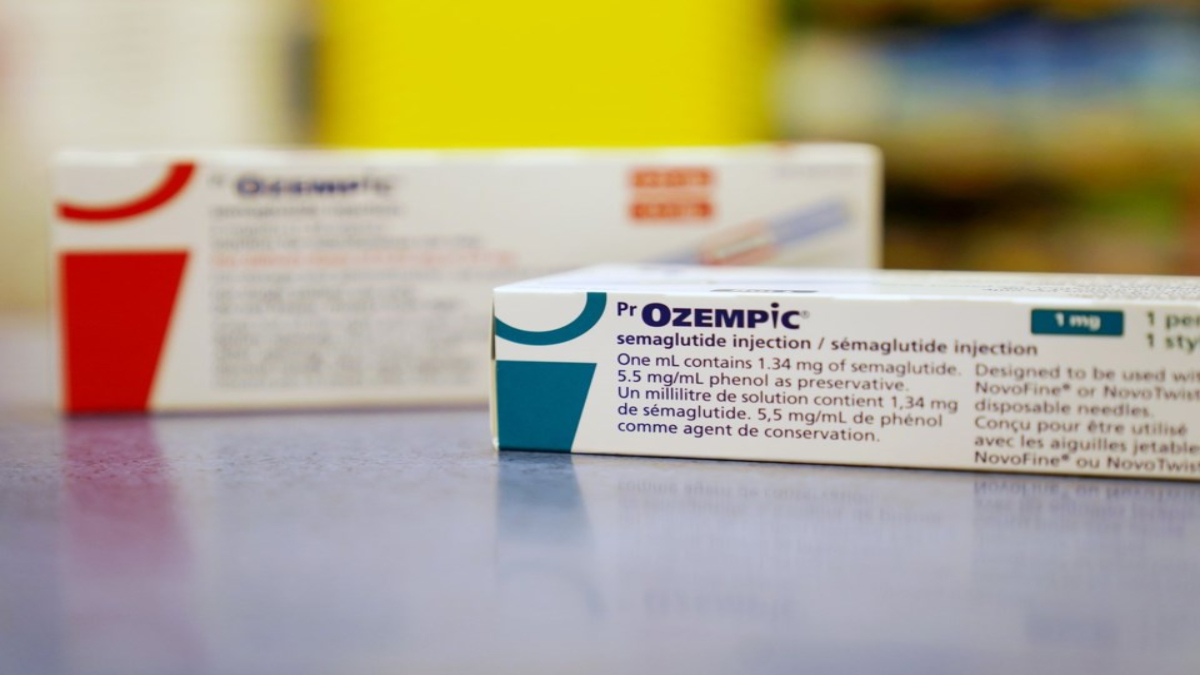
April 29, 2026: In a major development for healthcare access and the pharmaceutical landscape, Health Canada has officially approved the first generic version of semaglutide—the active ingredient in the blockbuster diabetes medication, Ozempic. The approval, announced on April 28, 2026, marks a historic milestone, making Canada the first G7 nation to authorize a generic alternative to the widely used drug.
The new generic semaglutide injection is manufactured by Dr. Reddy’s Laboratories, an India-based pharmaceutical company. While Novo Nordisk’s brand-name Ozempic has dominated the market for years, this regulatory green light opens the door to increased competition, potentially lower costs, and broader access for patients managing Type 2 diabetes.
How Did This Happen?
For many, the speed of this approval may come as a surprise. In the United States and many other parts of the world, Novo Nordisk holds strong, long-term patent protections for semaglutide that prevent generic entry for years to come.
Canada, however, occupies a unique position. The path for generic competition was cleared earlier this year due to a specific administrative complication regarding Canadian patent maintenance fees for the drug. Because of this lapse in protection, Canada became one of the few global markets where the patent exclusivity for semaglutide expired prematurely.
Health Canada noted that this approval is the first of several, with at least eight other applications for generic semaglutide currently under review by the regulator.
Why This Matters for Patients
For the millions of Canadians living with Type 2 diabetes, the high cost of brand-name medications like Ozempic—often running into hundreds of dollars per month—has long been a significant barrier to care.
Generic medications are generally designed to be more affordable, with price reductions typically ranging from 45% to 90% compared to brand-name versions, depending on the number of competitors in the market. According to the pricing structure overseen by the pan-Canadian Pharmaceutical Alliance (pCPA), the introduction of even a single generic competitor is expected to lower costs, with deeper discounts anticipated as more manufacturers enter the space.
Beyond diabetes management, the approval is likely to be felt across the healthcare landscape. While Ozempic is officially indicated for Type 2 diabetes, it has been widely prescribed off-label for weight management. Increased affordability may change the conversation around how these medications are accessed and covered by provincial health plans and private insurance.
Safety and Efficacy
A common question surrounding generic drugs is whether they are “as good” as the brand-name original. Health Canada has been clear on this: the generic semaglutide approved by Dr. Reddy’s is a complex synthetic product that is pharmaceutically equivalent to the brand-name biologic drug.
“Health Canada’s review ensures that differences between these products do not affect the safety, efficacy, or quality of the drug,” the agency stated in its release. Patients can expect the generic version to function in the body in the same way as the brand-name product, maintaining the same standards for blood sugar management.
The Bigger Picture: Rising GLP-1 Competition
The arrival of generic semaglutide in Canada is not happening in a vacuum. The global market for GLP-1 receptor agonists—the class of drugs that includes Ozempic and Wegovy—is currently one of the most competitive in the pharmaceutical industry.
Novo Nordisk is facing immense pressure, not only from the prospect of generics in Canada but also from fierce competition from rival manufacturers like Eli Lilly. Lilly’s own GLP-1 drugs, Mounjaro and Zepbound, have gained significant market share by demonstrating high efficacy in both diabetes and weight-loss treatments.
As generic versions of semaglutide begin to hit the Canadian market, experts suggest the dynamics could change rapidly:
- Price Wars: As more generic options are approved, the price of semaglutide in Canada is expected to drop significantly. Projections suggest that once three or more generics are available, the cost could fall to roughly 35% of the original brand-name price.
- A “Test Case” for Global Markets: Investors and regulators worldwide are watching Canada closely. As an early adopter of generic GLP-1s, Canada is effectively serving as a test case for how generic manufacturers can compete against well-established blockbuster brands.
- Wait and See: While approval has been granted, patients should not expect to see the new drug on pharmacy shelves immediately. Manufacturing, supply chain logistics, and distribution will take time to ramp up. Industry observers anticipate the generic market will begin to take tangible shape in the latter half of 2026.
What Should Patients Do?
For those currently taking Ozempic, it is important to consult with a primary care provider or pharmacist before making any changes.
While the prospect of a cheaper medication is promising, medical experts advise that patients remain under the guidance of their healthcare team to ensure a smooth transition. Pharmacists will play a critical role in educating patients about the availability of the generic version once it reaches their local pharmacy and explaining how it may integrate with existing private or provincial drug insurance plans.
As Canada moves into this new chapter of diabetes care, the focus remains on balancing innovation with accessibility—ensuring that the latest medical advancements reach the people who need them most, at a price they can afford.