

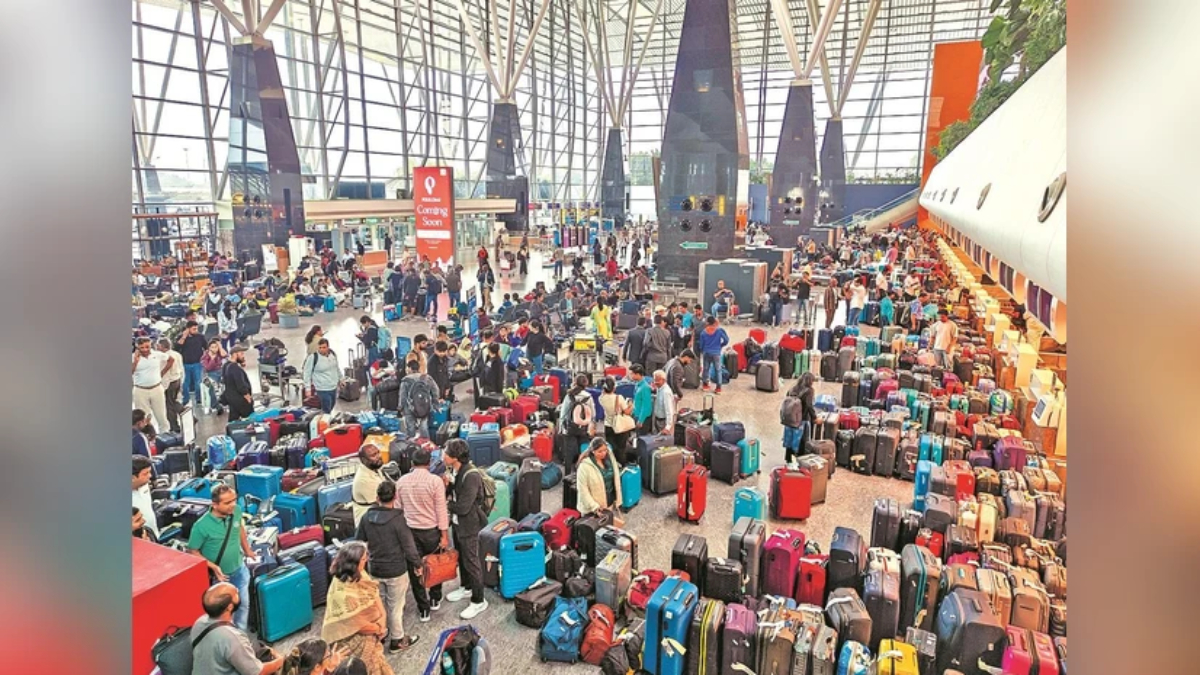
New Delhi, December 08, 2025: India’s largest airline, IndiGo, is grappling with an unprecedented operational collapse, with more than 4,500 flights cancelled in just seven days. This massive disruption has crippled air travel across the country, leaving thousands of passengers stranded, terminals overcrowded, and throwing flight schedules into chaos during a peak travel season.
The Root Cause: New Pilot Rest Rules
The core of the crisis stems from the airline’s failure to adequately prepare for new, stricter crew rest and duty regulations, officially known as the Flight Duty Time Limitation (FDTL) norms. These rules, mandated by the Directorate General of Civil Aviation (DGCA) to enhance safety and combat pilot fatigue, required significant changes:
- Increased Weekly Rest: The mandatory weekly rest period for pilots was increased from 36 to 48 hours.
- Night Flight Limits: Strict new limits were placed on night-time operations and the number of night landings a pilot can perform.
While other airlines adjusted their crew rosters in time for the new rules, which were implemented in phases, IndiGo’s business model—which relies on high utilisation of its aircraft and crew—was hit hard. Officials and pilot associations allege that the airline was caught unprepared, resulting in a sudden, severe shortage of available pilots and a total breakdown in its schedule planning.
Widespread Impact and Passenger Distress
The consequences for travellers have been severe. Airports in major cities like Delhi, Mumbai, Bengaluru, and Chennai have seen hundreds of daily cancellations, with reports of:
- Skyrocketing Fares: Last-minute airfares on alternative carriers surged by as much as ten times on busy routes, as supply could not meet the sudden demand.
- Airport Chaos: Stranded passengers, long queues, and confusion dominated terminal areas, with many complaining about a lack of communication and poor assistance from the airline.
- Baggage Issues: Reports emerged of unclaimed and misplaced baggage lining airport halls, adding to the frustration.
Government and Regulatory Action
The scale of the crisis has forced swift intervention from the government and aviation regulators:
- Show Cause Notice: The DGCA issued a show-cause notice to IndiGo’s CEO, Pieter Elbers, demanding an explanation for the operational lapses and holding the top management directly accountable.
- Refund Orders: The Ministry of Civil Aviation ordered IndiGo to process automatic, full refunds for all affected flights without delay and to waive all rescheduling fees.
- Fare Caps: To prevent price gouging, the government imposed temporary fare caps on domestic air routes, setting a maximum limit on ticket prices.
- Temporary Relief: The DGCA has granted IndiGo temporary, limited exemptions from some FDTL provisions to help the airline stabilise its operations.
The airline has publicly apologised for the severe inconvenience, attributing the chaos to “misjudgement and planning gaps.” While IndiGo claims its operations are gradually stabilising and that most of its network is functional, full recovery is expected to take time. The government has ordered a high-level probe to investigate the planning failures and fix accountability.
The crisis serves as a stark reminder of the delicate balance between commercial efficiency and regulatory safety, and the vulnerability of the national aviation network when a market leader stumbles.