

New Delhi, March 18, 2026 – The Peenya Industrial Area, one of Southeast Asia’s largest manufacturing hubs, is currently grappling with a dual crisis that threatens to derail its recovery and global standing. A combination of escalating geopolitical tensions in West Asia and a domestic shortage of commercial Liquefied Petroleum Gas (LPG) has left micro, small, and medium enterprises (MSMEs) struggling to meet international commitments.
The ripple effects are being felt far beyond Karnataka, as global automotive giants like Volvo, Stellantis, and Magneti Marelli face potential assembly line shutdowns due to delayed components from Bengaluru.
The Shipping Bottleneck: Lead Times Double
The ongoing maritime instability in West Asia has forced shipping lines to take longer, more circuitous routes to Europe. For manufacturers in Peenya, this has translated into a logistical nightmare.
Previously, shipping automotive components to European markets took approximately 33 to 35 days. Under the current circumstances, that window has stretched to nearly 60 days. This doubling of “lead time”—the duration between an order being placed and the final product being delivered—is causing an acute shortage of parts at the customer end.
“Our estimated time of arrival (ETA) for key European clients is being pushed back by two to three weeks,” a representative from a precision manufacturing firm told local reporters. With 40-foot containers carrying upwards of 20 tonnes of cargo sitting idle on factory floors, the financial stakes are astronomical. Global Original Equipment Manufacturers (OEMs) often impose heavy penalties for production delays; a two-hour stoppage at a European assembly line could result in a fine as high as ₹45 lakh for the local supplier.
Fuel Crisis: LPG Shortage Halts Production
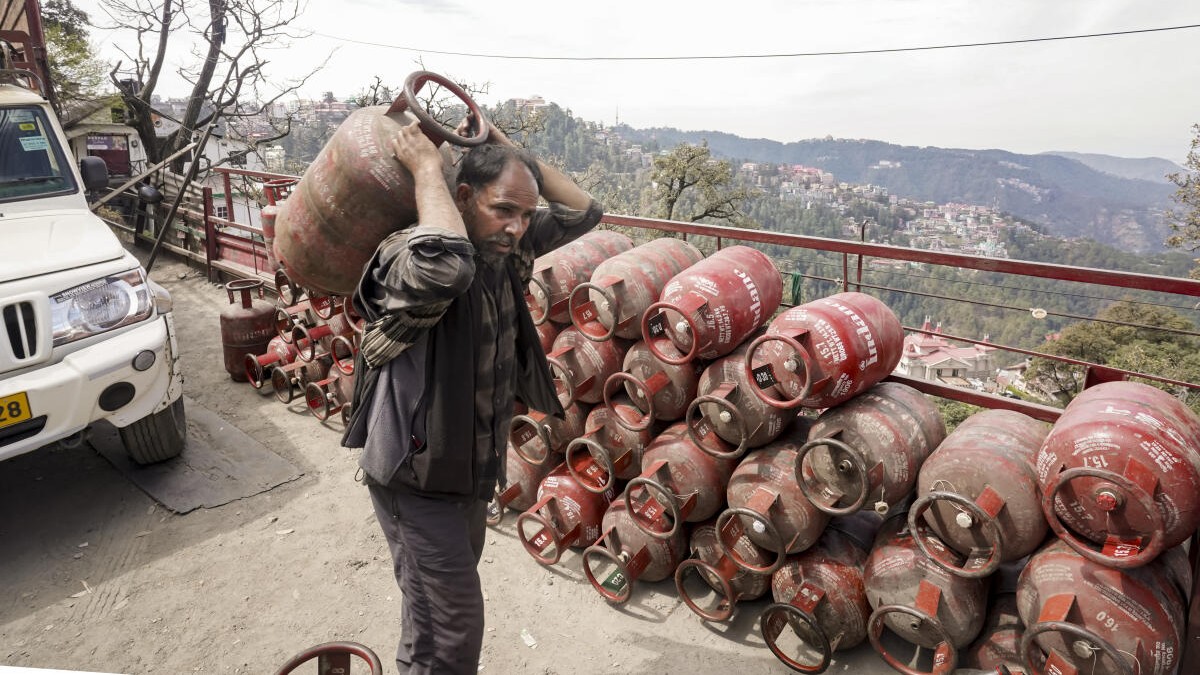
While the shipping crisis hits the back end of the supply chain, a severe shortage of commercial LPG is paralyzing the production floor.
Heat-treatment plants—critical facilities used to harden metal components—have been forced to shut down their furnaces. Without this essential process, further machining of automotive parts is impossible. Many small units have reported that their suppliers are refusing to take in new batches because they lack the fuel to operate.
The shortage is even extending to the welfare of the industrial workforce. Several units that provide canteen facilities for hundreds of workers are running out of fuel to cook meals, adding a human dimension to the operational crisis.
A Threat to Global Supply Chains
Peenya is a vital cog in the global automotive machinery. Units here produce high-precision components for brands including Jeep, Fiat, Maserati, and UD Trucks. The current backlog means that tonnes of cargo intended for weekly or bi-weekly exports are currently stagnant.
Industry leaders in the area expressed a sense of helplessness, noting that global OEMs rarely accept “force majeure” justifications such as local gas shortages or regional shipping conflicts. The MSMEs are often forced to absorb the rising costs of freight and the burden of contractual penalties, putting many smaller units at risk of permanent closure.
Calls for Intervention
As the crisis deepens, entrepreneurs in Peenya are looking toward the government for intervention, particularly regarding the stabilization of LPG supplies and support in navigating the increased costs of international trade.
Without immediate relief, the reputation of Bengaluru as a reliable global manufacturing partner stands at a crossroads, as the “Silicon Valley of India” struggles to keep its industrial heart beating amidst global and local turbulence.