

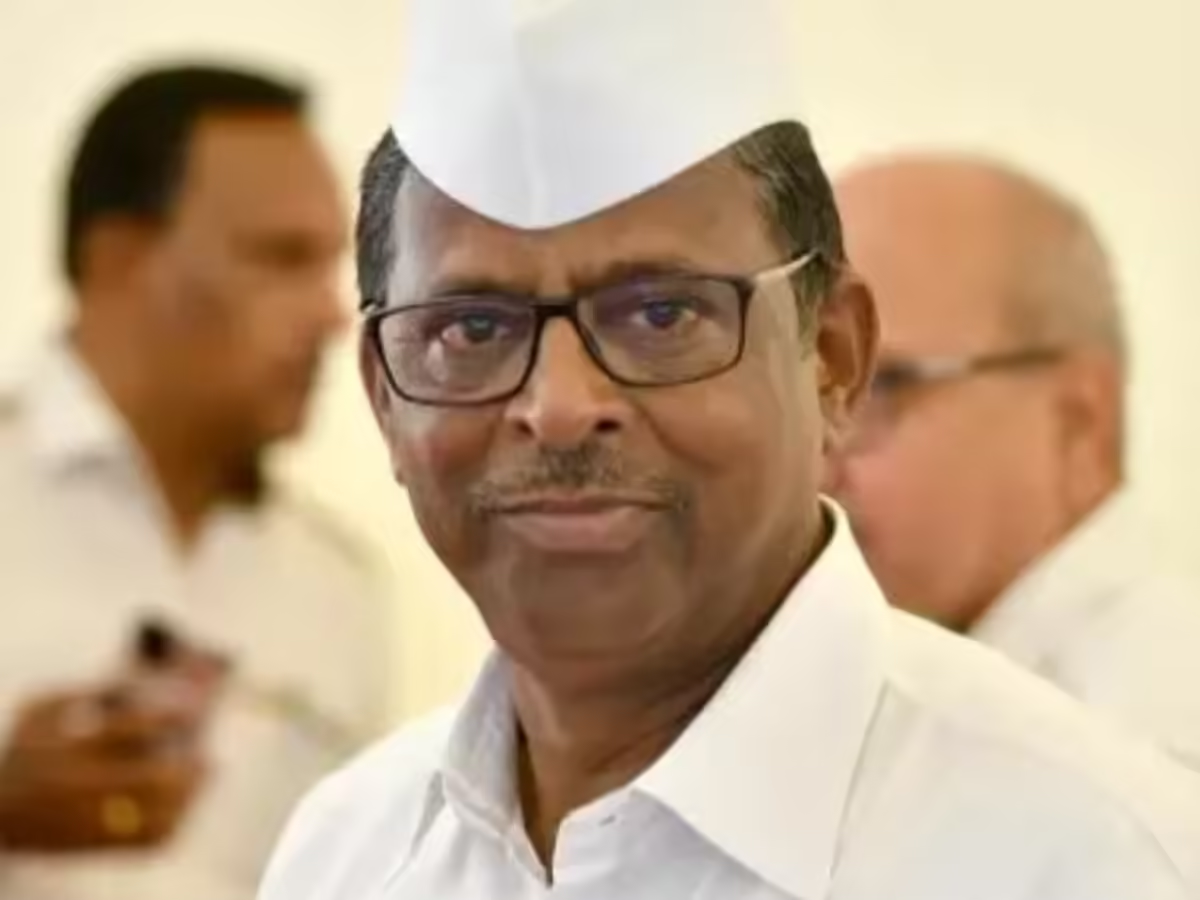
New Delhi, March 27, 2026: A significant wave of political turbulence and digital outrage has been triggered across Maharashtra following the emergence of a contentious video involving a senior state leader. In the footage, which gained massive traction on March 26, 2026, Deputy Speaker and NCP leader Narhari Zirwal was observed in a private setting with a transperson. It is noted that the nature of the interaction has been interpreted by opposition parties as a breach of “public decorum” and “ministerial dignity.” This startlingly public fallout has been widely shared as a primary example of how personal conduct can quickly become a tool for political confrontation.
The Mechanics of the Viral Scandal
The specifics of the incident were meticulously highlighted by opposition leaders who claimed the video reflects a lapse in the moral standards expected from high-ranking officials. It is reported by several digital observers that the clip appears to have been recorded clandestinely and leaked to social media platforms to cause maximum embarrassment. It is observed in the viral reports that the footage has been used to question the integrity of the ruling alliance, with critics demanding an immediate probe into the circumstances of the meeting. The visual of the minister in an informal capacity has provided a grounding narrative for the thousands of polarized comments currently dominating the state’s political discourse.
Also Read: Why Older Men Pursue Far Younger Women
Congress Demands Immediate Accountability
A massive conversation regarding “ethics in governance” has been ignited by the swift and sharp reaction from the Maharashtra Congress. Following the widespread circulation of the video, a formal demand for Narhari Zirwal’s sacking was issued by senior Congress leaders on March 27, 2026. It is frequently mentioned by the opposition that a person holding such a constitutional post should be “above suspicion” and must adhere to a strict code of conduct. Thousands of analytical comments have been left by party workers who argued that the minister’s presence in the video has “tarnished the image” of the Maharashtra Legislative Assembly.
Impact on the 2026 State Political Climate
The impact of this viral event has extended beyond a single video to influence a broader discussion on the 2026 “Value-Based Politics” movement in India. It is observed by political analysts that with state elections approaching, personal scandals are being increasingly utilized to shift the narrative away from developmental issues. A renewed sense of scrutiny is being observed toward the private lives of public servants and the right to privacy versus the public’s right to know. It is believed that the viral nature of this specific “Zirwal Video” will prompt a dialogue on the necessity of a formal “Code of Ethics” for all elected representatives in the state.
A Stark Reminder of Digital Vulnerability
As the footage continues to accumulate shares and intense debate in late March 2026, it serves as a powerful and resilient reminder that in the age of smartphones, no moment is truly private. It is believed that the account of the “Zirwal Controversy” will remain a primary highlight of the month’s most discussed and socially sensitive political news features. The legacy of this viral event is expected to be a heightened public awareness regarding the intersection of personal freedom and political responsibility. Until a formal statement is issued by the Chief Minister’s office, this story remains a stark testament to the fact that a single video can threaten even the most established political careers.