

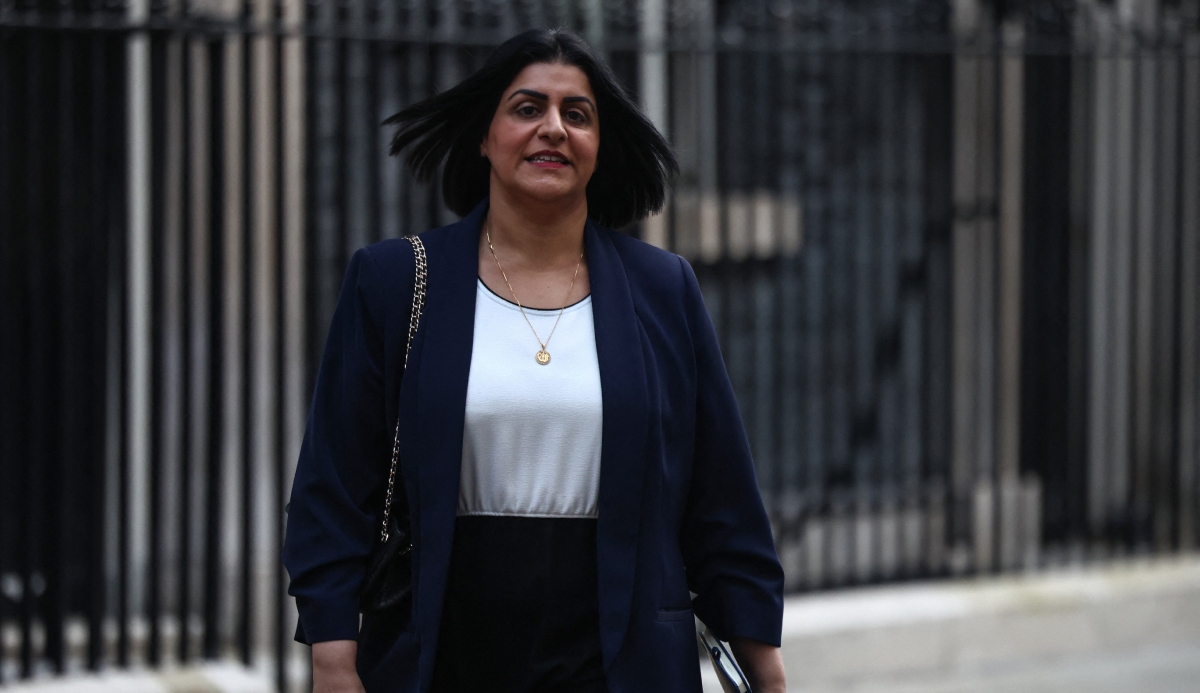
In the fast-shifting sands of British politics, the name Shabana Mahmood has moved from the corridors of the Home Office to the center of leadership speculation. As Prime Minister Keir Starmer faces a mounting crisis—fueled by internal resignations and the political fallout of the “Epstein files” controversy—Mahmood has emerged as a formidable contender to lead the Labour Party and the nation.
If she were to succeed Starmer, the 45-year-old barrister would make history as the United Kingdom’s first Muslim Prime Minister and the first of Kashmiri descent to hold the highest office in the land.
A Journey from Birmingham to the Front Bench
Born in Birmingham in 1980 to parents with roots in Mirpur, Kashmir, Mahmood’s story is one of academic excellence and political grit. She spent a portion of her childhood in Saudi Arabia before returning to the UK, eventually studying law at Lincoln College, Oxford.
Before entering the political arena, Mahmood built a career as a barrister, specializing in professional indemnity. In 2010, she shattered glass ceilings by becoming one of the first three female Muslim MPs elected to Parliament, representing Birmingham Ladywood. Since then, she has been a mainstay of the Labour frontbench, serving as:
- Shadow Minister for Prisons
- Shadow Financial Secretary to the Treasury
- Lord Chancellor and Secretary of State for Justice
- Home Secretary (Current role since September 2025)
The “Blue Labour” Powerhouse
Mahmood is often identified with the “Blue Labour” faction—a wing of the party that blends traditional socialist economic values with a more socially conservative approach to law, order, and national identity.
As Home Secretary, she has notably adopted a “tough-on-border” stance that has surprised some of her critics while winning over centrist voters. She famously stated that settlement in the UK is a “privilege, not a right,” proposing to extend the residency requirement for permanent settlement from five years to ten. This ideological clarity has positioned her as a leader who can bridge the gap between Labour’s progressive base and the “red wall” voters concerned with immigration and security.
Why Now? The Leadership Crisis Explained
The speculation surrounding Mahmood comes at a time of profound vulnerability for 10 Downing Street. Prime Minister Keir Starmer’s administration has been rocked by the resignation of key aides, including Chief of Staff Morgan McSweeney, following scrutiny over the appointment of Peter Mandelson as the UK’s envoy to Washington.
With opinion polls dipping and internal dissent rising, the Labour Party is beginning to look toward a “post-Starmer” future. While heavyweights like Angela Rayner and Wes Streeting are in the mix, Mahmood’s disciplined performance in one of the government’s most difficult portfolios has made her a “dark horse” favorite.
A Potential Historic Milestone
Should the political tides turn in her favor, Shabana Mahmood would represent a monumental shift in the UK’s executive landscape. Her ascent would follow in the footsteps of Rishi Sunak, further diversifying the profile of British leadership.
For the Kashmiri diaspora and the wider British Muslim community, her potential premiership is viewed through a lens of immense cultural significance. However, Mahmood remains focused on her current brief, navigating the complexities of national security and policing while the Westminster rumor mill continues to churn.