

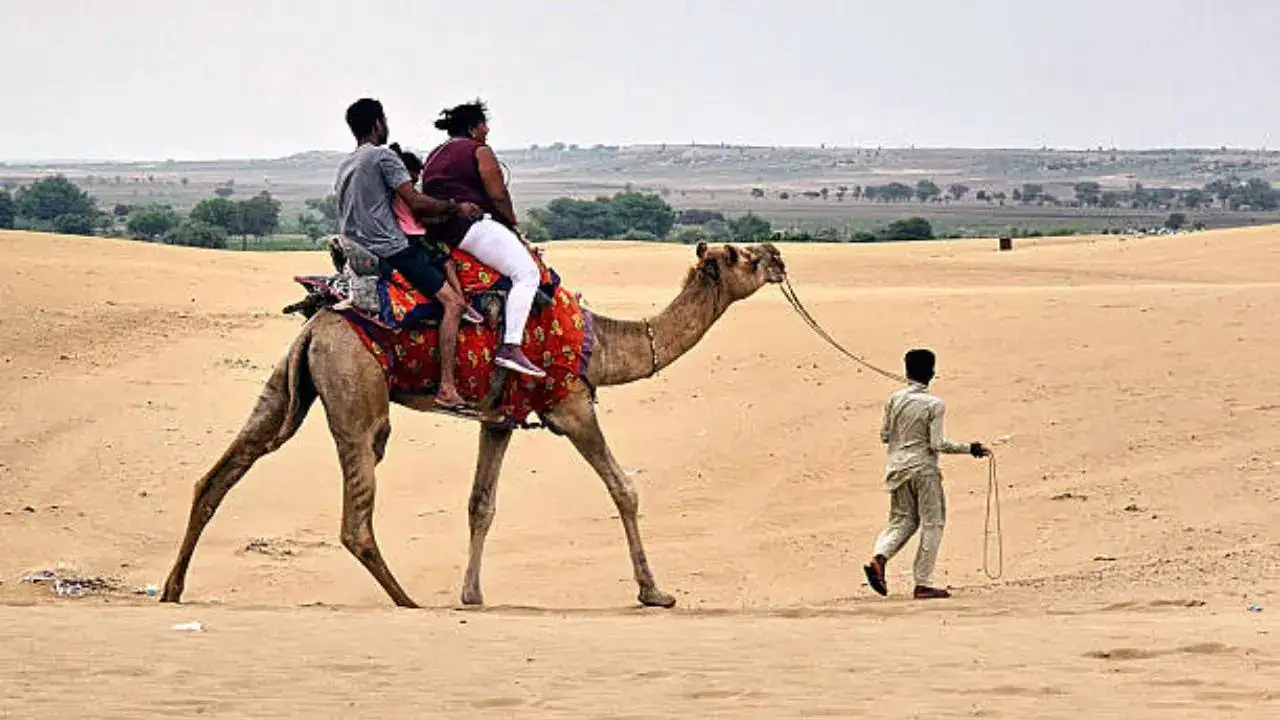
New Delhi, February 11, 2026: A significant wave of curiosity and intrigue has been triggered across digital platforms following the emergence of a viral video explaining the concept of “Camel Passports.” In the footage, which gained massive traction on February 11, 2026, it is observed that these majestic desert animals are being issued formal identification documents similar to human passports. It is noted that this initiative is being primarily implemented in regions where camels are central to cultural and economic life, such as the United Arab Emirates and Saudi Arabia. This modern interaction between traditional livestock management and digital documentation has been widely shared as a primary example of how technology is being used to preserve heritage.
The Mechanics of the Identification System
The specifics of the “Camel Passport” system and the reasons behind its creation are being meticulously discussed by agricultural experts and tech enthusiasts. It is observed in the viral reports that these documents are not merely symbolic but serve as a comprehensive record of the animal’s life. It is reported by several regional observers that each passport is linked to a microchip implanted in the camel, containing vital information such as ownership details, pedigree, and vaccination history. The visual of camels being scanned for their digital “papers” has provided a grounding narrative for the necessity of tracking these valuable animals in an increasingly regulated global environment.
Also Read: Upasana Konidela Shares Video Welcoming Twins as Chiranjeevi’s
Why Passports for Camels are Essential
A massive conversation regarding animal welfare and international trade has been ignited by this digital revelation. It is noted that the primary purpose of the passport is to facilitate the safe and legal movement of camels across borders for racing, beauty pageants, and trade. The system is being widely discussed as a crucial tool in preventing animal smuggling and controlling the spread of zoonotic diseases. Thousands of comments have been left by users who expressed their fascination, stating that such initiatives serve as a refreshing reminder of the high value placed on these “ships of the desert” and the need for their systematic protection.
Impact on the Camel Racing and Beauty Industry
The impact of this viral event has extended beyond simple novelty to influence a broader discussion on the professionalization of camel-related sports. It is frequently mentioned by industry insiders that the passport ensures transparency in the elite camel racing world by verifying the age and breed of the participants. A renewed sense of security is being observed among owners who can now prove their ownership through a globally recognized digital ledger. It is believed that the viral nature of this specific “Passport Video” will prompt a dialogue on the necessity of extending similar digital identification systems to other high-value livestock across the globe.
A Stark Reminder of Innovation in Tradition
As the footage continues to accumulate millions of views in mid-February 2026, it serves as a powerful and resilient reminder that no sector is immune to the benefits of digital transformation. It is believed that the “Camel Passport” story will remain a primary highlight of the month’s most discussed and innovative environmental and cultural news features. The legacy of this viral event is expected to be a heightened public awareness of the sophisticated infrastructure supporting traditional desert cultures. Until the system becomes a global standard, this video remains a stark testament to the fact that in the 21st century, even a camel needs its papers to travel the world.