

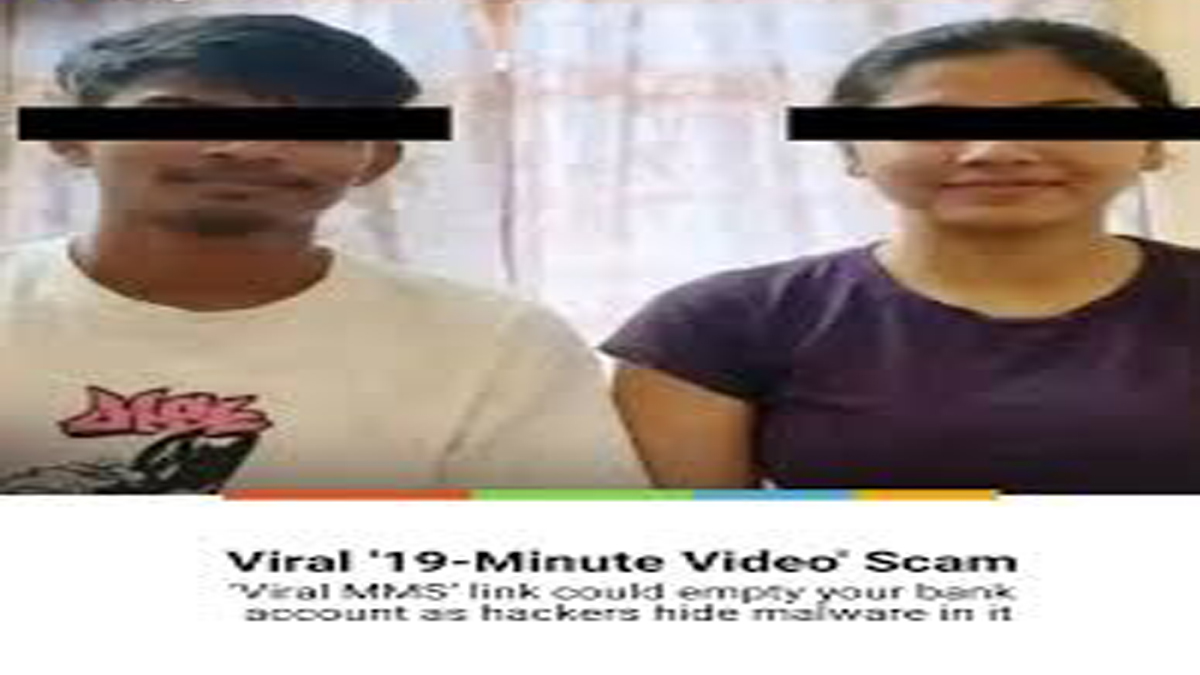
New Delhi, December 09, 2025: Social media has been captivated by the trending, yet unverified, “19-Minute Viral Video,” which allegedly contains explicit private moments of a couple. While the clip’s origins are unclear—with speculation ranging from a genuine leak to an AI-generated deepfake—the frenzy to view and share it has created a harmful and potentially illegal situation for everyone involved.
What is the Controversy?
The video, which some claim is 19 minutes and 34 seconds long, has become a major subject of online discussion. Screenshots and short clips, said to be from the full footage, quickly circulated, sparking a massive search for the original. This viral surge has led to:
- Misidentification and Harassment: Several innocent women, including social media influencers, were falsely accused of being the woman in the video. Their social media pages were flooded with abusive messages and public accusations, forcing them to issue public clarifications to defend their reputations.
- Scams and Exploitation: The high demand for the clip created a perfect environment for scammers, with fake accounts offering “links” that often lead to harmful malware or attempts to extort money from users.
- Deepfake Concerns: The controversy highlights the growing threat of deepfake technology, where realistic, explicit content can be created using Artificial Intelligence, making it difficult to distinguish real videos from faked ones.
Why Sharing the Video is Dangerous and Illegal
Despite the online curiosity, sharing or even possessing this kind of private content is a serious offense that can lead to severe legal consequences.
1. Legal Repercussions
In many jurisdictions, including India, the circulation of such content violates strict privacy and information technology laws. Sharing obscene material online can result in:
- Jail Time: Penalties can include imprisonment for up to three years for a first offense, and longer for subsequent convictions.
- Heavy Fines: Fines can range significantly, acting as a major deterrent.
- Victimization: Laws are in place to protect the individuals whose privacy has been violated. By sharing the content, a person actively participates in the victimization of the people in the video, regardless of its authenticity.
2. Psychological and Reputational Harm
The emotional toll on those falsely accused or genuinely featured in a private leak is immense. The spread of such content can cause irreparable damage to a person’s mental health, career, and personal relationships. Even when the content is a deepfake, the experience of being publicly shamed and harassed is very real.
The viral pursuit of this clip—and others like it—demonstrates the alarming speed at which unverified, damaging information can spread, reinforcing the critical need for digital empathy and responsibility. The internet remembers everything, and once a private video is shared, it is virtually impossible to fully remove.
A Call for Digital Responsibility
This controversy serves as a stark reminder: when you encounter trending, private content, your next click should be one of caution, not curiosity. Do not search for it, do not download it, and most importantly, do not share it. The only way to stop the harm is to break the chain of circulation.