

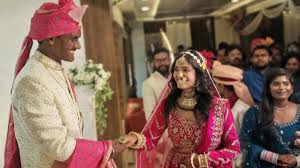
New Delhi, December 10, 2025: A heartwarming wedding video featuring an Indian couple has achieved massive viral success, but the clip was tragically marred by a wave of vicious colourism and prejudiced trolling directed primarily at the bride’s complexion. The intense negativity, which targeted the woman’s natural skin tone, sparked widespread public outrage and triggered a necessary discussion about ingrained skin colour bias within Indian society and its harsh manifestation online.
The Wedding Celebration Goes Viral
The widely circulated video captured beautiful moments from the couple’s wedding ceremony, intended to be a simple celebration of their union. The footage showcased the traditional rituals, the exchange of garlands, and the visible happiness shared between the bride and groom. Initially, the video was appreciated for its tender intimacy and aesthetic appeal, quickly attracting a large number of organic views and positive comments.
However, as the video’s reach expanded, the comment sections were increasingly hijacked by negative voices. The focus shifted entirely from the joyous occasion to the bride’s complexion, which was deemed by many trolls to be “too dark.”
Also Read: Mowgli 2025: Sandeep Raj Clarifies Emotional Post Confirms New Release Date
Vicious Colourist Attacks Are Launched
The bride became the target of sustained, aggressive trolling. Hateful comments were posted, directly criticizing her skin colour and questioning how she was “lucky enough to marry a fair-skinned man.” These unsolicited and deeply hurtful remarks were a clear demonstration of the pervasive skin colour bias—or colourism—that is deeply entrenched in Indian societal standards of beauty. The trolling focused on the bride’s appearance and the perceived imbalance in the couple’s complexions.
This cruel online behavior was immediately condemned by a majority of viewers. The incident was cited as a painful example of how deeply prejudiced beauty standards are internalized, even in contexts meant to be purely celebratory.
Public Support and Scrutiny Are Intensified
The trolling campaign was met with strong resistance from the public. Thousands of netizens rushed to the couple’s defense, forcefully calling out the trolls and highlighting the shameful nature of colourism. Numerous comments were posted celebrating the bride’s natural beauty and criticizing the societal obsession with fair skin.
The incident successfully moved the conversation beyond the singular event, serving as a powerful, unfortunate reminder of the challenges faced by women who do not conform to the narrowly defined, fair-skin ideal promoted by media and advertising. The controversy underscored the necessity of continuing to fight against such deeply rooted prejudices, especially as they are amplified in the digital sphere. The couple, despite the unsolicited negativity, was widely supported for maintaining their dignity and continuing to share their happiness online.