Home Blog Page 108

Why Thalapathy Vijay ‘Jana Nayagan’ Faces a Make-or-Break May 8

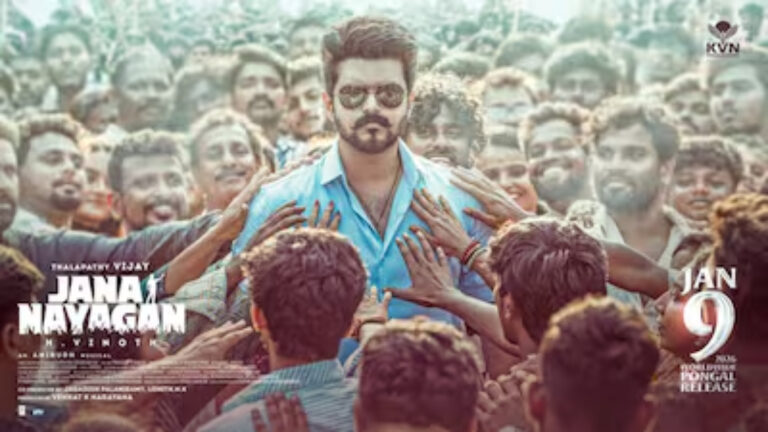
The release of Jana Nayagan was supposed to be a momentous occasion—a celebratory final curtain call for Thalapathy Vijay, one of Indian cinema’s most beloved superstars, before he fully commits to his burgeoning political career. Instead, the project has morphed into a high-stakes drama, playing out not on screen, but in the chaotic corridors of film certification offices and industry boardrooms. As the team at KVN Productions scrambles to navigate a series of unprecedented setbacks, the industry is bracing for a critical “do-or-die” moment: May 8.

For a film of this magnitude, every day is precious. However, for Jana Nayagan, the calendar has become a ticking time bomb. With the industry poised on the edge of a major disruption, the upcoming week serves as a final window of opportunity. Missing this deadline could mean the film remains shelved for months, potentially jeopardizing the massive investment and the legacy-defining momentum of its lead star.

The Certification Roadblock

The immediate hurdle, and perhaps the most baffling one, is the ongoing tussle with the Central Board of Film Certification (CBFC). In a bizarre turn of events on Monday, April 27, the screening committee—essential for granting the film its clearance—failed to appear without explanation. This non-attendance was not merely an administrative hiccup; it was a devastating blow to the producers’ tight timeline.

Without certification, the film is effectively grounded. While fans await the movie with bated breath, industry insiders confirm that KVN Productions has been left in a state of high-alert paralysis. They are prepared for a last-minute launch strategy—meaning if the clearance arrives even 48 hours before the target date, they are ready to hit the screens immediately. But that depends entirely on the bureaucracy moving at the same pace as the production team’s desperation.

The Looming Theatre Protest

The urgency of the May 8 deadline is compounded by an external threat: an industry-wide protest scheduled to paralyze the Tamil Nadu theatre circuit starting May 15. The core of this conflict is the “eight-week rule”—a mandate that requires films to maintain a two-month gap between their theatrical release and their debut on streaming platforms.

While theatre owners are fighting to protect the sanctity of the big-screen experience, producers are increasingly wary of these restrictions, viewing them as outdated in an era of rapid digital consumption. Until a compromise is reached and the necessary agreements are formalized, the theatre association has effectively declared a blockade on new releases. If Jana Nayagan fails to secure its release before this protest begins, the window to launch the film could slam shut, leaving the project in a prolonged limbo for the foreseeable future.

A Series of Unfortunate Events

To call the journey of Jana Nayagan “troubled” would be an understatement. Since its announcement, the film has faced a barrage of challenges that would typically sink a smaller project. Initially slated for a massive Pongal 2026 release, the film’s repeated delays have caused significant financial strain.

The project’s economic health took a severe hit when an OTT giant, originally set to stream the film, reportedly scrapped a ₹120 crore deal. This was compounded by a high-definition online leak that dampened early anticipation. Perhaps the most bizarre and damaging incident occurred on April 11, when a local cable TV network in Coimbatore allegedly broadcast the film illegally. These events have not only caused direct revenue loss but have also created a climate of uncertainty regarding the film’s distribution rights and overall market value.

There have also been rumblings of friction behind the scenes. Reports suggest that the producers, grappling with the mounting losses and operational nightmares, are increasingly frustrated with the lack of communication regarding these lapses. However, there is a collective acknowledgment of the “Vijay factor.” His transition to politics is an all-consuming commitment, and the production team appears to be managing the situation with the weight of his legacy in mind, balancing professional grievances with the reality of a superstar’s changing priorities.

The Stakes of a Farewell

It is impossible to discuss Jana Nayagan without acknowledging its unique place in cinema history. Directed by H. Vinoth, the film boasts a star-studded cast including Pooja Hegde, Mamitha Baiju, Bobby Deol, and Priyamani. It was envisioned as a grand finale—a tribute to decades of Vijay’s dominance at the box office.

When a star as significant as Vijay announces his departure from the screen to pursue political goals, the final film becomes more than just a piece of entertainment; it becomes a cultural event. The fans expect nothing short of a masterpiece, and the industry expects a box-office phenomenon. This heightened expectation makes every delay feel like a betrayal of the audience’s patience.

The Road Ahead

As the industry watches the clock, the team at KVN Productions remains in “standby” mode. They have alerted exhibitors and distribution networks across the state, prepared to pull the trigger on a launch the moment the CBFC gives the green light.

Whether Jana Nayagan reaches the theatres by May 8 or becomes another casualty of logistical gridlock depends on a confluence of factors: the cooperation of the certification board, the resolution of the streaming window dispute, and a fair amount of good fortune.

For now, the film remains a symbol of the fragile ecosystem of Indian cinema—a place where multimillion-dollar investments and the dreams of millions of fans can be held hostage by bureaucratic hurdles and industry infighting. As the “do-or-die” date approaches, the question is no longer just about the film’s success, but about whether the curtain will rise on Vijay’s farewell at all. For the makers, the fans, and the superstar himself, the next few days will be a defining moment in the history of Tamil cinema.
Kerala Statewide Hartal: Protests Erupt Over Death of BDS Student Nithin Raj

0

New Delhi, April 28, 2026 — A 12-hour statewide hartal is currently underway across Kerala today, Tuesday, April 28, 2026, as Dalit and Adivasi organizations intensify their protests over the death of Nithin Raj, a first-year BDS student. The protest, which began at 6:00 AM, is scheduled to conclude at 6:00 PM.

The demonstration, organized by the “Justice for Nithin Raj Action Council”—a coalition comprising over 50 Dalit and tribal welfare groups—aims to pressure the government and authorities into expediting the investigation into the young student’s death, which his family and activist groups allege was the result of severe caste-based discrimination.

The Tragedy and Allegations

Nithin Raj, a 22-year-old student at Anjarakandy Dental College in Kannur district, was found critically injured on the college campus on April 10, 2026. Despite receiving medical attention, he succumbed to his injuries.

Following his death, his family and community leaders alleged that he had been subjected to systematic mental harassment and discrimination based on his caste and complexion by faculty members. The case has sparked widespread outrage across the state, with activists arguing that the educational system is failing to protect students from marginalized communities.

Key Demands of the Action Council

The protest organizers have outlined a series of non-negotiable demands, emphasizing that the current pace of the investigation is insufficient:

  • Judicially Monitored Investigation: Protesters are calling for the case to be moved to an independent agency or be supervised directly by the judiciary to ensure impartiality.
  • Arrest of All Accused: The council demands the immediate arrest of all individuals allegedly responsible, specifically citing faculty members involved in the case.
  • Implementation of the ‘Rohith Vemula Act’: There is a renewed call for the implementation of comprehensive anti-discrimination legislation in higher education institutions to prevent future tragedies.
  • Substantial Compensation: The family is seeking ₹10 crore in compensation, citing the loss of their loved one to systemic failures.
  • Revocation of College Affiliation: Protesters are demanding that the affiliation of Anjarakandy Dental College be cancelled due to the alleged atmosphere of discrimination.

Ground Situation: Mixed Compliance

While the Action Council had initially stated that the hartal would be peaceful and that essential services would be exempted, the situation on the ground has seen varying degrees of disruption.

Although several major trade organizations, including the Kerala Vyapari Vyavasayi Ekopana Samithi (which represents traders), and the Bus Operators Association declared earlier that they would not support the shutdown and intended to operate as normal, the day has been marked by scattered incidents of unrest:

  • Road Blockades: Reports have emerged from various districts, including Thiruvananthapuram, Kottayam, and Kannur, where protesters have blocked roads, disrupted KSRTC bus services, and obstructed private vehicle movement.
  • Student Impact: The protests have inadvertently impacted students. Reports indicate that several candidates aiming to reach examination centers for entrance tests (such as for the Vellore Institute of Technology) have been stranded due to the lack of public transport in certain areas.
  • Police Intervention: In several locations, police have intervened to remove protesters and clear the roads. Minor scuffles have been reported in various towns as authorities attempt to balance the right to protest with the maintenance of public order.

Legal Status

The investigation into the case is ongoing. The police have registered a case against two faculty members—Dr. M.K. Ram and Dr. Sangeetha Nambiar—under charges of abetment of suicide and sections of the Scheduled Castes and Scheduled Tribes (Prevention of Atrocities) Act.

Legal proceedings have been contentious. A sessions court in Thalassery recently granted anticipatory bail to Dr. Sangeetha Nambiar, noting that there was insufficient evidence at this stage to justify incarceration, while the search for the prime accused, Dr. M.K. Ram, remains active. This decision has further fueled the frustration of the protesters, who view the granting of bail as a systemic failure to hold the accused accountable.

Looking Ahead

As the hartal continues through the evening, the state remains on high alert. The government faces mounting pressure to address the demands of the Dalit and Adivasi communities, whose protest has highlighted a deep-seated grievance regarding the safety and inclusion of marginalized students in Kerala’s higher education institutions.

Authorities have urged the public to exercise caution, while the Action Council continues to call for public support in their pursuit of justice for Nithin Raj.

The Irony of Luxury: Why Rihanna Cow-Feeding Moment Sparked a Global Debate

In the age of hyper-connected social media, the distance between a heartwarming celebrity gesture and an international PR firestorm is often just a single, well-timed photograph. Recently, Rihanna—global pop icon, billionaire entrepreneur, and perennial fashion trendsetter—found herself at the center of such a whirlwind during her high-profile visit to Mumbai, India. What was intended to be a wholesome cultural moment at the residence of the Ambani family quickly spiraled into a heated digital debate about irony, luxury fashion, and the ethics of animal consumption.

The Scene in Mumbai

Rihanna’s visit to India was primarily centered around the exciting launch of her beauty brand, Fenty Beauty, in the country. As one of the world’s most influential celebrities, her presence at the Ambani residence, Antilia, was a major social event. During her stay, she participated in a variety of traditional Indian rituals. Videos and photos from the event captured the star engaging in cultural activities—performing aarti (a traditional prayer ritual), dancing, and embracing the warmth of the Ambani family’s hospitality.

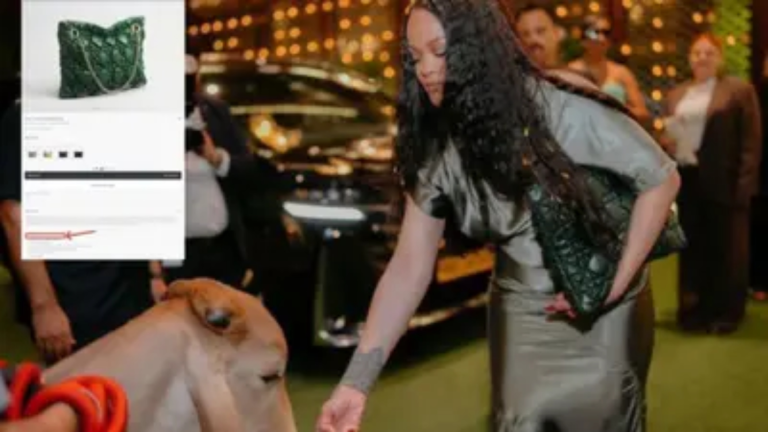
However, among these celebratory clips, one specific moment went viral for all the wrong reasons. A video showed Rihanna gently feeding a calf, a gesture that in many contexts would be seen as soft, nurturing, and respectful of local customs. But, eagle-eyed internet observers immediately shifted their focus from the act itself to the accessory Rihanna was carrying: a luxurious dark green Dior handbag.

The Spark of Controversy

The bag, a piece from the house of Dior, is an item of immense luxury, estimated to be priced at around ₹4.3 lakh (roughly $5,000 USD). The controversy erupted when social media users identified the materials of the bag, noting that it was crafted from calfskin and lined with lambskin.

The juxtaposition was stark. Here was a global superstar feeding a young cow, a symbol of life and reverence in India, while carrying an accessory made from the hide of, quite literally, a similar animal.

The backlash was swift and unforgiving. Phrases like “The height of hypocrisy” and “Irony died a thousand deaths” began to dominate the comment sections of the viral posts. Critics argued that the optics were incredibly tone-deaf. “Hope the cow does not recognize its hide,” one commenter quipped, summarizing the cynical sentiment shared by many. The incident turned into a lightning rod for broader discussions regarding the fashion industry’s reliance on exotic leathers and the disconnect between celebrities and the ethical implications of the products they endorse and wear.

The Internet Divided: Ethics vs. Excess

The incident served as a perfect microcosm of modern internet culture, where binary viewpoints collide and battle for supremacy.

On one side of the divide, the critics were firm in their stance. For them, the imagery was not just a fashion faux pas; it was an ethical contradiction. This camp argued that one cannot claim to love or respect animals—as evidenced by the act of feeding the calf—while simultaneously treating animal skin as a luxury fashion statement. To these observers, the disconnect was a glaring example of the often-unexamined privilege that accompanies extreme wealth.

On the other side of the digital fence, a passionate counter-movement emerged in defense of the singer. Supporters argued that the outrage was performative, hypocritical, and completely overblown. They pointed out that leather is a standard material in the global fashion industry, used by millions of people who also love animals. “Why are you complaining? There are plenty of people who use such products and still claim to love animals,” one defender noted.

This group felt that the criticism was an unfair “gotcha” moment. They argued that celebrities are often held to impossible, microscopic standards of behavior, where a split-second interaction can be parsed, analyzed, and condemned by millions who have never navigated the complexities of global luxury fashion firsthand.

The Cultural Lens

The controversy also highlighted a clash of cultural values. In India, the cow holds a place of profound religious and cultural significance, often treated with a level of reverence that is unique to the region. While Rihanna’s team likely viewed the act of feeding the calf as a respectful nod to her hosts’ culture, the choice of handbag inadvertently undercut that gesture for many observers.

It is a reminder that when high-profile figures travel, their actions are viewed through a localized lens. What might be considered a standard “fit” in the streets of Los Angeles or Paris—a luxury leather bag paired with a beautiful outfit—carries different weight and symbolic meaning in Mumbai. For the Ambani family, who are known for their spectacular hospitality, the event was a celebration; for the internet, it became a stage for a philosophical debate on animal welfare and capitalist excess.

The Larger Conversation

Beyond the immediate “Rihanna vs. the Internet” narrative, this incident touches on a larger, ongoing shift in the public consciousness regarding luxury fashion. In recent years, there has been a growing demand for transparency and sustainability in the fashion world. More luxury houses are moving away from fur, and there is a rising conversation about the use of exotic skins.

Celebrities, as the primary face of these luxury conglomerates, inevitably find themselves at the front lines of this movement. When they carry a bag, they are not just carrying a purse; they are carrying the branding and the values of the house that made it. In this case, the Dior bag became a proxy for the entire industry’s relationship with animal products.

Conclusion: The Cycle of Celebrity Optics

As the dust settles on this viral moment, it serves as a fascinating study in modern celebrity optics. Rihanna, as always, has navigated these waters before. She is no stranger to public discourse or the pressures of being an icon under a microscope.

Ultimately, the “cow-feeding row” will likely fade as the next celebrity headline takes its place. However, the event leaves behind a lingering question for the fashion industry and its consumers: As our societal values around animal rights and ethical consumption continue to evolve, can the traditional luxury model—which relies heavily on leather and skins—survive the scrutiny of an increasingly conscious and critical global audience?

Perhaps the most significant takeaway from this viral saga isn’t about Rihanna, or even the bag itself. It is about the power of the audience to demand accountability, however imperfectly, in a world where every celebrity gesture is now open for public debate. For now, the internet remains divided—but the conversation about what we wear, and what it says about us, is only just beginning.

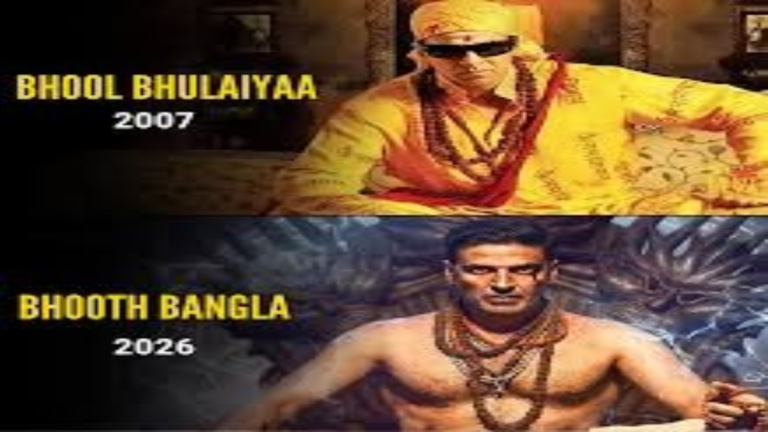
Bhooth Bangla Eyes Bhool Bhulaiyaa’s Milestone: 57 Crores to Go

New Delhi, April 28, 2026: The return of the iconic director-actor duo, Priyadarshan and Akshay Kumar, has reignited the magic of the horror-comedy genre at the Indian box office. With Bhooth Bangla currently drawing massive crowds, fans and trade analysts alike are drawing parallels to the film that arguably defined the genre for the last two decades: the 2007 cult classic, Bhool Bhulaiyaa. As Bhooth Bangla continues its strong theatrical run, it finds itself closing in on a significant numerical milestone, standing just 57 crore away from matching the lifetime legacy of the 2007 blockbuster.

A Reunion Fueled by Nostalgia

Released on April 17, 2026, Bhooth Bangla was one of the most anticipated films of the year, marking the return of the Akshay Kumar-Priyadarshan pairing after a hiatus of nearly 16 years. Their previous collaborations—including Hera Pheri, Bhagam Bhag, and the legendary Bhool Bhulaiyaa—created a blueprint for comedy that has been hard to replicate.

In Bhooth Bangla, the team has successfully tapped into the same blend of supernatural intrigue and slapstick humor. The film’s opening was robust, crossing the ₹100 crore mark globally in just five days, proving that the audience’s appetite for this specific brand of “Priyadarshan-style” entertainment remains undiminished.

The Box Office Math: Bridging the Gap

The comparison between Bhooth Bangla and Bhool Bhulaiyaa is as much about cinema culture as it is about hard numbers. When Bhool Bhulaiyaa was released in 2007, it changed the landscape for horror-comedies in India. While inflation and the expansion of the cinema market mean that Bhooth Bangla is operating on a different scale of ticket pricing and screen counts, the milestone of matching the original’s lifetime box office collection remains a symbolic “passing of the torch.”

As of late April 2026, Bhooth Bangla has firmly established itself in the ₹100 crore club (net, domestic). With reports suggesting a steady hold at the box office and positive word-of-mouth driving footfalls into its second and third weeks, trade experts believe the film is well-positioned to hit the next major benchmark. The target—a total gross that aligns with the lifetime earnings of Bhool Bhulaiyaa—requires a final push of approximately ₹57 crore.

Why This Comparison Matters

For fans, this isn’t just about revenue; it’s about validation.

  • Genre Authenticity: While modern horror-comedies often lean heavily into CGI-heavy spectacle, Bhooth Bangla is being praised for returning to the “old school” charm of character-driven comedy, where the humor is rooted in the eccentricities of the cast rather than just jump scares.
  • The Akshay Factor: After a series of varied experiments in different genres, Bhooth Bangla proves that Akshay Kumar remains the undisputed king of the comedy-horror crossover. By revisiting the tone that made him a superstar in the mid-2000s, the actor has managed to reconnect with his core family audience.

The Road Ahead

While the film faced early competition from other major releases like Dhurandhar 2, it has shown remarkable resilience. The “57-crore gap” is not just a figure; it is a test of the film’s longevity. If Bhooth Bangla maintains its current momentum through the coming weeks, it won’t just be a successful film—it will cement itself as a spiritual successor to the Bhool Bhulaiyaa legacy.

For a generation of viewers who grew up watching the original Bhool Bhulaiyaa on repeat, seeing Akshay Kumar and Priyadarshan reclaim that magic is a victory in itself. Whether or not it eventually edges past the 2007 classic in absolute terms is secondary to the fact that the “Bhooth Bangla” brand has successfully carved out its own space in the horror-comedy universe.

As the film continues to track well across major territories—from Mumbai to Delhi-UP—the industry is watching closely. Can the Bhooth Bangla team close that 57-crore gap and officially enter the pantheon of Akshay Kumar’s highest-grossing classics? If the current trends are any indication, the answer is a resounding “yes.”

The Legend Returns: Freelander 8 Debuts

0

The automotive world is witnessing the return of an iconic nameplate, though perhaps not in the form purists might have expected. The Freelander brand has officially returned to the spotlight, not as a direct Land Rover model, but as a standalone brand born from a strategic joint venture between Jaguar Land Rover (JLR) and Chinese automaker Chery. The first fruit of this collaboration, the Freelander 8, has made its live debut, signaling a bold new direction for a nameplate that defined a generation of mid-sized SUVs from 1997 to 2014.

A New Era, A New Identity

The Freelander 8 is the production-intent evolution of the “Concept 97” revealed earlier this year in Shanghai. Its name—’97’—is a deliberate nod to the original Freelander’s launch year, bridging the gap between its historical heritage and its future-focused identity.

Operating independently from both the JLR portfolio (which houses Range Rover, Defender, and Discovery) and Chery’s existing brands (like Jaecoo and Omoda), Freelander is being positioned as a premium, technology-first SUV line. This isn’t merely a nostalgic reboot; it is a clean-sheet repositioning of the badge for the electric vehicle era.

Commanding Presence: Design and Dimensions

The Freelander 8 immediately makes an impression with its scale and stance. Measuring an impressive 5.1 meters in length, the vehicle moves firmly into the full-size SUV territory, far exceeding the dimensions of its predecessors. The design philosophy is centered on what the company describes as a “castle body” theme—a combination of a solid, robust lower structure and a refined, airy upper cabin.

Visually, the SUV retains a boxy, functional aesthetic that pays homage to the original Freelander, particularly through its signature rear-quarter window treatment. However, the execution is decidedly modern. The front fascia features an upright, confident appearance, equipped with distinctive lighting elements and bumper-mounted square air vents. The profile is marked by flared wheel arches, thick body cladding, and a high shoulder line that emphasizes its off-road-ready credentials.

Performance and Powertrain Flexibility

Under the skin, the Freelander 8 is engineered for versatility. It sits on a highly adaptable architecture that supports a wide range of electrified powertrains, including Battery Electric (BEV), Plug-in Hybrid (PHEV), and range-extender hybrid configurations.

The technical foundation is a state-of-the-art 800-volt electrical system, which enables rapid charging capabilities. For the BEV variant, the platform is designed to support DC fast charging of up to 350 kW, ensuring that long-distance travel remains practical. The vehicle also incorporates an intelligent all-terrain system (i-ATS), which utilizes air suspension and an electronic rear limited-slip differential to navigate everything from urban streets to rugged trails. This commitment to all-terrain capability is a direct carry-over from the brand’s Land Rover DNA, ensuring that the Freelander remains “at home” in the wild.

Cabin Innovation and Connectivity

Inside, the focus shifts to digital integration and passenger comfort. While the interior layout prioritizes a clutter-free environment, it is dominated by a dashboard-spanning Mini LED display. This interface merges navigation, entertainment, and vehicle status into a unified visual experience.

Safety and convenience are managed through an advanced driver assistance system (ADAS) developed in collaboration with technology partners, including Huawei. A roof-mounted LiDAR unit suggests a high level of autonomous driving capability. Passengers, meanwhile, are treated to elevated seating positions in the front and second-row “zero-gravity” seats, designed to minimize fatigue during long journeys. The initial configuration is expected to be a six-seater, prioritizing space and flexibility.

Market Strategy and The Road Ahead

The Freelander 8 is slated to hit showrooms in China in the second half of 2026, marking the start of a phased global rollout. The JLR-Chery partnership has confirmed an aggressive expansion plan: the Freelander brand will launch six new production models over the next five years, all of which will be SUVs.

By separating Freelander from the core JLR brand, the joint venture allows for a more focused approach to the competitive, tech-heavy SUV market, leveraging Chery’s manufacturing efficiency alongside JLR’s design and luxury engineering expertise. While it may not bear the traditional Land Rover badge, the Freelander 8 is clearly designed to evoke the spirit of adventure that made the original a household name, now powered by the latest in electrified innovation.

As production ramps up at the Changshu facility, the automotive industry will be watching closely to see if this “new-old” brand can carve out a successful niche in an increasingly crowded global SUV landscape.

Inquiry Clears Jauhar College of Tree-Cutting Allegations

0

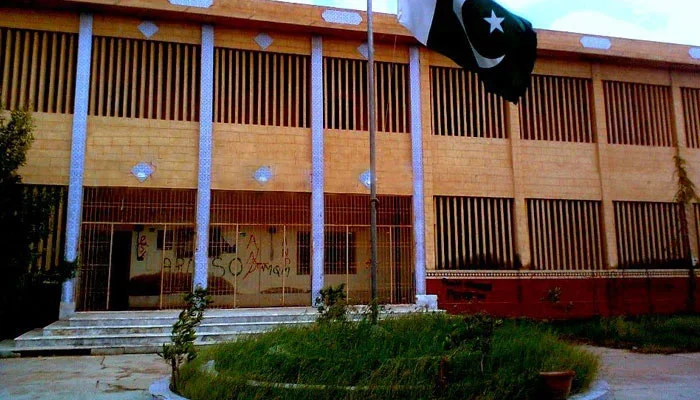
New Delhi, April 28, 2026: A cloud of controversy surrounding the Government Degree Boys College in Gulistan-e-Jauhar, Karachi, has been cleared today, April 28, 2026. Following an intense social media storm triggered by a viral video, an official inquiry committee has concluded that no trees were illegally felled on the college campus. The footage, which claimed to show the destruction of green cover, has been officially termed as “false, baseless, and misleading” by the investigating team.

The probe was initiated on April 20, 2026, after the video sparked public outcry and environmental concerns online. A dedicated committee conducted a physical inspection of the site on April 21, comparing the visual evidence in the video with the actual ground reality. It was discovered that the area in question was merely being cleared of dense wild bushes and hazardous grass as part of routine campus maintenance, with no evidence of tree stumps or fresh felling found.

Personal Enmity Unveiled: The Source of the Viral Clip

The investigation has revealed a deeper, more personal motive behind the digital misinformation. During the recording of statements, it emerged that the video was captured and circulated by a senior clerk, Aijaz Bhutto. It is reported that the official admitted to the committee that the clip was prepared and shared due to personal differences with the college principal. The act has been unanimously condemned by the teaching and non-teaching staff as a defamatory attempt to tarnish the institution’s reputation.

The impact of the video had initially led to a wave of negative sentiment against the college administration. However, the inquiry committee noted that the principal had only issued instructions for the clearing of hazardous vegetation to ensure student safety, not for the removal of trees. The committee’s report emphasizes that the “mechanical necessity” of maintaining the campus grounds was twisted into a narrative of environmental crime for the sake of a personal vendetta.

Also Read: German Tourist Dies After Cobra Bite in Egypt Resort Incident

Legal Repercussions: FIA and Disciplinary Action

Following the findings of the inquiry, strict disciplinary proceedings have been recommended against the official responsible under the Sindh Civil Servants Rules, 1973. It is also reported that the matter may be referred to the Federal Investigation Agency (FIA) Cyber Crime Wing. This move is intended to address the spread of misleading content under the Prevention of Electronic Crimes Act, 2016, serving as a warning to those who use social media platforms for malicious misinformation.

As of the morning of April 28, 2026, the college has been advised to improve its internal communication and monitoring mechanisms to prevent such incidents in the future. While the viral video has been debunked, the digital record of the inquiry stands as a reminder of the importance of fact-checking before reacting to online “outrage.” The story serves as a cautionary tale: in the age of viral media, the truth often requires a deeper look beneath the surface of a trending clip.

German Tourist Dies After Cobra Bite in Egypt Resort Incident

0

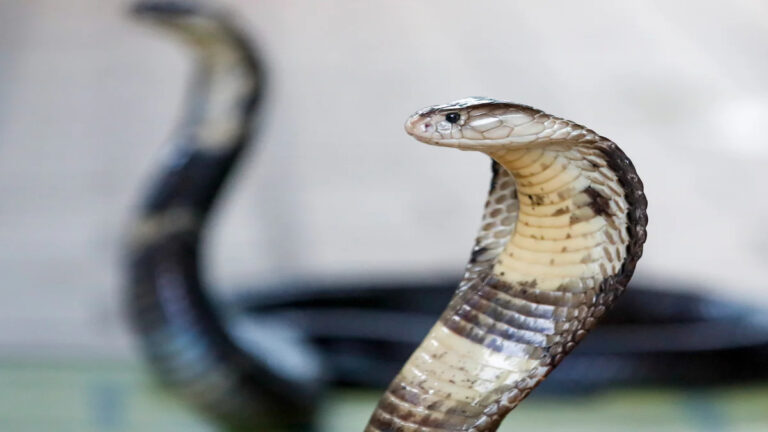
New Delhi, April 28, 2026 – A tragic incident in the Egyptian resort town of Hurghada has resulted in the death of a 57-year-old German tourist, authorities confirmed this week. The man, who was on a family holiday, died after being bitten by a snake—believed to be a cobra—during a “snake charming” performance at a local hotel.

The event has sent shockwaves through the travel community and raised serious questions regarding the safety standards of live animal entertainment in tourist destinations.

The Incident: What Happened

According to reports from German police in the Bavaria region, the victim was attending an entertainment show at his hotel in Hurghada early in April. The performance involved a handler presenting two snakes, which were reportedly draped over the necks of various audience members.

In a move that proved fatal, the handler allowed one of the snakes to crawl into the tourist’s trousers. The reptile subsequently bit the man in the leg. Almost immediately, the victim exhibited “clear signs of poisoning” (envenomation).

Witnesses and emergency responders attempted to resuscitate the man at the scene before rushing him to a local hospital. Despite the intervention, the severity of the venomous bite proved too much, and the man passed away shortly after admission.

Ongoing Investigation

While the incident took place in Egypt, the death has sparked a cross-border investigation. Police and prosecutors in the Unterallgäu district of Bavaria, where the victim resided, are currently looking into the circumstances surrounding his death. They are coordinating with Egyptian counterparts and are awaiting the results of toxicology tests to confirm the nature of the venom and the cause of death.

When approached for comment by international news agencies, Egyptian authorities noted that they were not initially aware of the specific incident, suggesting a potential delay or breakdown in reporting protocols between the hotel management and local officials.

Understanding the Risks of “Snake Charming”

This tragedy serves as a harrowing reminder that wild animals, particularly venomous species like cobras, are inherently unpredictable. What is often marketed as a cultural performance or “snake charming” is, in reality, a high-stakes encounter with dangerous wildlife.

The Myth of the “Charmer”

Snake charming is a historical practice, but the science behind it is widely misunderstood.

  • No Hypnosis: Contrary to popular belief, snakes do not “dance” to music. They lack the ears to hear the pitch of the pungi (the flute-like instrument used). Instead, they respond to the movement and vibrations of the instrument, treating it as a perceived threat.
  • Defensive Reactions: A snake’s upright posture and “dance” are strictly defensive behaviors. When a handler moves the instrument, the snake is tracking the movement because it is stressed and prepared to strike.

The “Safety” Fallacy

Many tourist performances claim to be safe, sometimes utilizing methods that are unethical and unreliable:

  • Venomoid Surgery: In some instances, handlers may surgically remove venom glands or fangs. However, these procedures are often performed under unsterile conditions, leading to infection. Furthermore, these methods are not always permanent; venom glands can regrow or regenerate, and fangs often regrow within weeks.
  • Drug Usage: Some animals are kept in states of lethargy through dehydration, starvation, or drug administration to make them appear docile. This is animal abuse and does not guarantee that the snake will not bite if sufficiently threatened.
  • The “Trick” is the Danger: Placing a venomous snake inside a person’s clothing removes any distance buffer. A snake feels threatened when it is confined or restricted—putting a cobra in a trouser leg is a recipe for a defensive strike.

A Serious Caution for Travelers

Travelers often seek unique, local experiences, but this incident underscores the vital importance of exercising caution when animal interaction is involved.

1. Avoid Unregulated Animal Encounters

If an attraction involves handling wild, potentially venomous animals (snakes, scorpions, spiders), the best advice is to opt out. Regardless of how calm an animal appears, the biological instincts of the creature are beyond the control of a “charmer.”

2. Prioritize Ethical Tourism

Reputable wildlife tourism operators adhere to strict safety guidelines and animal welfare standards. If an experience feels exploitative, dangerous, or centers on an animal being forced into unnatural behavior, it is a significant red flag. Avoid venues that treat wild animals as props for photo opportunities.

3. Know Your Surroundings

In popular tourist destinations, entertainment standards can vary significantly between venues. Before participating in any show involving animals, ask yourself:

  • Is this a licensed, professional zoological facility?
  • Is the animal acting naturally, or is it being forced to perform tricks?
  • What are the emergency protocols if something goes wrong?

Conclusion

The death of this German tourist is a heartbreaking reminder that a holiday excursion should never cost a life. While investigations continue to determine the exact sequence of events, this tragedy should serve as a stark warning to travelers worldwide: when it comes to venomous wildlife, there is no such thing as a “tame” performance. The safest distance between a tourist and a cobra is always a wide one.

Viral Tour of New “MLA Quarters” Sparks Taxpayer Outrage

0

New Delhi, April 28, 2026: A wave of intense public indignation has been ignited across social media today, April 28, 2026, following the viral release of a video showcasing high-end residential apartments for lawmakers in Gandhinagar, Gujarat. The footage, which has been widely circulated on X and Instagram, provides a detailed tour of a sprawling 3BHK flat reportedly designated for Members of the Legislative Assembly (MLAs). The “truth” behind the digital tour reveals that these luxury accommodations are allegedly provided at a staggering monthly rent of just ₹37.50, a figure that has left common taxpayers in a state of disbelief.

The interaction was observed to have been initiated by a post on X, where the spacious and luxurious nature of the newly built quarters was highlighted. In the viral clips, the viewer is taken through large halls, meeting rooms, and modern open kitchens equipped with premium appliances. It is reported that while a similar property in the private market would command an exorbitant price, the heavily subsidized rate for elected officials remains lower than the cost of a basic meal.

Premium Perks: Free AC and High-End Amenities

The reaction from the digital community has been one of fierce condemnation and a demand for fiscal accountability. It is argued by many social media users that the inclusion of free electricity, three split air conditioners, a 43-inch television, and a refrigerator—all at near-zero cost to the occupant—is a “slap in the face” to the middle class. On various financial forums, the footage has sparked a debate comparing these perks to the modest living conditions of national heroes, such as ISRO scientists, who often work under far simpler circumstances.

The impact of the video has also led to a broader scrutiny of the disconnect between political elites and the everyday struggles of citizens facing high inflation. It is noted by commentators that the “MLA Quarters” in question features amenities such as a private balcony and access to a swimming pool, all maintained at the taxpayer’s expense. The passive role of the government—which continues to uphold decades-old rent structures for official housing—has been identified as a critical point of friction in an economy where ordinary people struggle with soaring utility bills.

Also Read: Gauri Spratt and Son Make Rare Public Appearance with Aamir Khan

Defending the System: The Argument for Lawmaker Comfort

Following the viral success of the “Subsidized Luxury” clip, some supporters of the system have stepped forward to offer a different perspective. It is reported that defenders of the perks argue that the profession of an MLA is demanding, requiring them to host hundreds of visitors daily and travel constantly for public work. It is argued that proper housing is a mechanical necessity to help lawmakers serve the public effectively during their temporary term in office.

As of the afternoon of April 28, 2026, the story remains a top trending topic as the public continues to question the balance between official comfort and fairness to taxpayers. While the flats remain a symbol of prestige for those in power, the digital record of the ₹37.50 rent has become a permanent catalyst for a conversation on how public money is truly being spent. The story stands as a digital reminder: transparency provided by social media is increasingly forcing a dialogue on the privilege of those who represent the people.

Diljit Dosanjh Returns to ‘The Tonight Show’ in Style: A Global Bhangra Celebration

New Delhi, April 28, 2026: The stage at The Tonight Show Starring Jimmy Fallon felt a little more like Punjab this week as global icon Diljit Dosanjh made a triumphant return to the iconic late-night talk show. Two years after his history-making debut in 2024, the singer-actor has once again captivated international audiences, turning the studio into a vibrant, high-energy Bhangra party that has left fans buzzing across social media. +1

A Triumphant Comeback

While his 2024 appearance introduced many American viewers to the sheer magnitude of Diljit’s stardom, his return on April 28, 2026, felt like a victory lap. This time, Diljit wasn’t just there to perform; he sat down for an engaging interview, bridging the gap between his Punjabi roots and a massive global audience. +1

The excitement began building before the episode even aired. Diljit shared a playful teaser on his Instagram account showing his team opening the studio door with the cheeky remark, “Kya lagta tha nahi lautenge?” (Did you think we wouldn’t come back?). He followed it up with his signature confidence: “Kaha tha na ke ek baar Punjabi aa jayein toh chethi nahi jaate—Jimmy Fallon aa gaye oye!” (We told you, once a Punjabi shows up, they don’t leave in a hurry—we are here at Jimmy Fallon!).

From ‘G.O.A.T.’ to ‘Morni’

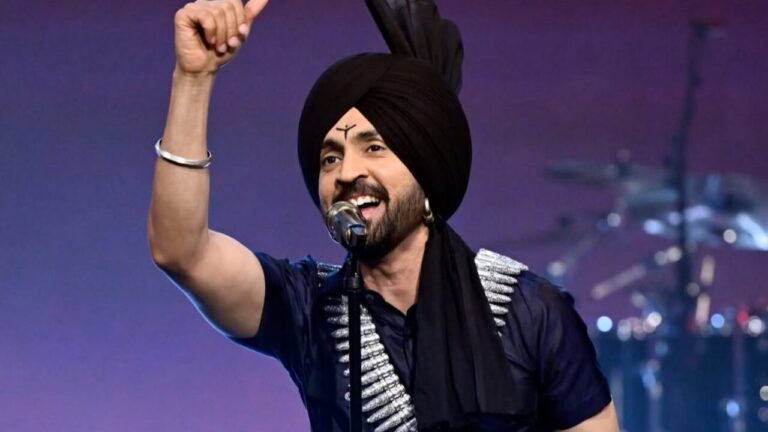
Diljit’s musical prowess was on full display as he performed his latest track, “Morni,” bringing the infectious beats of his new album, Aura, to the Tonight Show stage. Clad in a striking black turban and a dhoti-kurta adorned with intricate details, his performance was a masterclass in stage presence.

He didn’t just sing; he commanded the room. Backed by his band—including drummer Rahul Hariharan and keyboardist Clinton Charles—and accompanied by dancers, the performance was a seamless blend of traditional Punjabi energy and modern production, proving once again why he is hailed as the “biggest Punjabi artist on the planet.”

The Bhangra Crash Course

Perhaps the most viral moment of the evening—and one that delighted fans globally—was the “Bhangra 101” session Diljit gave the host. Jimmy Fallon, known for his enthusiastic participation in such segments, was game to learn.

In a clip that has already garnered millions of views, Diljit patiently taught the late-night host some foundational Bhangra steps. The interaction was pure, unfiltered joy. As they danced together, the contrast between the polished talk-show host and the charismatic Punjabi star provided a heartwarming, comedic highlight. +2

During their chat, Diljit even offered a bit of wisdom about the dance form, joking, “You can do Bhangra on any beat. On the generator too!”—a nod to the dance’s deep roots in Punjabi culture, where celebration is rarely dependent on the rhythm.

Discussing the ‘Aura’

Beyond the dance and the music, the appearance served as a significant platform for Diljit to discuss his latest creative milestone: his 15th studio album, Aura.

Released in late 2025, Aura has already made waves, helping Diljit become the first Punjabi artist to secure four charting albums on the Canadian Albums chart. During his conversation with Fallon, Diljit touched upon his ongoing “Aura World Tour,” which had just kicked off with a massive, sold-out show at B.C. Place in Vancouver, drawing a crowd of 55,000.

He also took a moment to reflect on the meaning behind his viral catchphrases, like “Punjabi aa gaye oye.” For Diljit, these aren’t just slogans; they are markers of representation. He explained that by standing on these international stages, he is paving a path for the next generation, ensuring that future artists know that they, too, belong on global platforms.

A Busy Year Ahead

Diljit’s appearance on The Tonight Show is just one highlight in an incredibly productive 2026. Following the massive success of Border 2, where he portrayed Flying Officer Nirmal Jit Singh Sekhon, the star is gearing up for his next big cinematic venture.

Fans can look forward to seeing him in Imtiaz Ali’s upcoming romantic drama, Main Vaapas Aaunga, which is set against the backdrop of the 1947 Partition. The film, which also stars Naseeruddin Shah, Sharvari Wagh, and Vedang Raina, is slated for release on June 12, 2026, marking another exciting collaboration following his critically acclaimed performance in Amar Singh Chamkila.

A Moment of Unity

As the credits rolled, it was clear that Diljit Dosanjh had achieved more than just a successful TV appearance. He had managed to export the warmth, culture, and irrepressible spirit of Punjab to millions of living rooms around the world. With a handwritten thank-you note from Jimmy Fallon and the resounding applause of a live studio audience, Diljit Dosanjh has cemented his status not just as a musician, but as a bridge between cultures—one Bhangra step at a time.

Gauri Spratt and Son Make Rare Public Appearance with Aamir Khan

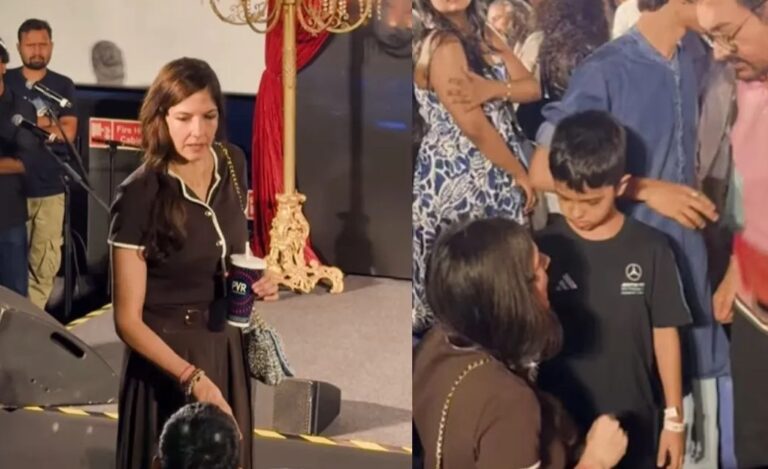
New Delhi, April 28, 2026: A heartwarming and rare family moment has been captured at the special premiere of the upcoming film Ek Din in Mumbai. Bollywood superstar Aamir Khan was observed attending the event not just as a proud father but alongside his girlfriend, Gauri Spratt, and her young son. The “truth” behind the viral video highlights an evolving family dynamic, as this marks the very first time Gauri’s seven-year-old son has been spotted in a public setting with the actor, signaling a deep sense of commitment and togetherness.

The interaction was observed on the red carpet, where the group arrived to support Junaid Khan’s debut venture. In the viral clips, which have amassed millions of views on Instagram and X today, April 28, 2026, Aamir is seen walking comfortably with his youngest son, Azad Rao Khan, while Gauri walked closely with her son. It is reported by those at the venue that the two young boys appeared to share a friendly bond, further cementing the idea that the two families have successfully blended into one cohesive unit.

A 25-Year Journey: From Old Friends to Life Partners

The reaction from the digital community has been one of genuine warmth and curiosity regarding the couple’s history. It is argued by many fans that Aamir’s decision to introduce Gauri’s son to the media reflects a “mature and modern” approach to relationships in the spotlight. On various entertainment forums, the footage has been described as a “refreshing change,” especially given that Gauri, a fashion stylist and photographer of half-Irish and half-Tamilian descent, has largely kept her personal life and her child away from the paparazzi until now.

The impact of the video has also brought back focus to Aamir’s 60th birthday last year, where his relationship with Gauri was first officially introduced. It is noted by commentators that the couple has known each other for over 25 years but only reconnected recently through family friends. The passive role of the media—which had been speculating about their status for months—was finally met with a clear visual confirmation of their domestic happiness, as the couple has reportedly already begun the process of moving in together.

Also Read: Deepika and Ranveer’s First Sighting After Pregnancy News

Support for Junaid: The Premiere of ‘Ek Din’

Following the viral success of the family appearance, the focus has also remained on the film Ek Din, which stars Aamir’s son Junaid Khan and actress Sai Pallavi. It is reported that the film, a remake of the Thai hit One Day, is set for a worldwide release on May 1, 2026. Aamir was seen getting emotional during the screening, praising his son’s hard work while seated next to Gauri. The video remains a top trending topic as of this morning, serving as a powerful visual testament to the actor’s focus on family during this new chapter of his life.

As of the afternoon of April 28, 2026, the story continues to dominate the entertainment headlines, with many praising the “simplicity and grace” of the entire group. While Aamir has stated in interviews that he is “already married to Gauri in his heart,” this public outing with her son is seen as the ultimate stamp of approval on their partnership. For now, the story stands as a digital reminder: in the complex world of celebrity, the most meaningful milestones are often the ones shared with the people who matter most.